
- Home/
- Buy Effexor Online in the United States Safely and Conveniently
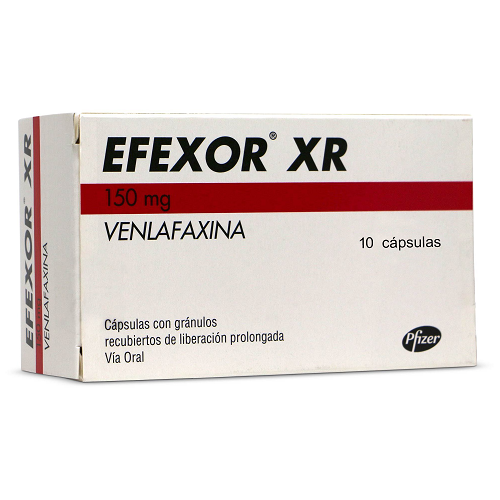
| Trade name | Effexor |
|---|---|
| Main compound | Venlafaxine |
| Target condition | Major depressive disorder and related depressive states |
| Format and strengths | Tablets and extended-release capsules: 37.5 mg, 75 mg, 150 mg |
| How soon effects are felt | Initial improvement may be seen within 1–2 weeks; full effect typically at 4–6 weeks |
| How long each dose acts | Approximately 24 hours for extended-release |
| Daily schedule | Once or twice daily depending on formulation |
| Prescription rules in United States | Legal, prescription only (FDA approved) |
| Typical price range | $20–$120/month (varies by dose, pharmacy, insurance) |
Effexor: Practical Guidance for Depression Treatment in United States
Effexor is a widely prescribed antidepressant containing the active substance venlafaxine, used to manage major depressive disorder and related conditions. It is available by prescription from healthcare providers in the United States, with several dosing options and forms depending on individual needs. Understanding how Effexor works and whether it fits your circumstances can help you make an informed decision about starting or continuing treatment.
How Common—and Treatable—is Depression in the United States?
Depression is among the most prevalent mental health conditions in the United States, affecting millions and crossing all age, gender, and socioeconomic groups. According to the National Institute of Mental Health (NIMH), 21 million adults in the U.S. experienced at least one major depressive episode in 2021. This accounts for approximately 8.3% of the adult population. These numbers show that depression is far from rare—and, critically, that it responds to evidence-based treatments such as antidepressant medications and psychotherapy. The FDA, as the national regulator, has approved several medications for depression, including venlafaxine, based on their demonstrated efficacy in controlled studies.
How Effexor Addresses Depression: Mechanism and Expected Outcomes
Effexor (venlafaxine) is a type of antidepressant known as a serotonin-norepinephrine reuptake inhibitor (SNRI). In simple terms, this means Effexor increases the levels of two important chemical messengers—serotonin and norepinephrine—in the brain. By preventing nerve cells from reabsorbing (or “reuptaking”) these neurotransmitters, Effexor allows them to remain active longer. This effect is believed to restore balance in mood-regulating pathways that are disrupted during depression.
- Practical consequence: Patients often notice improved energy, better sleep, and a brighter mood, though the full benefits can take several weeks to develop. In clinical trials, patients on venlafaxine were more likely to achieve meaningful relief from depressive symptoms than those on placebo (source: FDA approval dossier, 1993).
- Two-phase effect: Some physical symptoms (like sleep and appetite) may begin improving within 1–2 weeks. Emotional symptoms—such as persistent sadness or disinterest—often follow by week 4 to 6.
- Not instant: The delay in effect is not unique to Effexor but is typical for most antidepressant medications.
For many, this means patience is required: the body gradually adapts and mood improvements build over time. If you do not notice any change after 4–6 weeks, a conversation with your healthcare provider is warranted to discuss next steps.
Is Effexor Right for You? Matching Situations to Solutions
| Your situation | Effexor fit? | Reason |
|---|---|---|
| You have moderate to severe depression and have not responded to SSRIs (such as sertraline or fluoxetine) | Yes—often considered | Effexor’s dual action (serotonin and norepinephrine) offers a different mechanism that may succeed where SSRIs alone do not |
| You are struggling with both depression and symptoms of generalized anxiety | Yes—possible benefit | Effexor is approved for both depression and anxiety, and clinical experience supports its use for co-occurring conditions (consult your provider for combined treatment plans) |
| You have a history of uncontrolled high blood pressure | Usually not recommended | Effexor can raise blood pressure, especially at higher doses, making it less suitable for those with unstable hypertension |
| Previous antidepressants caused excessive sleepiness or weight gain | Potentially beneficial | Effexor tends to have a more activating profile and is less likely to cause weight gain compared to some alternatives |
| You are pregnant or breastfeeding | Use only after risk-benefit discussion | Venlafaxine may be used if clearly needed, but safety data is more limited—decision must be individualized with clinical guidance |
These scenarios are not exhaustive but reflect real-world considerations. For those with complex medical histories, a personalized psychiatric consultation is recommended before starting Effexor or any antidepressant.
Using Effexor in Real Life: What to Expect and How to Handle Common Situations
- How to take: Effexor should be taken with food, ideally at the same time each day. Extended-release forms are usually taken once daily, while immediate-release may be split into two doses.
- Missed dose: If you miss a dose, take it as soon as you remember unless it is close to your next scheduled dose. Do not double up to make up for a missed capsule. Skipping doses can cause withdrawal-like symptoms (such as dizziness or irritability).
- If you notice no improvement after 6 weeks: Contact your provider. Dose adjustment or a change in medication may be necessary—do not stop suddenly on your own.
- Common side effects at the start: Some people experience nausea, increased sweating, or mild headaches in the first days; these often decrease with time.
- Stopping Effexor: Never discontinue abruptly. Rapid stopping can result in uncomfortable withdrawal symptoms. A gradual reduction under medical supervision is essential.
- Alcohol and Effexor: Drinking alcohol while on Effexor is not recommended, as it can worsen drowsiness and interfere with treatment outcomes.
Real-life use is rarely perfectly smooth—side effects and missed doses are common. The most important step is to communicate regularly with your provider about any issues that arise.
Contraindications: Who Should Not Take Effexor?
- Monoamine oxidase inhibitor (MAOI) use: Effexor must not be taken at the same time as MAOIs (such as phenelzine or tranylcypromine), or within 14 days of stopping one, due to the risk of dangerously high serotonin levels (serotonin syndrome).
- Uncontrolled hypertension: Individuals with poorly managed high blood pressure should avoid Effexor, as it can increase blood pressure and risk of cardiovascular events.
- Severe liver or kidney impairment: Effexor is processed by the liver and excreted via the kidneys. Severe dysfunction in either organ increases the risk of drug accumulation and adverse effects.
- Known allergy to venlafaxine or its components: Allergic reactions can be serious and require immediate medical attention.
Other situations may require caution, such as pregnancy or certain heart conditions. A thorough evaluation by a doctor, such as a psychiatrist or primary care provider, is necessary before starting Effexor.
Common and Serious Side Effects: What to Expect, When to Seek Help
| Frequency | Side effect | What to do |
|---|---|---|
| Common (10–30%) | Nausea, headache, dry mouth, sweating, dizziness | Usually mild; often resolve with time. Contact your doctor if persistent or bothersome. |
| Less common (1–10%) | Elevated blood pressure, insomnia, sexual dysfunction | Monitor regularly. Adjustments may be needed if these persist. |
| Rare (<1%) | Serotonin syndrome (restlessness, confusion, rapid heart rate, fever), severe allergic reaction (swelling, rash, trouble breathing) | Requires immediate medical attention. In the United States, call 911 or Poison Help at 1-800-222-1222 if you notice severe reactions. |
| On discontinuation | Dizziness, irritability, sensory disturbances (“electric shock” feelings) | Prevented by slow tapering under medical supervision |
If you experience sudden mood changes, thoughts of self-harm, or symptoms suggestive of serotonin syndrome (confusion, muscle stiffness, unusual agitation), seek urgent help. The FDA requires that all antidepressants carry warnings about increased risk of suicidal thoughts, particularly in young adults and adolescents, especially during the first months of treatment or when changing dose.
Interactions: When Effexor Might Not Mix Safely with Other Medications
- Other antidepressants: Combining Effexor with other serotonergic drugs (SSRIs, SNRIs, triptans for migraine, tramadol) increases the risk of serotonin syndrome.
- Blood thinners (warfarin, aspirin): Effexor can heighten the risk of bleeding when used with these drugs.
- Central nervous system drugs: Caution with medicines that affect alertness or mood, as combined effects may be unpredictable.
- Over-the-counter herbal products: St. John’s wort and similar supplements can interact and increase the risk of adverse reactions.
Before starting Effexor, review all other medications and supplements (including “natural” products) with your healthcare provider to avoid dangerous interactions. Medical guidance is essential when there is a question of combining medications.
How Effexor Compares: Alternatives and Their Advantages
Expert commentary by Dr. Sarah Miller, MD, Board Certified Psychiatrist, United States:
“No single antidepressant is the best fit for everyone. Effexor stands out for patients who haven’t responded well to SSRIs or have both depression and anxiety symptoms. However, for those with pronounced cardiovascular risk, alternatives like bupropion or certain SSRIs may be preferred. The key is matching the medication profile to the individual’s history, symptoms, and tolerability.”
- SSRIs (sertraline, citalopram, fluoxetine): Usually first-line for mild to moderate depression, with fewer concerns about blood pressure and withdrawal symptoms, but may cause more sexual side effects and sometimes drowsiness.
- Bupropion: Less likely to cause sexual dysfunction or weight gain, but can raise anxiety and isn’t ideal for those with seizure risk.
- Duloxetine: Similar to Effexor as another SNRI, but may be better tolerated in patients with chronic pain or certain nerve conditions.
- Tricyclic antidepressants: Useful in select cases but carry higher risks of side effects and toxicity in overdose.
Effexor offers a unique balance of activating properties and dual-action mechanism, but is not universally the safest or most effective for all cases. For those with high blood pressure, cardiac issues, or who have a history of difficult withdrawal, another antidepressant may be better suited. Honest discussion with your psychiatrist or primary care doctor is essential to making the best choice.
What You Will Actually Pay: Costs of Effexor Treatment in United States
| Cost item | Amount | Note |
|---|---|---|
| Doctor visit (in-person or telemedicine) | $0–$250 | Insurance may cover; telemedicine visits are often cheaper |
| Prescription processing fee | $0–$25 | Varies by clinic/pharmacy, sometimes included in visit fee |
| Effexor (venlafaxine) generic, 30-day supply | $20–$120 | Depends on strength, brand vs. generic, pharmacy, and insurance coverage |
| Home delivery (optional) | $0–$15 | Many pharmacies offer free or low-cost delivery |
| Total | $20–$410 | Lowest for insured/generic, highest for uninsured/brand with doctor visit |
In the United States, Effexor must be dispensed by licensed pharmacies with a valid prescription. Prices are lowest for generic venlafaxine, especially if you use insurance or pharmacy discount programs. Uninsured patients often benefit from generic options and online pharmacy discount cards. Confirm with your pharmacy whether delivery is available; most large chains and many independents now offer this service. Some online pharmacies may advertise Effexor “without prescription,” but this practice is not legal or recommended and may pose safety risks.
What If I Still Have Questions? Final Clarifications
Choosing to begin or switch antidepressant treatment raises valid questions about long-term effects, follow-up, and support. Many patients wonder about how long they must remain on Effexor if it works. Most guidelines suggest continuing antidepressant therapy for at least 6–12 months after symptom resolution to reduce the risk of relapse, with gradual reduction advised when stopping. Others may worry about privacy or the stigma of seeking mental health treatment; in the U.S., all medical information is confidential by federal law (HIPAA).
If you feel uncertain about starting Effexor, or if you have specific concerns about drug interactions, side effects, or cost, discuss these directly with your healthcare provider. Open communication is central to effective—and safe—care. For those experiencing severe or worsening depression, or thoughts of harming themselves or others, seek immediate assistance from a healthcare professional or call 911 for urgent help.