
- Home/
- Buy Elavil at Low Price in the United States Online
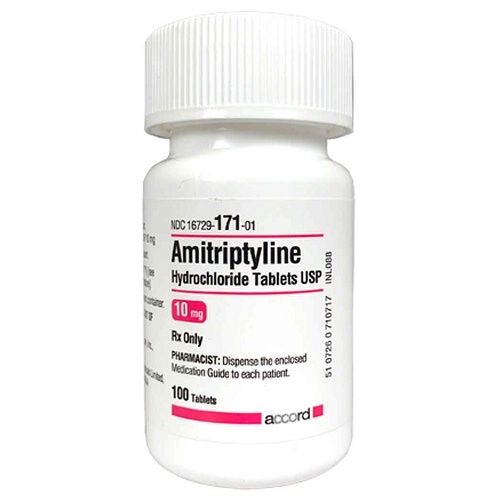
Is It Possible to Get Elavil (Amitriptyline) Without a Prescription in the United States?
No, Elavil (amitriptyline) is a prescription-only medication in the United States. It is regulated by the U.S. Food and Drug Administration (FDA). You cannot legally obtain Elavil without a valid prescription from a licensed healthcare provider.
Key Takeaways: Elavil (Amitriptyline) for Depression in the United States
- Prescription required: Elavil (amitriptyline) can only be dispensed with a valid prescription from a licensed medical professional in the U.S.
- Best suited for: Adults diagnosed with major depressive disorder, chronic neuropathic pain, or other indications per doctor’s assessment.
- Effect timeline: Noticeable improvement in depressive symptoms may take 2–4 weeks; pain relief may occur sooner in some cases.
- Safety priority: Elavil can cause serious side effects and drug interactions; close medical supervision is essential, especially in the first weeks of therapy.
- When to seek help: If you experience severe side effects, worsening mood, suicidal thoughts, or unusual behavioral changes, contact your doctor immediately.
- Most important benefit: Elavil is clinically proven to reduce depressive symptoms and certain types of chronic pain when other treatments may be ineffective.
How Does Elavil (Amitriptyline) Work in the Body?
Elavil, with the active ingredient amitriptyline, belongs to the class of tricyclic antidepressants (TCAs). Its primary mechanism of action involves inhibiting the reuptake of two key neurotransmitters in the brain: serotonin and norepinephrine. By blocking their reabsorption into presynaptic nerve endings, Elavil increases the availability of these neurotransmitters in the synaptic cleft, thereby enhancing neurotransmission in brain circuits that regulate mood and pain perception.
On a biochemical level, Elavil specifically inhibits the serotonin transporter (SERT) and norepinephrine transporter (NET). This results in elevated synaptic concentrations of serotonin and norepinephrine, both of which play crucial roles in mood stabilization, sleep regulation, and pain modulation.
In addition, amitriptyline antagonizes several other receptor systems—including muscarinic cholinergic, histaminergic, and alpha-adrenergic receptors—contributing to both therapeutic effects and side effects such as sedation, dry mouth, and orthostatic hypotension.
Metaphorically, think of Elavil as a “volume knob” that turns up the signal strength in neural pathways responsible for mood and pain relief. It doesn’t create new signals, but makes the existing ones easier for your brain to “hear.”
Elavil does not require specific external triggers to be effective, but its benefits are often maximized when combined with psychotherapy and healthy lifestyle adjustments as recommended by your doctor.
For detailed pharmacological pathways, see the FDA and recent publications in PubMed.
Why Symptom Relief Isn’t Always Immediate: Patient Expectations vs. Clinical Reality
As a physician, I often find that patients expect rapid mood improvement within days of starting Elavil. In reality, most antidepressants, including amitriptyline, require several weeks to exert full effects on depressive symptoms. Many people judge efficacy too early, leading to unnecessary frustration or discontinuation. Patients rarely ask about the expected time course or how we assess progress—key questions that can help them stay on track. Another overlooked issue is that some of the earliest changes (like improved sleep or appetite) are not always connected by patients to the medication, causing confusion about what “working” actually looks like. Understanding these nuances allows for a smoother, more realistic treatment journey and helps patients avoid premature disappointment.
How Should Elavil Be Taken? Dosage, Timing, and Duration
Elavil is available in tablet form in the U.S., typically in strengths of 10 mg, 25 mg, 50 mg, 75 mg, and 100 mg. The initial dosage for depression in adults often starts at 25-50 mg per day, taken in a single dose at bedtime or divided into multiple doses. The dose may be gradually increased by your physician based on response and tolerability, up to a maximum of 150-300 mg per day for adults (though higher doses are rare and require close monitoring).
- For elderly patients or adolescents: Initial doses are lower (10-25 mg per day), with careful titration to minimize the risk of side effects.
- Tablets: Most formulations can be split if scored; always check your specific tablet and consult your pharmacist before splitting.
- Peak effect: Sedative effects are usually noticeable within hours; antidepressant effects may take 2–4 weeks to emerge.
- Duration of action: The half-life is approximately 10–50 hours (mean ~20 hours), supporting once-daily or divided dosing.
Duration of therapy is highly individualized. Do not stop treatment abruptly; sudden discontinuation can cause withdrawal symptoms and relapse.
Can Food, Drink, or Lifestyle Choices Affect Elavil’s Absorption or Safety?
Elavil may be taken with or without food. Food does not significantly affect absorption, but taking it with a light meal may decrease stomach upset for some people. Fatty meals do not meaningfully delay or enhance the drug’s effect based on current data.
- Alcohol: Strongly discouraged. Combining Elavil with alcohol increases sedative effects, impairs coordination, and may dangerously amplify central nervous system depression. Even small amounts may be risky, especially when starting treatment or increasing the dose.
- Grapefruit juice: No clinically significant interaction reported for amitriptyline, unlike with some other psychotropic drugs.
- Caffeine: No major interactions, but excessive intake may worsen sleep disturbances.
Bottom line: Avoid alcohol and always consult your prescriber about any major dietary or lifestyle changes while using Elavil.
Who Should Not Take Elavil? Absolute and Relative Contraindications
Absolute contraindications (never use Elavil):
- Current or recent use (within 14 days) of monoamine oxidase inhibitors (MAOIs)—risk of potentially fatal serotonin syndrome.
- Recent myocardial infarction (heart attack): Risk of arrhythmias or sudden cardiac events.
- Known hypersensitivity to amitriptyline or other tricyclic antidepressants.
- Acute recovery phase after a heart attack.
Relative contraindications (use only with caution and close medical supervision):
- Severe liver disease: Impaired metabolism increases toxicity risk.
- Prostatic hypertrophy or urinary retention: May worsen symptoms due to anticholinergic effects.
- History of seizures: Lowers seizure threshold.
- Bipolar disorder: May precipitate manic episodes if not properly managed.
- Glaucoma (especially angle-closure): May worsen intraocular pressure.
- Thyroid disease and patients on thyroid medication.
- Pregnancy and lactation: Use only if benefits outweigh risks; consult your doctor.
After a heart attack, Elavil may be considered under strict supervision—but only after sufficient cardiac recovery, usually several weeks, based on your cardiologist’s assessment.
What Side Effects Are Most Common with Elavil?
Very common (>10%):
- Dry mouth
- Drowsiness or sedation
- Constipation
- Weight gain
- Blurred vision
- Dizziness
- Rapid or irregular heartbeat (palpitations)
- Urinary retention
- Increased appetite
- Orthostatic hypotension (drop in blood pressure on standing)
- Seizures
- Confusion (especially in older adults)
- Photosensitivity
- Peripheral neuropathy
- Serotonin syndrome (especially with other serotonergic drugs)
- Agranulocytosis (dangerous drop in white blood cells)
- Heart block or sudden cardiac arrest
- Severe allergic reactions
Mechanisms: Most side effects, like dry mouth, constipation, blurred vision, and urinary retention, are due to anticholinergic activity. Sedation is from histamine receptor blockade. Cardiovascular risks result from altered cardiac conduction.
What to do if you experience side effects: For mild symptoms, inform your doctor at your next visit. For severe symptoms (such as chest pain, severe confusion, allergic reaction, or suicidal thoughts), seek immediate medical help or call 911.
Common Pitfalls: Mistakes Patients Make When Using Elavil
- Stopping medication abruptly: This can cause withdrawal symptoms (e.g., nausea, headache, irritability) and rapid relapse of depression. Taper only under medical supervision.
- Skipping doses or inconsistent timing: Reduces effectiveness and increases risk of side effects, especially if doses are doubled to “catch up.”
- Combining with alcohol or sedatives: Magnifies sedation and danger of central nervous system depression.
- Ignoring new or worsening symptoms: Not reporting suicidal thoughts, confusion, or rapid heartbeat delays life-saving interventions.
- Using other medications without informing doctor: Over-the-counter antihistamines, cold remedies, or supplements may interact dangerously.
- Not monitoring blood pressure or heart rate: Especially important for older adults or those with cardiac history.
- Not informing all healthcare providers about Elavil use: Increases risk during surgery, dental procedures, or in emergencies.
Avoid these by: Sticking to your prescribed schedule, updating your doctor about all symptoms and medications, and never stopping treatment without guidance.
How Does Elavil Compare to Other Antidepressants in the U.S.?
| Drug | Class | Onset of Effect | Common Side Effects | Duration (Half-Life) | Estimated Cost (per tablet) | Prescription Required |
|---|---|---|---|---|---|---|
| Elavil (Amitriptyline) | Tricyclic Antidepressant | 2–4 weeks | Sedation, dry mouth, weight gain | ~20 hours | $0.30–$1.00 (generic); $2–$4 (brand) | Yes |
| Prozac (Fluoxetine) | SSRI | 2–4 weeks | GI upset, insomnia, sexual dysfunction | ~2–4 days | $0.15–$0.80 (generic); $3–$6 (brand) | Yes |
| Zoloft (Sertraline) | SSRI | 1–2 weeks | GI upset, headache, insomnia | ~26 hours | $0.20–$0.90 (generic); $3–$5 (brand) | Yes |
Summary: Elavil is often more sedating and may help with concurrent pain syndromes, but carries a higher risk of anticholinergic side effects and overdose toxicity compared to SSRIs like fluoxetine and sertraline. Costs for generics are broadly similar, but brand names may be more expensive.
Technical Reference Table: Elavil (Amitriptyline) Quick Facts
| Parameter | Value |
|---|---|
| Active Ingredient | Amitriptyline hydrochloride |
| Available Strengths (U.S.) | 10 mg, 25 mg, 50 mg, 75 mg, 100 mg |
| Formulations | Tablet (oral) |
| Usual Adult Starting Dose | 25–50 mg/day (may increase) |
| Max Adult Dose | 150–300 mg/day (rare) |
| Metabolism | Liver (CYP2D6, CYP2C19) |
| Elimination | Kidneys (urine, metabolites) |
| Half-life (T1/2) | ~10–50 hours (average ~20) |
| Storage | Room temperature (68–77°F); protect from light/moisture |
Compatibility Check: Elavil and Other Substances
| Type of Product | Can It Be Combined? | Consequences |
|---|---|---|
| Alcohol | No | Increased sedation, risk of overdose |
| SSRIs (e.g., fluoxetine) | No | Risk of serotonin syndrome |
| MAOIs | STRICTLY NO | Potentially fatal interaction |
| Over-the-counter antihistamines | With caution | Enhanced anticholinergic effects |
| NSAIDs (e.g., ibuprofen) | Yes (monitor) | Possible increased bleeding risk |
| Opioid pain relievers | With strict caution | Increased sedation, respiratory risk |
| Grapefruit juice | Yes | No known significant interaction |
What Should I Do If I Take Too Much Elavil?
1. Stop use immediately.
2. Call 911 or local emergency services.
3. Inform the responding medical team of the dose taken, when it was taken, and any symptoms.
Overdose symptoms may include: severe drowsiness, agitation, confusion, hallucinations, irregular heartbeat, seizures, or loss of consciousness. Elavil overdose can be life-threatening and requires emergency treatment.
For further information on overdose management, refer to poison control centers and the FDA.
How To Obtain Elavil Legally and Safely in the United States: Step-by-Step Process
- Step 1: Medical Consultation
Schedule a face-to-face or telehealth appointment with a licensed healthcare provider (such as a primary care physician, psychiatrist, or nurse practitioner) in your state. - Step 2: Assessment
Your provider will assess your medical history, symptoms, prior treatments, and potential drug interactions to determine if Elavil is appropriate. - Step 3: Prescription Issuance
If indicated, your provider issues an electronic or paper prescription, including dose and directions. - Step 4: Pharmacy Fulfillment
Present your prescription at a licensed U.S. pharmacy (in person or online, if accredited). The pharmacist verifies the prescription and counsels you on safe use. - Step 5: Ongoing Monitoring
Follow up regularly with your prescriber to monitor effectiveness, side effects, and need for adjustments.
Some telemedicine services in major cities like New York, Los Angeles, Chicago, and Houston can provide remote consultations and e-prescriptions, but you must still use a licensed pharmacy for fulfillment.
What Should I Do If Elavil Isn’t Working for Me?
If you do not notice any improvement in your symptoms after 4–6 weeks, or if side effects are intolerable, contact your doctor as soon as possible. Do not increase or decrease the dose on your own. Your physician may recommend:
- Re-evaluating the diagnosis and treatment plan
- Switching to another antidepressant or adding adjunct therapy
- Exploring psychotherapy or non-pharmacological interventions
- Investigating underlying medical or psychosocial factors
How Is Elavil Metabolized and Eliminated? What Do I Need to Know About Pharmacokinetics?
Elavil (amitriptyline) is primarily metabolized in the liver by the cytochrome P450 enzymes (mainly CYP2D6 and CYP2C19). Its metabolites are mostly excreted in the urine via the kidneys. The elimination half-life is variable, ranging from about 10 to 50 hours, with an average of 20 hours, which supports once-daily dosing for most patients. Patients with significant liver or kidney impairment may require lower doses and close monitoring due to potential drug accumulation.
Implications: People with chronic liver disease or those taking other drugs that affect CYP2D6/CYP2C19 enzymes (like certain antiepileptics or antifungals) may experience increased side effects or toxicity. Always inform your doctor of all medications and supplements you are taking.
Special Considerations for Specific Patient Groups Using Elavil
- Elderly patients (>65 years): Increased risk of confusion, falls, cardiac events, and anticholinergic side effects. Start at the lowest effective dose and monitor closely.
- Patients with heart disease: Risk of arrhythmias and sudden cardiac events is higher. ECG monitoring may be recommended.
- Epilepsy or seizure disorders: Elavil lowers the seizure threshold. Use only with close monitoring.
- Pregnancy and lactation: Not recommended unless benefits outweigh risks. Elavil crosses the placenta and is excreted in breast milk.
- Fertility: No current evidence of direct effects on human fertility, but animal studies show some reproductive toxicity at high doses.
- Ability to drive or operate machinery: Elavil can cause drowsiness, blurred vision, and slowed reaction time. Do not drive or operate dangerous machinery until you know how the drug affects you.
How to Spot Legitimate Online Pharmacies in the United States (Safety Checklist)
With the increase in online pharmacies, it’s crucial to ensure you’re using a licensed, legitimate provider. Here’s how to check:
- Verify accreditation: Look for National Association of Boards of Pharmacy (NABP) accreditation (e.g., VIPPS or “.pharmacy” domain).
- Check regulatory compliance: Ensure the pharmacy is licensed in your state (check your state’s Board of Pharmacy).
- Prescription requirement: Legitimate pharmacies always require a valid prescription; refusal to request one is a major red flag.
- Contact information: There should be a physical U.S. address and a licensed pharmacist available for questions.
- Avoid sites offering “no prescription” Elavil or extremely low prices: These are often sources of counterfeit or unsafe products.
How to Identify Counterfeit Elavil and Understand Generics vs. Brand
Original Elavil (amitriptyline) tablets should arrive in sealed manufacturer packaging with:
- Blister packs or bottles with clear labeling, lot numbers, and expiration dates
- Consistent tablet color and imprint (e.g., a unique code or logo)
- Official manufacturer name (e.g., Sandoz, Teva, or the original brand by Merck)
- Patient information leaflet in English
- QR code or hologram (if applicable in 2026)
Warning signs of counterfeits: Misspellings, unclear print, missing batch numbers, odd colors, or prices much lower than market average.
Generics: Amitriptyline generics are FDA-approved and judged equivalent in efficacy and safety to the original Elavil. Generic tablets may differ in shape, color, or inactive ingredients (“excipients”)—these rarely change effectiveness but can occasionally cause allergic reactions in sensitive individuals.
If unsure, consult your pharmacist for verification before use.
What Does Authentic Elavil Look Like? Quality Assurance Guide
- Tablet Color: Varies by strength; e.g., pink (10 mg), yellow (25 mg), blue (50 mg), orange (75 mg), green (100 mg)
- Shape: Round or oval, often with a break line and imprint code
- Packaging: Original manufacturer’s blister pack or bottle, with clear labeling, batch number, and expiry date
- Leaflet: FDA-approved patient information leaflet included
- Anti-counterfeit features: QR code or hologram (may be present on packaging for added security in 2026)
Never use tablets with unusual color, broken seal, or missing information. When in doubt, speak with your pharmacist or see FDA guidance for medication quality verification.
Myth vs Reality: Does Elavil Work Instantly?
Myth: “Elavil will make me feel better overnight.”
Reality: Antidepressant effects typically begin after 2–4 weeks. Early side effects may occur before any improvement in mood is noticeable.
Living with Depression: Emotional and Psychological Support
Depression is a common, treatable condition that affects millions of Americans every year. If you’re struggling, know that you’re not alone, and it’s okay to seek help. Many people benefit from combining medication with therapy, lifestyle changes, and support from loved ones. If you’re comfortable, consider sharing your experience with trusted friends, family, or a mental health professional. Your journey is valid, and recovery is possible.
Questions Patients Often Ask doctor About Elavil Therapy
- How long should I expect to wait before feeling better on Elavil?
- Most patients start to notice some changes—such as improved sleep or appetite—within 2 weeks, but full antidepressant effects often take 4–6 weeks. If you do not feel better by then, let me know so we can reassess the treatment plan.
- Will taking Elavil make me feel “numb” or different from myself?
- While some people feel emotionally “blunted” early on, most find that their usual range of emotions returns as their depression lifts. If you feel disconnected or “not yourself,” please discuss it with me.
- Is it safe to use Elavil for a long period?
- Many people use Elavil for months or even years under medical supervision. Long-term use is generally safe if we monitor for side effects and regularly review the need for ongoing therapy.
- What should I do if I forget to take a dose?
- If you remember within a few hours, take it as soon as possible. If it’s close to your next dose, skip the missed tablet—never double up. Consistency is more important than perfection, so notify me if you miss doses frequently.
- How will I know if the medication is working?
- We look for gradual improvements in mood, sleep, appetite, concentration, and daily functioning. Sometimes close friends or family notice positive changes before you do. Regular check-ins help track progress.
- Are there warning signs that I should stop Elavil immediately?
- If you experience chest pain, severe confusion, seizures, allergic reaction (rash, swelling, difficulty breathing), or suicidal thoughts, stop the medication and seek emergency help immediately.
- Can I take over-the-counter medications or supplements with Elavil?
- Some can interact dangerously. Always check with me or your pharmacist before adding new remedies, especially antihistamines, cold medicines, or herbal supplements like St. John’s wort.
Frequently Asked Questions About Elavil in the United States
Q: Is Elavil (amitriptyline) still available under the brand name in the U.S.?
A: Brand-name Elavil is no longer marketed by the original manufacturer in the U.S., but FDA-approved generic amitriptyline is widely available by prescription.
Q: Do I need a prescription to buy Elavil in the United States?
A: Yes, Elavil is available by prescription only. It is illegal and unsafe to obtain it without a valid prescription from a licensed healthcare provider.
Q: What is the typical cost of Elavil in the U.S.?
A: Generic amitriptyline is inexpensive, often costing between $0.30 and $1.00 per tablet, though prices vary by pharmacy and insurance coverage. Brand-name products, if available, cost significantly more.
Q: How quickly does Elavil start working?
A: Sedative effects may appear within a few hours; mood improvements usually take 2–4 weeks. Pain relief (for neuropathic pain) may begin after a few days.
Q: Can Elavil be used for conditions other than depression?
A: Yes, it is commonly prescribed for chronic pain (such as neuropathic pain or fibromyalgia), migraine prevention, and sometimes insomnia, all off-label uses supported by clinical studies.
Q: What should I do if I experience side effects?
A: Report any bothersome or severe side effects to your doctor. For serious symptoms like chest pain, seizures, or difficulty breathing, seek emergency care immediately.
Q: Is it safe to stop Elavil suddenly?
A: No. Stopping abruptly can cause withdrawal symptoms and relapse. Always taper under medical supervision.
Q: Are there serious risks if I mix Elavil with other antidepressants?
A: Combining Elavil with other serotonergic medications (like SSRIs, SNRIs, MAOIs) can cause serotonin syndrome—a potentially life-threatening condition. Never combine without explicit instructions from your doctor.
Q: Can I drive while taking Elavil?
A: Avoid driving or operating machinery until you know how Elavil affects you. Drowsiness and slowed reaction times are common, especially at the start of treatment.
Q: Does insurance cover Elavil?
A: Most health insurance plans in the U.S., including Medicare and Medicaid, cover generic amitriptyline with a valid prescription.
Clinical Assessment by doctor: Who Benefits Most and When to Reconsider Elavil?
In my clinical experience, amitriptyline is most beneficial for adults with major depressive disorder who have not responded fully to first-line antidepressants, and for those with significant comorbid chronic pain (such as neuropathic pain or fibromyalgia). Patients who also struggle with insomnia or require sedative support may find particular relief due to Elavil’s pronounced calming effects. However, I am cautious about prescribing Elavil for elderly patients, those with cardiac arrhythmias, or individuals with known anticholinergic sensitivity due to the risk of confusion, falls, and potentially life-threatening cardiac events. In such cases, alternatives like SSRIs or SNRIs may offer a safer profile. Patients with a history of bipolar disorder or seizure disorders require additional monitoring and may not be ideal candidates for Elavil unless other options prove ineffective. Whenever side effects become unmanageable or no significant improvement is noted after an adequate trial, I recommend reassessment and consideration of alternative therapies. Ultimately, the decision rests on a careful balance between expected benefits and potential risks, tailored to each patient’s unique circumstances.
References
- U.S. Food and Drug Administration (FDA). “Amitriptyline Hydrochloride Tablets Prescribing Information.” Accessed 2026. https://www.fda.gov/
- National Institutes of Health. “Amitriptyline: MedlinePlus Drug Information.” Accessed 2026. https://medlineplus.gov/druginfo/meds/a682388.html
- Mayo Clinic. “Amitriptyline (Oral Route): Description and Brand Names.” Accessed 2026. https://www.mayoclinic.org/drugs-supplements/amitriptyline-oral-route/description/drg-20068512
- American Psychiatric Association. “Practice Guideline for the Treatment of Patients with Major Depressive Disorder, 3rd Edition.” 2024.
- National Association of Boards of Pharmacy (NABP). “Find a Safe Pharmacy.” Accessed 2026. https://nabp.pharmacy/
- PubMed. “Recent clinical trials on amitriptyline efficacy and safety.” Accessed 2026. https://pubmed.ncbi.nlm.nih.gov/
- FDA. “Buying Medicines Over the Internet.” Accessed 2026. https://www.fda.gov/drugs/online-pharmacies