
- Home/
- Buy Endep in Online Pharmacy in the United States
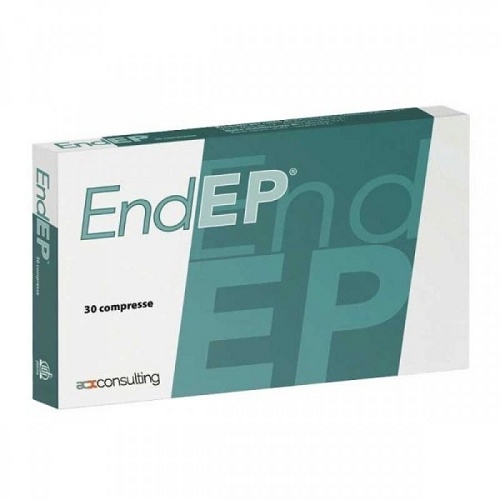
| Brand name | Endep |
|---|---|
| Main ingredient | Amitriptyline |
| Condition addressed | Major depressive disorder and related mood disorders |
| Tablet strengths | 10 mg, 25 mg, 50 mg, 75 mg, 100 mg, 150 mg |
| Initial effects noticed | Typically within 2 to 4 weeks of consistent use |
| Duration of benefit per dose | Approximately 24 hours |
| Standard intake schedule | Once daily, most often at bedtime |
| Prescription status in United States | Prescription required (FDA-regulated) |
Endep for Depression: Guidance, Safety, and Access in the United States
Endep, with the active component amitriptyline, is a prescription medication widely used for the management of depression and certain mood conditions. In the United States, it is available under the oversight of the Food and Drug Administration (FDA) and can be obtained with a valid prescription. This guide addresses the most common concerns and practical questions about starting, choosing, and using Endep for depression.
Depression in the United States: Understanding the Scope and Path Forward
Depression is not a personal weakness or a rare diagnosis. According to the National Institute of Mental Health (NIMH), in 2021, approximately 8.3% of U.S. adults experienced at least one major depressive episode during the year. That equates to more than 21 million people. The World Health Organization also recognizes depression as one of the leading causes of disability globally. These figures confirm that depression is both common and treatable, and that those affected are far from alone. Multiple effective strategies exist, including medications like Endep, to help individuals regain stability and quality of life.
How Endep Works: Bridging Brain Chemistry and Daily Life
Endep falls within a class known as tricyclic antidepressants (TCAs). Its core mechanism is to increase the levels of certain neurotransmitters—primarily serotonin and norepinephrine—in the brain. These are chemical messengers involved in regulating mood, sleep, and emotional responses.
- Mechanism at the cellular level: Amitriptyline inhibits the reuptake (removal) of these neurotransmitters by nerve cells. By keeping more serotonin and norepinephrine available in the gaps between nerves, mood regulation improves.
- What this means practically: Most people do not feel an immediate effect. Noticeable improvement in mood, interest in activities, and daily functioning often begins within 2 to 4 weeks of regular use, though sleep and anxiety symptoms might improve sooner. Persistence is key—early side effects often lessen as the body adjusts.
In addition to depression, Endep is sometimes used for certain types of chronic pain, anxiety, and sleep disturbances, but its primary indication remains depressive disorders. All uses require a healthcare provider’s supervision.
Is Endep Right for You? Matching Life Situations to Treatment Choices
| If this describes you… | Consider this approach | Why? |
|---|---|---|
| You have persistent sadness, loss of interest, and poor sleep, without relief from counseling alone | Endep may be suitable | Because it targets both mood and sleep symptoms, making it valuable when talk therapy is insufficient |
| Previous antidepressants (SSRIs or SNRIs) have not worked or caused intolerable side effects | Endep is a potential alternative | Because it works via a different pathway and may succeed where others have not |
| History of heart disease, glaucoma, or urinary retention | Endep is likely not appropriate | Because it can worsen these conditions due to its anticholinergic effects |
| You are elderly or on multiple medications | Use with caution, at lowest possible dose, and under close supervision | Increased risk of confusion, falls, and drug interactions in these groups |
Your personal medical history and current treatments are crucial when considering any antidepressant. A prescriber will evaluate all relevant factors, including possible risks and benefits, before recommending Endep.
Practical Guidance: Daily Use, Adjustments, and What Ifs
- When and how to take: Endep is usually taken once daily, preferably at night because it may cause drowsiness. Swallow tablets whole with water—food is optional, but taking with food might reduce stomach upset.
- Missed dose: If you forget a dose, take it as soon as you remember unless it’s close to your next scheduled dose. Do not double up or take extra to compensate. Skipping one dose is unlikely to cause withdrawal; consistently missing doses may reduce effectiveness.
- If it doesn’t help: If symptoms do not improve after 4-6 weeks, inform your doctor. Sometimes, the dose can be adjusted, or another therapy may be considered.
- Normal experiences vs warning signs: Dry mouth, mild drowsiness, and slight dizziness are common early on and usually lessen. Persistent vision changes, rapid heartbeat, or severe constipation are not normal—contact your provider if these occur.
- Stopping suddenly: Do not stop Endep abruptly unless advised; withdrawal symptoms such as nausea, headache, or irritability may occur. Always taper under medical supervision.
Each situation is unique—always communicate with your healthcare provider if you’re unsure about symptoms or circumstances during treatment.
Safety Profile: Who Should Not Use Endep?
Some medical conditions and situations make Endep unsafe or unsuitable. These contraindications are based on how its active ingredient, amitriptyline, affects the body:
- Recent heart attack or serious heart rhythm disorders: Endep may disrupt heart electrical activity, increasing risk of arrhythmias.
- Severe liver disease: The medication is processed by the liver; impaired function can lead to toxic buildup.
- Narrow-angle glaucoma: Endep increases eye pressure, which can worsen this type of glaucoma.
- History of urinary retention or enlarged prostate: Its anticholinergic effects can make urination more difficult.
- Allergy to amitriptyline or other tricyclic antidepressants: Immediate allergic reactions may occur in rare cases.
Always provide your full medical history to your prescriber to ensure none of these risks apply to you.
Potential Side Effects: What to Expect, What to Watch For
Like all antidepressants, Endep can cause side effects. Most are mild and often decrease over time, but some require attention:
- Frequent but usually mild: Dry mouth, drowsiness, constipation, blurred vision, mild weight gain.
- Occasional, may need doctor’s advice: Increased heart rate, confusion (especially in older adults), sweating, sexual side effects.
- Rare but serious (seek medical help): Severe chest pain, sudden severe headache, fainting, seizures, signs of allergic reaction (swelling of face/throat, difficulty breathing).
If you experience signs of a severe allergic reaction or sudden loss of consciousness, call 911 (United States emergency services) immediately.
Medication Interactions: What Not to Combine With Endep
Endep interacts with a range of other substances. Some important considerations include:
- Other antidepressants (MAO inhibitors): These can cause dangerous blood pressure spikes or serotonin syndrome if taken within two weeks before or after Endep.
- Certain heart medications (antiarrhythmics, some antihypertensives): They can increase the risk of heart rhythm disturbances.
- Alcohol and sedatives: Concomitant use enhances drowsiness and impairs judgment. Combining with alcohol is discouraged.
- Other anticholinergic drugs: Medications for allergies, overactive bladder, or some antipsychotics can intensify side effects such as dry mouth, constipation, and urinary retention.
Always disclose all medications, supplements, and herbal products you are taking to your prescriber, as even over-the-counter remedies can interact with Endep.
How Does Endep Compare? Alternatives and When to Choose Something Else
| Medication | Main features | Best suited for | Limitations |
|---|---|---|---|
| Endep (Amitriptyline) | Targets mood and sleep, older tricyclic style, sedating effect | Patients with depression plus insomnia, those who haven’t responded to newer agents | More side effects (dry mouth, weight gain), not ideal for elderly or heart disease |
| SSRIs (e.g. sertraline, fluoxetine) | Modern, generally fewer side effects, less sedating | First-line for most new depression diagnoses, safer in elderly | Less effective for severe or treatment-resistant depression, possible sexual side effects |
| SNRIs (e.g. venlafaxine, duloxetine) | Affects two neurotransmitters, helpful for mood and some pain syndromes | Patients with co-existing anxiety or neuropathic pain | Can raise blood pressure, may cause withdrawal if stopped suddenly |
| Bupropion | Energizing, does not cause sexual side effects, no drowsiness | Patients with fatigue and low motivation, those concerned about sexual function | Not suitable for those with seizure risk or eating disorders |
Endep remains a valuable option in certain scenarios—especially where sleep, chronic pain, or poor response to other antidepressants are issues. For those at higher risk of cardiac side effects, or for elderly patients, newer antidepressants are generally preferred. Discussing your unique situation with a prescriber is essential for the safest and most effective choice.
Cost, Prescription, and Delivery: What to Expect When Getting Endep in the United States
| Cost element | Estimated amount (USD) | Details / context |
|---|---|---|
| Healthcare provider consultation | $80 – $250 | In-person or telemedicine, varies by region and insurance |
| Prescription handling fee | $0 – $25 | Sometimes included with the visit; may be charged separately online |
| Endep (Amitriptyline) tablets — 30 count | $8 – $40 | Generic versions; price varies by pharmacy and dosage |
| Standard shipping (if buying online) | $5 – $15 | Some online pharmacies offer free shipping with thresholds |
| Total (first month) | $93 – $330 | Depending on consultation format, location, and insurance coverage |
Endep is covered by most insurance plans, especially in its generic form. The prescription is required by law. While some websites may offer to sell Endep without a prescription, this practice is not compliant with FDA regulations in the United States. Buying from licensed pharmacies—either online or in person—ensures you receive authentic medication and access to a pharmacist’s guidance. Delivery times are usually 1–5 days depending on the pharmacy and location.
Final Considerations: What Else Should You Know Before Starting Endep?
One of the most important steps before beginning Endep is open communication with your healthcare provider about your full medical and medication history. This includes mental health diagnoses, heart health, liver function, and any non-prescription substances. For those considering stopping Endep, always consult a professional—sudden discontinuation can lead to discomfort and risk.
While Endep is effective for many, patience is required to see its full benefits. Set realistic expectations for gradual improvement, not overnight change. If your pharmacy substitutes a generic product (amitriptyline), this is standard practice in the United States and does not affect quality or efficacy.
If you have further doubts, ask your provider to explain how your treatment plan was chosen. Informed decisions, not rushed ones, are the safest path to recovery.
Where this information comes from
- National Institute of Mental Health (NIMH), 2021
- World Health Organization, 2021
- U.S. Food and Drug Administration (FDA)