
- Home/
- Buy Fluoxetine Without Prescription in the United States Online
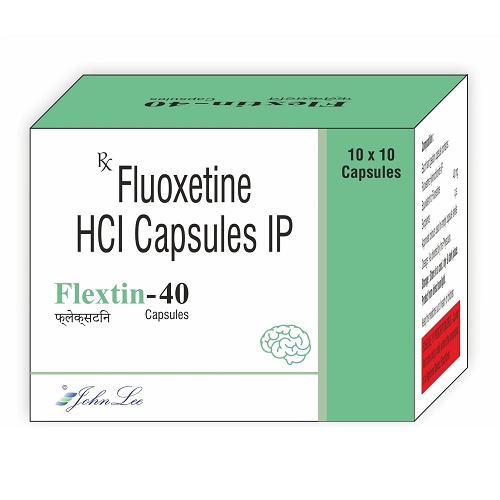
| Medicine Name | Fluoxetine |
|---|---|
| Main Compound | Fluoxetine |
| Condition Treated | Major Depressive Disorder (Depression) and related mood disorders |
| Strength Variations | 10 mg, 20 mg, 40 mg, 60 mg capsules/tablets |
| How Fast It Starts Working | Initial improvement may be noticed within 1–2 weeks; full effect generally in 4–6 weeks |
| How Long One Dose Lasts | Typically 24 hours (once-daily dosing); active in the body for several days due to long half-life |
| Usual Dosing Schedule | Taken once per day, usually in the morning |
| Prescription Needed? | Yes, prescription required in United States |
| Average Price Range | $4–$30 per month (generic), depending on pharmacy and dosage |
Fluoxetine for Depression: What to Know in the United States
Fluoxetine is an FDA-approved antidepressant used to treat depression and related conditions. It is legally available in the United States by prescription and comes in several strengths, allowing doctors to tailor treatment to individual needs. Understanding how Fluoxetine works and what to expect can help you make an informed decision about whether it is the right choice for managing your symptoms.
Depression Is Common—And Treatable
Living with persistent sadness, loss of interest, low energy, or trouble concentrating can feel isolating. In reality, you are far from alone. According to the National Institute of Mental Health (NIMH), in 2022, an estimated 21 million adults in the United States experienced at least one major depressive episode—that’s about 8.3% of all U.S. adults. Depression affects people of all backgrounds, and its impact can be profound—on work, relationships, and physical health. Recognizing that depression is both common and treatable is a crucial first step toward regaining control.
Effective treatments are available, and with the right support—including medication, therapy, or a combination—most individuals experience significant improvement, according to the NIMH, 2022. If your daily life is impacted by depression, seeking treatment is not a sign of weakness; it is a positive and evidence-based step toward recovery.
How Fluoxetine Addresses Depression: Mechanism and Experience
Fluoxetine belongs to a class of medications called selective serotonin reuptake inhibitors (SSRIs). In the brain, serotonin is a chemical messenger that helps regulate mood. When someone is depressed, serotonin levels or their activity may be impaired, contributing to persistent low mood and other symptoms.
- How it works: Fluoxetine blocks the reabsorption (reuptake) of serotonin into neurons. This increases the availability of serotonin in the brain, helping restore balance in mood-regulating pathways.
- What this means for you: Most people do not feel immediate relief. You may notice improvements in sleep, appetite, or energy in the first 1–2 weeks. Mood and interest in daily activities often improve after 4–6 weeks of consistent use.
- Why consistency matters: Because the benefits build gradually, missing doses may delay or reduce the effect. Consistent daily use maximizes the chance of sustained improvement.
In clinical trials reviewed by the U.S. Food and Drug Administration (FDA), Fluoxetine was shown to reduce depressive symptoms in the majority of patients—but individual response varies. Some people experience substantial relief, while others may need dose adjustments or alternative treatments. Ongoing monitoring with your clinician is key to tailoring the approach to your needs.
Is Fluoxetine the Right Choice for You? Scenarios and Selection
| Your Situation | Should You Consider Fluoxetine? | Reasoning |
|---|---|---|
| First episode of moderate to severe depression, no prior antidepressant use | Yes, often a first-line option | Fluoxetine is well-studied, generally well-tolerated, and widely prescribed as an initial SSRI for major depression. |
| Previous positive response to Fluoxetine or another SSRI | Yes, likely appropriate | If you have improved with SSRIs in the past, re-trying Fluoxetine may be reasonable—especially if you tolerated it well. |
| Pregnant or planning pregnancy | Possibly, with caution | Fluoxetine can be used in pregnancy if benefits outweigh risks, but requires close medical supervision due to potential risks to the fetus. |
| History of severe liver disease | No, generally not recommended | Liver impairment may slow drug elimination, increasing side effect risk. Another antidepressant with safer metabolism may be preferable. |
| Taking monoamine oxidase inhibitor (MAOI) or recently discontinued one | No, contraindicated | Combining Fluoxetine with MAOIs can cause dangerous interactions, including serotonin syndrome. |
| Mild symptoms or preference for non-medication approaches | Maybe not the first step | Therapy, lifestyle changes, or watchful waiting can be considered for mild depression without functional impairment. |
If these examples do not match your case, discuss your situation with a healthcare provider. There are many factors to weigh, including side effect profiles, other health conditions, and personal preferences.
Using Fluoxetine in Daily Life: What to Know
Starting a new medication comes with practical questions about timing, food, and what to do if things don’t go as planned. Here is what to expect with Fluoxetine:
- When to take it: Once daily, usually in the morning. Some people prefer evening dosing if the medication makes them sleepy, but morning is standard to avoid insomnia.
- With or without food? Either is acceptable—Fluoxetine can be taken with food or on an empty stomach.
- Missed a dose? Take it as soon as you remember if it’s the same day. If it’s nearly time for the next dose, skip the missed dose—do not double up. Missing a single dose is not dangerous but may slightly delay progress if frequent.
- What if you do not feel better after several weeks? It’s common for effects to take 4–6 weeks. If there’s no improvement after this period, or if symptoms worsen, consult your healthcare provider. Dose adjustments or a different medication may be recommended.
- Stopping the medication: Do not stop suddenly. Abrupt discontinuation can cause withdrawal symptoms (such as mood swings, irritability, or flu-like feelings). Always taper under medical supervision.
- Alcohol and Fluoxetine: Alcohol is best limited or avoided. While not strictly forbidden, alcohol can worsen depression and interact with side effects like drowsiness or impaired judgment.
Let your doctor know about all other medications and supplements you are taking. Regular follow-up visits, especially early in treatment, are important for monitoring side effects, progress, and making any needed adjustments.
Is Fluoxetine Safe for Me? Contraindications Explained
Some conditions or situations mean Fluoxetine is not a safe choice. Here’s why:
- Recent or current use of MAOIs (monoamine oxidase inhibitors): This combination can lead to dangerously high serotonin levels (“serotonin syndrome”). Fluoxetine must not be started until at least 14 days after stopping an MAOI, and vice versa.
- Known allergy or hypersensitivity to Fluoxetine or its ingredients: Allergic reactions can range from skin rash to severe swelling or trouble breathing.
- Severe liver impairment: Since Fluoxetine is processed by the liver, severe liver disease increases risk of accumulation and side effects.
- History of seizures: Fluoxetine can lower the seizure threshold; use only with careful monitoring in those with epilepsy.
- Bipolar disorder (especially if only depressive symptoms): Using Fluoxetine alone in bipolar disorder can trigger manic episodes unless paired with a mood stabilizer.
For children, adolescents, and pregnant or breastfeeding women, use is possible but must be carefully weighed by a specialist. Always inform your provider of your full medical history before starting Fluoxetine.
Potential Side Effects: What to Expect and When to Seek Help
- Common and usually mild:
- Gastrointestinal upset (nausea, diarrhea)
- Trouble sleeping or feeling drowsy
- Headache
- Loss of appetite or weight changes
- Increased sweating
- Less common but important:
- Sexual dysfunction (decreased libido, difficulty with orgasm)
- Anxiety, agitation, or restlessness—especially at the beginning of treatment
- Rash or other allergic reactions
- Low sodium levels (more likely in older adults)
- Rare but requiring immediate attention:
- Thoughts of suicide or worsening depression, especially in people under 25
- Signs of serotonin syndrome: high fever, confusion, muscle stiffness, fast heart rate, or tremor
- Severe allergic reaction: swelling of face/tongue/throat, difficulty breathing
- Seizures
If you or someone else experiences signs of serotonin syndrome, severe allergic reaction, or suicidal thoughts, seek emergency help immediately by calling 911 (United States Emergency Services).
Most side effects are manageable and resolve with time or dose adjustment, but always report new or severe symptoms to your provider. Never hesitate to ask questions about what is normal or when to get help.
Interactions With Other Medications and Substances
Fluoxetine interacts with a variety of medications and substances. Some combinations can increase side effects or cause dangerous reactions:
- Other antidepressants: Combining with other SSRIs, SNRIs, tricyclics, or St. John’s wort can raise serotonin levels too high.
- Blood thinners (warfarin, aspirin, NSAIDs): May increase bleeding risk.
- Antiepileptic drugs and antipsychotics: May alter blood levels of these drugs or increase seizure risk.
- Alcohol: Can increase drowsiness, impair judgment, and counteract antidepressant benefits.
- Other: Certain migraine medicines (“triptans”), opioids (tramadol), or drugs affecting heart rhythm should be reviewed with your doctor.
Always provide your healthcare provider with an updated medication and supplement list. This helps them anticipate interactions that may require a change in medication, close monitoring, or extra testing.
Comparing Fluoxetine With Other Antidepressants: When Is It Best?
Fluoxetine is just one of several SSRIs and other antidepressants available in the United States. It stands out for its long half-life (stays in the body for several days), which offers a lower risk of withdrawal symptoms if a dose is missed. This can be especially helpful for people who may forget a dose on occasion.
| Medication | Strengths | Limitations |
|---|---|---|
| Fluoxetine | Long-acting, lower withdrawal risk, widely studied, available as generic | May cause more activation (restlessness, insomnia) than some SSRIs; can interact with more drugs due to metabolism pathway |
| Sertraline | Often well-tolerated, good for depression with anxiety, less activating | Shorter half-life, higher risk of withdrawal if stopped suddenly |
| Bupropion | No sexual side effects, may help with energy, useful for smokers | Not for people with seizure risk, can worsen anxiety or insomnia |
| Escitalopram | Fewer drug interactions, well-tolerated | Shorter half-life, may cause withdrawal; costlier as brand |
Fluoxetine is often preferred for those who need a long-lasting effect or who have had trouble with withdrawal on other SSRIs. It may not be the best choice for individuals particularly sensitive to agitation or who need a rapid response, as its effect builds gradually. Discussing prior medication experience, current symptoms, and your lifestyle with your doctor helps select the most suitable option.
Fluoxetine: What It Costs and How to Get It in the United States
Fluoxetine is available in both brand-name (Prozac) and generic versions. Most patients use generics due to cost and comparable effectiveness. Here is what purchasing Fluoxetine typically involves in the United States:
| Expense | Estimated Amount | Notes |
|---|---|---|
| Doctor Appointment / Telehealth | $0–$200 | Primary care or psychiatry; insurance may cover all or part |
| Prescription Fee | $0–$15 | Varies by clinic or pharmacy; often included in appointment |
| Medication Cost (Generic Fluoxetine, 30-day supply) | $4–$30 | Depends on pharmacy, insurance, and dosage |
| Delivery (optional, for online orders) | $0–$15 | Standard shipping, may be free with subscription |
| Total Estimated Cost | $4–$260 | Lower end: insured, basic generic; upper end: initial consult + delivery |
- Pharmacy Options: Fluoxetine can be filled at local pharmacies, big-box stores, or reputable online providers. Many chain pharmacies offer generics for as little as $4 per month.
- Prescription Requirement: Fluoxetine is regulated by the U.S. Food and Drug Administration (FDA) and requires a prescription from a licensed healthcare provider. Some online services offer telemedicine consultations for convenience and privacy, but a prescription is still legally necessary.
- Insurance Coverage: Most insurance plans—including Medicaid and Medicare—cover generic Fluoxetine. Copays and deductibles vary.
Counterfeit risk is low when buying from licensed U.S. pharmacies. Be cautious with overseas or unregulated online sources, as quality, authenticity, and legality cannot be guaranteed.
What If You Still Have Questions?
While this guide covers what most people need to know, you may still have concerns unique to your health, medications, or experience with depression. Is it safe for you to drive while starting Fluoxetine? How does it interact with your specific chronic condition? These are legitimate questions that sometimes require personalized answers. Bring a list of your medications and concerns to your next medical appointment. If you are having difficulty accessing care, many major health systems and telemedicine platforms now offer remote consultations for prescription management and medication review.
For urgent questions about medication side effects or safety, your local pharmacist can also be a valuable resource in the United States.