
- Home/
- Buy Furosemide at Low Price in the United States Online
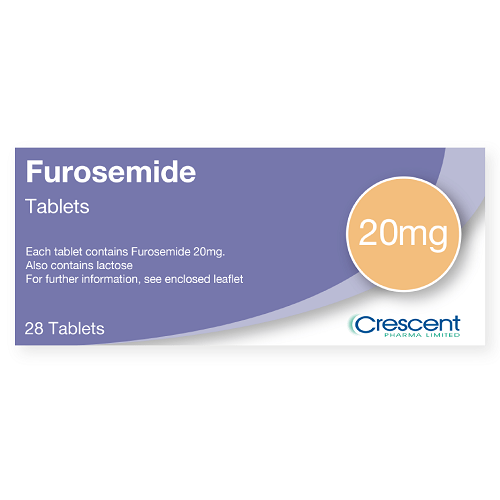
| Product Name | Furosemide |
|---|---|
| Main molecule | Furosemide |
| Primary use | Reduction of fluid accumulation (Edema) |
| Strengths available | 20 mg, 40 mg, 80 mg tablets; Injectable forms |
| How quickly it acts | Within 30–60 minutes orally; 5 minutes intravenously |
| Length of effect | 4–8 hours (oral); up to 2 hours (IV) |
| Prescription status | Prescription required in United States |
| Food considerations | Can be taken with or without food |
Furosemide for Edema: Guidance and Realities in United States
Furosemide is a prescription medication used to manage excess fluid retention in the body, commonly linked to conditions like heart failure, kidney, or liver disorders. It is available and regulated in the United States, offering an established approach to treating edema under medical supervision. Here’s what you need to know if you’re considering Furosemide as a solution for fluid buildup.
The Widespread Challenge of Edema: Understanding the Problem
Edema, or abnormal fluid accumulation in tissues, affects a significant portion of the adult population, particularly among those with chronic diseases. According to the Centers for Disease Control and Prevention (CDC), 2022, approximately 6.5 million Americans are living with heart failure—a leading cause of edema—while additional millions experience swelling due to kidney or liver issues. The good news: Edema is both common and manageable, with well-established treatments available. Recognizing swelling in the legs, ankles, abdomen, or even around the eyes is not just a personal struggle; it is a recognized medical issue that can be addressed with proven therapies.
How Furosemide Addresses Fluid Buildup: The Mechanism and Its Impact
Furosemide belongs to a class of medications known as loop diuretics. It works by targeting a specific region in the kidneys called the loop of Henle. Here, it blocks the reabsorption of sodium and chloride—key electrolytes. This action causes the kidneys to expel more salt and, consequently, water into the urine.
- Mechanism: By preventing salt from being reabsorbed, Furosemide increases urine production, which efficiently drains excess fluid from the body.
- Practical effect: Most people experience a reduction in swelling within a few hours of taking the medication, often feeling lighter and noticing less puffiness in affected areas.
- Additional result: For those with shortness of breath due to fluid around the lungs, Furosemide can provide noticeable relief as the fluid is cleared.
As a direct consequence, the medication not only lessens swelling but also helps reduce the risk of complications from fluid overload, such as elevated blood pressure or difficulty breathing.
Is Furosemide the Right Choice for You? Matching Real-Life Scenarios
| Your Situation | Is Furosemide Suitable? | Rationale |
|---|---|---|
| Diagnosed with heart failure and experiencing persistent swelling in legs and ankles | Yes | Because Furosemide is clinically proven to quickly reduce edema linked to heart conditions. |
| Kidney disease with fluid retention but unstable electrolyte levels | Maybe, with caution | Because Furosemide may be used, but requires close monitoring of blood minerals. |
| Occasional mild swelling from standing long hours, no underlying chronic disease | No | Because lifestyle changes or milder interventions are usually sufficient; Furosemide is not indicated without an underlying condition. |
| Currently taking medications that interact with diuretics (such as certain blood pressure drugs) | Possibly not | Because of potential for adverse interactions—medical assessment required before use. |
Furosemide is not a universal remedy for every type of swelling. It is most appropriate when your edema is linked to a diagnosed medical condition and requires a physician’s guidance for safe use.
Applying Furosemide in Everyday Life: Practical Guidance
- Timing and routine: Take Furosemide in the morning to minimize sleep disruption, as increased urination typically begins within an hour and may last several hours.
- With or without food: The absorption of Furosemide is not strongly affected by meals; you may take it on an empty stomach or after eating as preferred.
- Missed dose: If you forget a dose, take it as soon as you remember—unless it’s close to your next scheduled dose, in which case skip the missed one. Do not double up.
- What to expect: Increased urination and a noticeable decrease in swelling are typical. Feeling lighter and breathing more easily, especially if you had shortness of breath, often follows within hours.
- If it doesn’t work: If swelling does not improve after several doses, or if you notice rapid weight gain or persistent shortness of breath, contact your healthcare provider to reassess your treatment.
- Routine checks: Blood tests to monitor kidney function and electrolyte levels are part of safe long-term use. Your doctor will typically arrange these.
Practical tip: To avoid nighttime bathroom trips, avoid taking Furosemide in the late afternoon or evening unless instructed otherwise.
Is Furosemide Safe for You? Contraindications Explained
There are specific situations where Furosemide should not be used. The reasons are tied to the way the medicine affects fluid and mineral balance in the body.
- Severe allergy to Furosemide or sulfa drugs: Because of risk of potentially serious allergic reactions, it must be avoided if you have a known allergy.
- Complete inability to urinate (anuria): Because Furosemide acts on the kidneys, it will not work—and could worsen outcomes—if the kidneys are not producing urine.
- Severe electrolyte imbalances (e.g., very low potassium or sodium): Because rapid fluid loss can further disturb critical mineral levels, risking dangerous heart rhythms or neurological symptoms.
- Liver coma or severe liver disease: Because Furosemide can precipitate or worsen neurological complications in people with advanced liver failure.
- Pregnancy and breastfeeding: Should only be used if the benefits outweigh the risks, and only under close doctor supervision, as safety data is limited.
If you have any of these conditions, it is essential to discuss alternatives with your healthcare provider. The U.S. Food and Drug Administration (FDA) regulates prescription and safety standards for Furosemide, ensuring it is dispensed appropriately.
Possible Side Effects: What to Watch For and When to Act
Most people tolerate Furosemide well, but certain side effects are relatively common due to its diuretic nature:
- Frequent urination: Expected and not harmful; resolves as the dose is adjusted.
- Low potassium or sodium levels: May cause muscle cramps, weakness, or irregular heartbeat; routine blood tests help prevent severe cases.
- Dizziness or lightheadedness: Sometimes occurs, especially on standing; often related to rapid fluid loss.
- Rare but serious reactions: Hearing changes, severe allergic reactions (swelling of face/lips, difficulty breathing), or confusion. If any of these occur, seek immediate help.
If you experience severe weakness, persistent vomiting, irregular heartbeat, or signs of an allergic reaction, contact emergency services without delay. In United States, you should call 911 for immediate medical attention if you experience symptoms such as loss of consciousness, chest pain, or any severe allergic reaction.
What About Drug Interactions? Compatibility and Cautions
Furosemide can interact with several other medications, affecting either its effectiveness or safety profile. Here’s what you need to know:
- Other blood pressure medications (e.g., ACE inhibitors, ARBs): May increase risk of very low blood pressure or kidney dysfunction. Dose adjustments and monitoring are standard.
- Medications affecting potassium (e.g., corticosteroids, certain laxatives): Can amplify the risk of low potassium; close lab monitoring is necessary.
- Nonsteroidal anti-inflammatory drugs (NSAIDs): May decrease the effect of Furosemide, especially in people with kidney issues.
- Diabetes drugs: Furosemide may affect blood glucose levels, requiring monitoring and possible medication adjustments.
Always inform your doctor about all medications and supplements you are taking. This allows them to identify possible interactions before problems arise. Never start or stop medicines without professional input.
Alternatives and Honest Comparison: Is There a Better Option?
Furosemide remains the most widely prescribed loop diuretic in the United States due to its proven effectiveness and relatively fast action. However, it is not the only option for managing edema.
| Medication | Usual role | Advantages | Limitations |
|---|---|---|---|
| Furosemide | First-line for moderate to severe edema, especially with heart failure | Rapid onset, oral and IV forms, widely studied | Requires monitoring of electrolytes; not always effective in advanced kidney failure |
| Bumetanide | Alternative when high-dose Furosemide is ineffective | More potent per mg; similar mechanism | Shorter duration; similar risks |
| Torasemide | Longer duration diuretic | May require less frequent dosing; potentially less potassium loss | Less evidence in U.S. populations; more expensive |
| Thiazide diuretics | Mild edema; often for blood pressure | Gentler; oral only | Not suitable for severe or rapid-onset fluid retention |
Which medication is “better” depends on your medical context, tolerance, and how your body responds. Furosemide is effective in most cases when monitoring is in place, but alternatives exist for those who do not respond or who experience side effects.
Buying Furosemide in the United States: What to Expect in Practice
Furosemide can only be legally dispensed with a prescription in the United States. While online sources may offer direct purchase, these typically require verification of a prescription or include a telemedicine assessment as part of the process. Pharmacies—both online and brick-and-mortar—must comply with FDA and state regulations to ensure patient safety.
Below is a realistic breakdown of the total costs associated with acquiring Furosemide for edema in the United States, including related expenses:
| Expense | Amount (USD) | Context |
|---|---|---|
| Doctor consultation | $50 – $250 | In-person or telemedicine; varies by provider and insurance |
| Prescription fee | $0 – $25 | Some clinics/pharmacies may charge for prescription writing |
| Furosemide (30 tablets, 40 mg) | $4 – $15 | Generic, at major U.S. pharmacies |
| Home delivery (optional) | $0 – $20 | Free shipping at some online pharmacies, express delivery extra |
| Total | $54 – $310 | Depending on insurance, provider choice, delivery option |
With insurance, your out-of-pocket costs may be significantly lower. Many pharmacies also offer discount programs. Always verify the legitimacy of any online source and ensure that dispensing is compliant with U.S. law.
Last Details: Addressing Final Concerns
- Can I get Furosemide without a prescription? In the United States, Furosemide is classified as a prescription-only medication. Some online pharmacies offer telehealth consultations that can provide a prescription if appropriate, but direct sale without prescription is not legal or safe.
- How do I know if it’s working? Most people notice reduced swelling and increased urination within hours of the first dose. Your doctor may track your weight and swelling at follow-up visits for objective assessment.
- Can I stop taking it suddenly? Do not stop Furosemide abruptly unless your doctor instructs you to do so, as sudden withdrawal can cause fluid to accumulate rapidly, especially in heart failure.
- Long-term use: Furosemide is often prescribed for chronic management of edema but requires regular monitoring of kidney function and electrolytes. Your provider will set a safe schedule for follow-up.
doctor’s advice: “Furosemide is a cornerstone medication for managing edema in many conditions. Its effectiveness is closely tied to regular monitoring and individualized dosing. Always communicate changes in your symptoms and never hesitate to ask questions about your treatment plan.”