
- Home/
- Buy Luvox Without Prescription in the United States Online
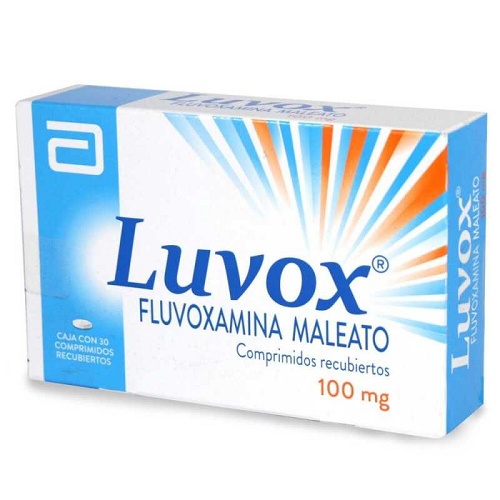
Luvox (Fluvoxamine) in the United States: A Comprehensive Guide for Patients and Families
Luvox (fluvoxamine) is a prescription-only medication in the United States. It cannot be obtained legally without a valid prescription from a licensed healthcare provider. Over-the-counter sales are not permitted. Always use a legitimate pharmacy with a prescription to obtain Luvox safely.
Key Takeaways
- Luvox (fluvoxamine) is approved in the United States for the treatment of obsessive-compulsive disorder (OCD) and is sometimes prescribed off-label for depression and other conditions.
- A prescription from a licensed U.S. healthcare provider is required.
- Most people start to notice improvement within 1–4 weeks, but full effects may take longer.
- Common side effects include nausea, sleep changes, and headache; serious risks include suicidal thoughts, especially in young people.
- Luvox can interact dangerously with certain medications and substances, including some antidepressants and alcohol.
- If you experience worsening mood, agitation, or new symptoms, contact your doctor immediately.
How Does Luvox Work? Scientific and Simple Explanation
Luvox contains fluvoxamine maleate, a selective serotonin reuptake inhibitor (SSRI). It works by inhibiting the reuptake of serotonin (5-HT) in the brain, specifically blocking the action of the serotonin transporter (SERT) protein on presynaptic neurons. By doing so, it increases the concentration of serotonin in the synaptic cleft—the space between nerve cells—thereby enhancing serotonergic neurotransmission.
In scientific terms, fluvoxamine’s primary effect is the potent and selective inhibition of serotonin’s reuptake, with minimal effect on norepinephrine or dopamine transporters. Unlike some other SSRIs, fluvoxamine also moderately influences the sigma-1 receptor, which may contribute to its unique clinical effects and anxiolytic (anti-anxiety) properties (PubMed).
Simple metaphor: Imagine serotonin as a message in a bottle traveling between nerve cells. Normally, much of this message is “cleaned up” and recycled right away. Luvox blocks the recycling, so more messages remain available to be read, improving mood and reducing symptoms of depression or OCD.
Does Luvox require specific conditions to work? No special triggers are needed. Its effect is not instant; consistent daily use is required to gradually adjust brain chemistry.
Myth: Luvox works instantly to relieve depression or OCD.
Reality: Most people need 1–3 weeks, sometimes longer, before noticing benefits. Adherence is key.
Misjudging Progress: Patient Expectations vs. Real-World Treatment
In my experience, many patients expect to feel better within a few days of starting Luvox. When that doesn’t happen, they often fear the medication isn’t working or that it’s not “right” for them. What’s less understood is that improvements in mood, anxiety, or obsessive symptoms are typically gradual and may only become noticeable after two to four weeks—or even longer. Some people focus exclusively on their main symptoms, overlooking small but meaningful changes in sleep, energy, or irritability that signal early response. It’s also common for patients to question whether temporary side effects mean the drug is unsafe or unsuitable, when in fact these often resolve on their own. I always encourage patients to ask about timelines and monitoring plans, since understanding what to expect can help prevent premature discontinuation or unnecessary worry.
How to Take Luvox: Dosages and Duration
Luvox is available in immediate-release tablets (25 mg, 50 mg, 100 mg) in the United States. The usual starting dose for adults with OCD is 50 mg once daily at bedtime, increased gradually by 50 mg every several days as tolerated. The typical effective dose ranges from 100–300 mg per day, divided into 2 doses if over 100 mg per day. For depression or off-label use, dosing is often similar but determined individually by your healthcare provider.
- Maximum recommended daily dose: 300 mg for adults; lower for children and elderly.
- Elderly or those with liver impairment: Start at 25 mg daily, increase more slowly, and monitor for side effects.
- Can the tablet be split? Yes, the scored tablets can be split to help achieve lower doses if prescribed.
- When to take: With or without food, but always at the same time each day for best results.
How long before it works? First benefits may appear within 1–2 weeks, though most people need 2–4 weeks or more for full effect. If you see no improvement after 6–8 weeks, your doctor may adjust the dose or consider alternatives.
How long does it last? Luvox remains in the body for around 15–22 hours (half-life). This means missing a single dose is less likely to cause withdrawal, but consistent use is essential.
Food, Alcohol, and Lifestyle: What You Should Know
- With food:
- Luvox can be taken with or without food. Food does not significantly alter absorption or effectiveness (FDA).
- Fatty meals:
- No meaningful delay or reduction in effect is seen with high-fat meals.
- Grapefruit juice:
- Avoid grapefruit juice—it can slow metabolism of Luvox, increasing risk of side effects.
- Alcohol:
- Do not combine Luvox with alcohol. Alcohol increases drowsiness, impairs judgment, and can make depression or anxiety worse. There is no “safe” amount; even small amounts can increase risk of side effects.
- Caffeine:
- Luvox can slow caffeine breakdown, making you more sensitive to its effects (jitteriness, insomnia). Consider reducing caffeine intake.
Who Should Not Take Luvox? Contraindications Explained
Absolute contraindications:
- Use with monoamine oxidase inhibitors (MAOIs): Never combine Luvox with MAOIs (e.g. phenelzine, tranylcypromine, linezolid, methylene blue). At least 14 days must pass after stopping an MAOI before starting Luvox, and vice versa (FDA).
- Hypersensitivity: Allergy to fluvoxamine or any tablet component.
- Use with tizanidine: Strictly contraindicated; severe low blood pressure and sedation may occur.
- Concurrent use with certain psychiatric drugs: Use with pimozide or thioridazine is prohibited due to risk of fatal heart rhythm changes.
- Severe liver impairment: Dose must be reduced and frequent monitoring is required.
- Seizure disorders: Luvox can lower seizure threshold. Use only with close supervision.
- History of bipolar disorder: Risk of manic episodes may increase. Careful screening is needed.
- Pregnancy and breastfeeding: Safety is not fully established. Use only if clearly needed, after risk-benefit assessment.
- Recent heart attack or unstable heart disease: Not an absolute contraindication, but caution is advised.
- Children and adolescents: Not approved for depression in patients under 18 in the U.S.; approved for OCD in children 8 and older.
If you have any of these conditions or take these medicines, discuss alternatives with your provider.
What Side Effects Are Most Common with Luvox?
As with all medications, Luvox can cause side effects. Many resolve with continued use, but some can be serious. Below, side effects are grouped using the World Health Organization (WHO) classification.
- Very common (>1 in 10):
- Nausea
- Sleepiness (somnolence)
- Insomnia
- Headache
- Dry mouth
- Common (1 in 100 to 1 in 10):
- Dizziness
- Loss of appetite
- Upset stomach, diarrhea, constipation
- Increased sweating
- Sexual dysfunction (decreased libido, difficulty ejaculating, delayed orgasm)
- Rare (<1 in 1,000):
- Seizures
- Serotonin syndrome (agitation, confusion, rapid heart rate, fever, sweating, muscle stiffness)
- Low blood sodium (hyponatremia), especially in elderly
- Abnormal bleeding or bruising
- Very rare (<1 in 10,000):
- Severe allergic reactions (anaphylaxis, rash, swelling)
- Manic episodes
- Suicidal thoughts or behaviors, especially in people under 25 years old
What to do if side effects occur:
- Mild side effects: Often improve within 1–2 weeks. If persistent or bothersome, consult your doctor.
- Serious symptoms (suicidal thoughts, severe agitation, confusion, fainting, seizures, abnormal bleeding): Seek emergency help immediately.
Typical Patient Errors with Luvox and How to Avoid Them
- Stopping Luvox abruptly once feeling better. This can cause withdrawal symptoms (dizziness, anxiety, flu-like symptoms). Solution: Always taper gradually with medical guidance.
- Skipping doses or inconsistent timing. Irregular use reduces effectiveness and increases side effect risk. Solution: Set reminders and take at the same time daily.
- Doubling the next dose after a missed dose. This raises overdose risk. Solution: If you miss a dose, take it as soon as you remember unless it’s nearly time for the next dose—then skip and continue as normal.
- Mixing Luvox with unapproved herbal supplements (e.g., St. John’s Wort). This may trigger serotonin syndrome. Solution: Disclose all supplements to your doctor before starting Luvox.
- Ignoring new or worsening symptoms (e.g., agitation, suicidal thoughts). Early intervention is critical. Solution: Report these symptoms to your provider immediately.
- Not informing every doctor or pharmacist about Luvox use. Many common medicines and even over-the-counter cough remedies can interact. Solution: Always list Luvox in your medication record.
How Does Luvox Compare to Alternatives for Depression and OCD?
Other SSRIs and antidepressants are also used for depression and OCD. Here’s how Luvox compares to its main alternatives in the U.S.:
| Medication | Usual Indications | Onset of Effect | Common Side Effects | Cost (USD, per 30 tablets)* | Practical Points |
|---|---|---|---|---|---|
| Luvox (fluvoxamine) | OCD, off-label for depression | 1–4 weeks | Nausea, sleepiness, sexual dysfunction | $70–$120 (brand); $10–$25 (generic) | More drug interactions than some SSRIs |
| Prozac (fluoxetine) | Depression, OCD, anxiety | 2–4 weeks | Insomnia, agitation, sexual dysfunction | $90–$150 (brand); $10–$20 (generic) | Longer half-life; less withdrawal risk |
| Zoloft (sertraline) | Depression, OCD, PTSD, anxiety | 1–3 weeks | GI upset, insomnia, sexual dysfunction | $95–$160 (brand); $12–$30 (generic) | Fewer drug interactions |
| Anafranil (clomipramine) | OCD, depression | 2–4 weeks | Dry mouth, constipation, heart rhythm | $225–$400 (brand); $40–$90 (generic) | More side effects, caution in heart disease |
*Prices are estimates for 2026 based on GoodRx and pharmacy chains; generics are widely available.
Bottom line: Luvox is as effective as other SSRIs for OCD and is sometimes preferred for certain anxiety symptoms, but it interacts with more medications. Generic options make it affordable. Always discuss alternatives with your provider.
Luvox: Technical and Clinical Characteristics Table
| Active ingredient | Fluvoxamine maleate |
| Available strengths | 25 mg, 50 mg, 100 mg tablets |
| Formulations | Immediate-release tablets |
| Administration | By mouth (oral), with or without food |
| Typical dose (adults) | 50–300 mg daily, divided if over 100 mg |
| Half-life (T1/2) | 15–22 hours (average) |
| Storage | At room temperature (20–25°C/68–77°F), away from moisture and light |
| Manufacturer | AbbVie (brand), multiple generic manufacturers |
| Prescription required? | Yes (U.S. federal and state law) |
| Pediatric use | Approved for OCD in children 8–17 years; not for depression in under 18s |
Compatibility Checklist: Luvox with Other Medications and Products
| Product/Medication | Can It Be Combined? | Consequences |
|---|---|---|
| Acetaminophen (Tylenol) | Yes | No significant interaction |
| Ibuprofen, NSAIDs | With caution | Increased risk of GI bleeding (monitor) |
| Aspirin | With caution | Increased bleeding risk |
| MAOIs (e.g., phenelzine, tranylcypromine) | NO | Life-threatening serotonin syndrome |
| Alcohol | No | Increased sedation, worsened depression |
| St. John’s Wort | No | Risk of serotonin syndrome |
| Other SSRIs/SNRIs | No | Risk of serotonin syndrome |
| Warfarin | With caution | Monitor for bleeding; dose adjustment may be required |
| Caffeine | Limit | Increased sensitivity (jitteriness, insomnia) |
| Oral contraceptives | Yes | No significant interaction, but monitor for side effects |
Always review all medications and supplements with your doctor or pharmacist before starting Luvox.
Pharmacokinetics: How Luvox Moves through the Body
Absorption: After oral administration, Luvox is well absorbed. Peak plasma concentrations are reached in 3–8 hours.
Metabolism: It is metabolized primarily in the liver via cytochrome P450 enzymes, especially CYP2D6 and CYP1A2. This is why drug interactions are common—Luvox can slow the breakdown of other medications that use these pathways.
Elimination: Most of the drug (80–90%) is excreted by the kidneys as metabolites. The elimination half-life (T1/2) is about 15–22 hours in healthy adults, allowing for once- or twice-daily dosing.
Special Considerations: Children, Elderly, Pregnancy, and More
- Children (8–17 years): Only approved for OCD, not depression. Starting dose: 25 mg daily, increased as needed. Monitor closely for agitation or suicidal thoughts.
- Elderly: Start at lower doses (25 mg), titrate more slowly, monitor for hyponatremia and falls.
- Pregnancy: Not recommended unless benefits outweigh risks. Some studies suggest increased risk of complications, including persistent pulmonary hypertension in newborns (FDA).
- Breastfeeding: Fluvoxamine passes into breast milk. Consider alternatives or monitor infant for side effects.
- Driving and machinery: Luvox may cause drowsiness or decreased alertness, especially in the first weeks. Do not drive or operate heavy machinery until you know how it affects you.
- Fertility: No evidence of permanent effects on fertility, but sexual side effects (libido, arousal) are common during treatment.
Original vs. Generic Luvox: Is There a Difference?
Original Luvox (brand name): Manufactured by AbbVie. Comes in white, scored tablets labeled with dose and brand name, sealed in blister packs with official labeling.
Generic fluvoxamine: Approved by the FDA as bioequivalent. Appearance (color, shape, imprint) and packaging may differ, but the active ingredient and efficacy are the same. Main difference is usually cost.
- Inactive ingredients: Generics may contain different binders or dyes, rarely causing allergic reactions. Notify your doctor if you have known sensitivities.
- Advantages of generics: Major cost savings, same clinical effect if sourced from a licensed pharmacy.
Myth: Generic fluvoxamine is less effective than the original Luvox.
Reality: FDA-approved generics must meet the same standards for quality, safety, and effectiveness as brand-name drugs (FDA).
Quality Check: How to Identify Genuine Luvox in the U.S.
- Packaging: Brand-name Luvox comes in blister packs labeled with the manufacturer (AbbVie), dose, and lot number. U.S. pharmacy bottles should have a tamper-evident seal and clear labeling.
- Tablet: Tablets are white or off-white, scored, and imprinted with the dose and brand or generic identifier.
- Verification: Many pharmacies now include QR codes on prescription bottles or receipts for authentication. Check with your pharmacist if unsure.
- Labeling: All U.S. prescription medications must include patient name, prescribing doctor, pharmacy information, and FDA-required warnings.
How to Avoid Counterfeit and Gray-Market Luvox
- Unusually low price: Counterfeiters often lure buyers with prices much lower than legitimate pharmacies. If it seems too good to be true, it probably is.
- Non-U.S. packaging: Avoid “international” or “gray market” products not FDA-approved for the U.S.
- Missing or altered lot numbers, spelling errors, foreign language labeling: All are red flags for counterfeiting.
- No prescription required: Any website offering Luvox without a prescription is operating illegally and may sell counterfeits or unsafe substitutes.
- Why generics are safe (if U.S.-approved): FDA oversight ensures safety and efficacy. Only buy generics from licensed U.S. pharmacies.
How to Choose a Safe Online Pharmacy in the United States
- Look for VIPPS accreditation: The National Association of Boards of Pharmacy (NABP) verifies legitimate U.S. online pharmacies through the VIPPS program.
- Prescription requirement: Legal pharmacies always require a valid prescription. Avoid sites offering to “supply” or “sell” Luvox without one.
- Check for a U.S. address and phone number: Reputable online pharmacies list their corporate headquarters and provide a working customer service line.
- Beware of unsolicited offers or spam: These are common tactics of rogue sellers and counterfeiters.
- Never buy from overseas “pharmacies” or marketplace platforms: U.S. customs may seize these products, and they are not subject to FDA oversight.
Step-by-Step: How to Legally Obtain Luvox in the U.S.
- Consultation: Schedule an appointment with a qualified healthcare provider (psychiatrist, primary care, or via telehealth) to discuss your symptoms and medical history.
- Diagnosis and plan: Your provider will determine if Luvox is appropriate, considering possible benefits, risks, and alternatives.
- Prescription: If indicated, a prescription is issued—either electronically (e-prescribe) or by paper.
- Pharmacy fulfillment: Fill your prescription at any licensed U.S. pharmacy (local or online). For online pharmacies, upload or have your doctor send the prescription directly.
- Review instructions: The pharmacist will counsel you on use, side effects, and any special precautions.
- Ongoing monitoring: Schedule regular follow-ups with your provider to assess response, adjust dose, and monitor for side effects.
What to Do in Case of Accidental Overdose
- Stop taking Luvox immediately.
- Call emergency services (911 in the United States) or your local poison control center (1-800-222-1222).
- Inform the medical professional about the exact dose(s) taken, timing, and any symptoms.
- Do not try to induce vomiting or treat yourself at home. Emergency medical attention is needed.
Symptoms of overdose: Nausea, vomiting, rapid or irregular heartbeat, confusion, agitation, fainting, seizures. Prompt care can save lives.
Psychological Support: You’re Not Alone
Depression, OCD, and related conditions are common and treatable. It’s normal to feel overwhelmed or uncertain. Many people benefit from a combination of medication, therapy, and support from loved ones. Don’t hesitate to discuss your symptoms with your doctor, a mental health professional, or a trusted friend.
Questions Patients Often Ask Doctor
- How will I know if Luvox is working for me?
- Initial improvements may be subtle—better sleep, more energy, reduced irritability, or fewer obsessive thoughts. Full symptom relief can take 4–6 weeks. We track progress using symptom scales and regular check-ins.
- What if I don’t feel better after a month?
- We may consider increasing the dose, switching medications, or adding psychotherapy. Some people need longer to respond, but it’s important not to change treatment too soon without medical advice.
- Are sexual side effects permanent?
- No, but they can persist as long as you take the medication. If they are bothersome, we can discuss dose adjustment or alternative treatments.
- Will I have to take Luvox forever?
- Not necessarily. Many people use Luvox for 6–12 months after symptoms improve, then taper under supervision. Those with recurrent depression or severe OCD may need longer-term therapy.
- Should I be worried about weight gain?
- Weight gain is less common with Luvox than with some other antidepressants, but lifestyle habits (diet, activity) also play a role. We’ll monitor your weight and help address any changes.
- How often should I follow up?
- Usually every 2–4 weeks at first, then less frequently once stable. Contact your provider if you notice new or worsening symptoms at any time.
- What happens if I need surgery or another new medication?
- Always inform every provider that you take Luvox. Some medications used in surgery or for acute illness can interact, and doses may need to be adjusted.
Clinical Assessment of Luvox by a U.S. Doctor
In my clinical opinion, Luvox is particularly valuable for patients with obsessive-compulsive disorder, especially when symptoms are severe or have not responded to other SSRIs. Its efficacy for depression is well-established, though in the United States, it’s not the first-line SSRI for major depressive disorder due to its higher potential for drug interactions. I consider Luvox for patients who may benefit from its unique effect on anxiety-related symptoms, or for those who have experienced intolerable side effects with other antidepressants. However, patients on multiple medications, those with complex health conditions, or elderly patients require careful assessment and frequent monitoring due to interaction risks and slower drug clearance. If a patient develops persistent side effects or insufficient improvement after a reasonable trial period, I may recommend switching to an alternative agent. The decision to continue, adjust, or change therapy should always be individualized, weighing both clinical response and quality of life.
Frequently Asked Questions about Luvox in the United States
- Is Luvox approved for depression in the United States?
- Luvox is FDA-approved for obsessive-compulsive disorder (OCD). It is sometimes prescribed “off-label” for depression, but other SSRIs are more commonly used for that indication in the U.S.
- Do I need a prescription to get Luvox in the U.S.?
- Yes, a valid prescription from a licensed U.S. healthcare provider is required. It is illegal to sell or buy Luvox without a prescription.
- How long does it take for Luvox to start working?
- Most people notice some improvement within 1–4 weeks. Full effects, especially for OCD, may take 4–8 weeks of consistent use.
- What’s the average cost of Luvox in the U.S.?
- Brand-name Luvox typically costs about $70–$120 for 30 tablets. Generic fluvoxamine is much less expensive, usually $10–$25 for the same amount. Prices vary by pharmacy and insurance coverage.
- Can I take Luvox with other antidepressants?
- No, combining Luvox with other SSRIs, SNRIs, or MAOIs is dangerous and can cause serotonin syndrome. Only combine as directed and monitored by your doctor.
- Is Luvox habit-forming or addictive?
- No, it is not considered physically addictive, but sudden discontinuation can cause withdrawal symptoms. Always taper under medical supervision.
- Can Luvox be used during pregnancy?
- Use during pregnancy should be carefully considered. There may be risks to the fetus, so discuss benefits and possible alternatives with your provider.
- What should I do if I miss a dose?
- If you forget a dose, take it as soon as you remember unless it is almost time for your next dose. Do not double up to make up for missed doses.
- Are there alternatives if Luvox doesn’t work for me?
- Yes, several other SSRIs and antidepressants are available. Your doctor will help you select an appropriate alternative based on your symptoms and treatment history.
- Is it safe to buy Luvox from online pharmacies?
- Only use U.S.-licensed online pharmacies that require a prescription. Avoid overseas or unverified sellers to reduce the risk of counterfeit or unsafe medications.
References
- U.S. Food and Drug Administration. Luvox (fluvoxamine maleate) label. Accessed May 2026. FDA
- Mayo Clinic. Fluvoxamine (Oral Route) Description and Brand Names. Accessed May 2026. Mayo Clinic
- National Institutes of Health (NIH). Fluvoxamine. U.S. National Library of Medicine: Drug Information Portal. Accessed May 2026. NIH
- U.S. National Library of Medicine. PubMed. Fluvoxamine Pharmacology and Interactions. Accessed May 2026. PubMed
- AbbVie Inc. Luvox Prescribing Information. Accessed May 2026. AbbVie
- National Association of Boards of Pharmacy. Find a VIPPS-accredited Pharmacy. Accessed May 2026. NABP
- ClinicalTrials.gov. Fluvoxamine studies and trial results. Accessed May 2026. ClinicalTrials.gov