
- Home/
- Buy Mirtazapine at Low Price in the United States
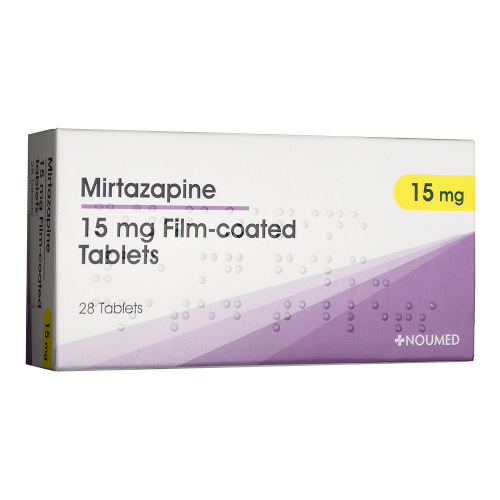
| Name of medication | Mirtazapine |
|---|---|
| Main therapeutic use | Treatment of major depressive disorder |
| Core compound | Mirtazapine |
| Dosage strengths available | 15 mg, 30 mg, 45 mg tablets (standard in United States) |
| How soon effects start | Initial improvement may be noticed within 1–2 weeks; full therapeutic effect often by 4–6 weeks |
| Typical duration per dose | Approximately 24 hours (once-daily dosing) |
| Usual dosing pattern | One dose each evening, with or without food |
| Prescription status (U.S.) | Prescription only (FDA-approved) |
| Estimated retail price range | $10–$80/month (generic); may vary by pharmacy and insurance |
Mirtazapine for Depression: Guidance, Safety, and Access in the United States
Mirtazapine is a prescription antidepressant used in the United States to treat major depressive disorder and related conditions. It acts on specific brain chemicals to help relieve symptoms of depression and is legally available when prescribed by a licensed healthcare provider. Understanding whether Mirtazapine is appropriate for your situation, how it works, and what to expect is essential for making an informed decision about your treatment path.
Depression: How Common Is It and Why Does It Matter?
Depression is not a sign of weakness or something that can simply be “snapped out of.” It is a recognized medical condition, and in the United States, it is among the most frequent mental health diagnoses. According to the National Institute of Mental Health (NIMH), in 2021, approximately 21 million adults in the U.S. experienced at least one major depressive episode—representing 8.3% of the adult population. These numbers highlight that depression is widespread and affects people from every walk of life. Effective treatments are available, and addressing depressive symptoms early can significantly improve quality of life and long-term outcomes.
How Mirtazapine Addresses Depression: Mechanism and What You May Notice
- Physiological mechanism: Mirtazapine works by increasing the levels of two key neurotransmitters in the brain—serotonin and norepinephrine. It does so by blocking specific receptors (α2-adrenergic and certain serotonin receptors) that normally decrease the release of these mood-regulating chemicals.
- Practical consequence: By enhancing these neurotransmitters, Mirtazapine can help lift mood, improve sleep, and increase appetite—symptoms frequently disturbed in depression.
Most people begin to notice some improvement in sleep or anxiety within one to two weeks of starting treatment, but it may take up to four to six weeks for full mood benefits to be realized. Unlike some antidepressants, Mirtazapine is often less likely to cause sexual dysfunction and may be beneficial for those struggling with insomnia or weight loss related to depression.
Is Mirtazapine the Right Choice? Practical Scenarios
| Your situation | Is Mirtazapine suitable? | Reasoning |
|---|---|---|
| Difficulty sleeping or loss of appetite with depression | Often recommended | Mirtazapine’s sedative and appetite-stimulating effects can address these symptoms directly. |
| History of significant weight gain or metabolic issues (e.g., diabetes, obesity) | Consider alternatives | Mirtazapine may increase appetite and weight, which could worsen metabolic health. |
| Previous side effects (like sexual dysfunction) from other antidepressants | Potentially advantageous | Mirtazapine tends to cause fewer sexual side effects compared to SSRIs or SNRIs. |
| Currently taking multiple medications with risk of drug interactions | Requires careful review | Mirtazapine generally has fewer drug interactions, but some combinations may still present risks—consult your prescriber. |
| Diagnosed with bipolar disorder (without a mood stabilizer) | Not recommended alone | Using antidepressants like Mirtazapine without a mood stabilizer can increase risk of triggering mania. |
The suitability of Mirtazapine depends on your unique medical history, current symptoms, and other medications. A healthcare provider will consider these factors to help you choose the safest and most effective treatment.
How to Take Mirtazapine: Real-World Guidance
Mirtazapine is usually taken once daily, preferably in the evening due to its sedating effect. Tablets can be taken with or without food; however, if you experience stomach upset, taking them after a meal may help. Consistency—taking it at the same time each day—helps maintain steady medication levels and maximizes benefit.
- If you miss a dose: Take it as soon as you remember—unless it’s nearly time for the next dose. Do not double up to “catch up.”
- If no improvement after several weeks: Inform your healthcare provider. Sometimes a dose adjustment or a switch in medication is needed.
- Stopping Mirtazapine: Never stop abruptly without medical advice—sudden discontinuation may cause withdrawal symptoms such as irritability, nausea, or poor sleep.
- Normal effects: Increased sleepiness (especially when starting), improved appetite, and gradual lifting of mood are expected. Drowsiness typically lessens over time.
- What requires attention: Any new or worsening thoughts of self-harm, confusion, severe allergic reaction (rash, swelling, difficulty breathing), or signs of mania (unusual excitement, racing thoughts) should prompt immediate medical attention.
“Each patient responds a bit differently to Mirtazapine. It’s important to monitor how you feel and report any concerning changes promptly. When in doubt, ask your doctor rather than trying to adjust the medication yourself.”
— Dr. Jamie Turner, Board-Certified Psychiatrist
Who Should Not Use Mirtazapine? Understanding Contraindications
Mirtazapine is not appropriate for everyone. The main groups for whom it is contraindicated include:
- Known hypersensitivity to Mirtazapine or any tablet ingredient: Because of the risk of severe allergic reactions, this medication should be avoided.
- Concurrent use with monoamine oxidase inhibitors (MAOIs): This combination can cause dangerous increases in serotonin levels, risking serotonin syndrome.
- Recent heart attack (myocardial infarction): Mirtazapine may alter blood pressure or heart rhythm, which can complicate recovery.
- Severe liver impairment: The medication is metabolized in the liver; compromised function may lead to toxicity.
If you have rare hereditary problems of galactose intolerance or glucose-galactose malabsorption, some Mirtazapine formulations may not be suitable. Always review your medical history with your doctor to ensure this medication is safe for you.
Potential Side Effects: What to Expect and When It’s Serious
- Common and usually temporary: Drowsiness, increased appetite, weight gain, and dry mouth. These often resolve or decrease as your body adjusts.
- Less frequent but may persist: Dizziness, constipation, mild swelling, or vivid dreams.
- Rare and serious (seek urgent care): Signs of allergic reaction (rash, hives, swelling of face/tongue, difficulty breathing), confusion, hallucinations, or symptoms of serotonin syndrome (fever, sweating, tremor, agitation, rapid heartbeat).
If you or someone you know experiences sudden breathing difficulty, severe confusion, or loss of consciousness while taking Mirtazapine, call 911 immediately. The Poison Help line in the United States is 1-800-222-1222.
Most side effects are mild and transient, but always err on the side of caution—contact your healthcare provider if you are unsure about any reaction.
Medication Interactions: What You Need to Know
Mirtazapine generally has a lower risk of significant drug interactions compared to some other antidepressants, but there are still important considerations:
- MAO inhibitors: As noted earlier, do not use together—risk of serotonin syndrome.
- CNS depressants (e.g., alcohol, benzodiazepines): Combining can intensify drowsiness and impair coordination.
- Other serotonergic medications: Such as SSRIs, SNRIs, triptans, or tramadol—may increase serotonin syndrome risk.
- Carbamazepine or phenytoin: May reduce levels of Mirtazapine, decreasing effectiveness.
- Warfarin: Potential for altered blood thinning—monitoring may be needed.
Always provide your full medication and supplement list to your prescriber before starting Mirtazapine. If you start or stop any other medication, notify your healthcare provider to check for new interactions.
How Does Mirtazapine Compare? Alternatives and Their Place
| Medication | Benefits | Common limitations | When preferred |
|---|---|---|---|
| Mirtazapine | Sedating (aids sleep), low sexual side effects, stimulates appetite | PROMOTES weight gain, sedation can be excessive for some | Depression with insomnia or weight loss, sexual side effect concerns |
| SSRI (e.g., sertraline, fluoxetine) | Well-tolerated, minimal weight gain, widely studied | Sexual dysfunction, possible insomnia or agitation in some | First-line when weight gain is a concern, or patient prefers activating medication |
| Bupropion | No sexual or weight gain side effects, may boost energy | Can worsen anxiety, risk of seizures in predisposed people | When low energy or sexual side effects are key concerns |
| Venlafaxine/Duloxetine (SNRIs) | Effective for both depression and certain pain syndromes | Increased blood pressure, nausea, withdrawal symptoms if missed | Depression with chronic pain or when SSRIs are ineffective |
No single antidepressant is best for every individual. Mirtazapine’s unique profile makes it especially suitable for patients experiencing both depression and difficulty sleeping or eating. Those concerned about potential weight gain or excessive sedation may find SSRIs or bupropion a better fit. Honest discussion with a healthcare provider will help clarify which medication aligns with your needs and medical background.
What It Costs in United States: The Full Picture
| Cost item | Amount | Note |
|---|---|---|
| Physician visit / telehealth consultation | $75–$250 | Varies by insurance, in-person vs. remote, and location |
| Prescription (if required separately) | $0–$25 | Some clinics include in visit; some pharmacies charge a fee |
| Mirtazapine tablets (generic) | $10–$80/month | Depends on dosage, pharmacy, and insurance coverage |
| Delivery (mail-order pharmacy) | $0–$20 | Many insurance or programs offer free standard shipping |
| Total | $85–$375 (first month); $10–$100 (following months) | Minimum reflects generic + telehealth/insurance; maximum covers in-person, uninsured scenario |
In most cases, insurance or patient assistance programs can significantly reduce out-of-pocket costs. Some online platforms offer bundled telemedicine and prescription delivery for convenience. Be aware that Mirtazapine is a prescription-only medication in the United States—selling or buying it without a valid prescription is not legal, though some online providers facilitate telemedicine consultations as part of the purchase process. Always ensure you use a licensed source to protect your health and privacy.
What Else Might You Wonder?
- Is a generic version as effective as the brand name? Yes—FDA regulations ensure that approved generic Mirtazapine is equivalent in safety and efficacy to the brand-name product.
- Can I drink alcohol while on Mirtazapine? It’s best to avoid alcohol, as it can intensify drowsiness and risk impairment. Moderate intake should be reviewed with your doctor.
- Will insurance cover my prescription? Most commercial and government insurance plans cover generic Mirtazapine. Copays and deductibles vary; check with your insurer or pharmacy.
- If I feel better, can I stop the medication? Even if symptoms improve, stopping suddenly can cause withdrawal symptoms. Any dose changes or discontinuation should be supervised by your healthcare provider.
- Who regulates Mirtazapine in the U.S.? The U.S. Food and Drug Administration (FDA) is responsible for approving and monitoring antidepressant medications, including Mirtazapine, for safety and effectiveness.
If you have additional questions specific to your health or situation, reach out to your prescribing clinician or pharmacist for personalized guidance.