
- Home/
- Buy Pamelor Online in the United States Safely and Conveniently
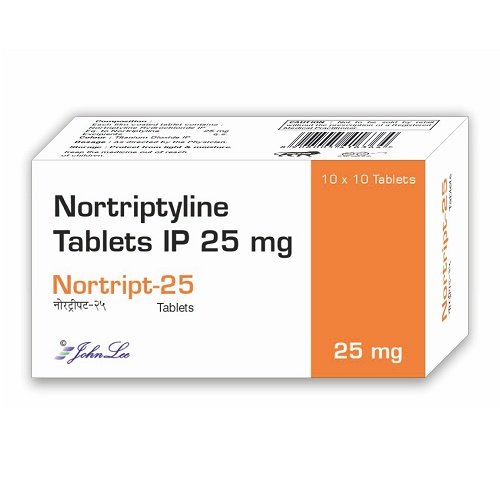
Pamelor (Nortriptyline) for Depression: The Ultimate Clinical Guide for United States Patients
Can Pamelor be obtained without a prescription in the United States?
No, Pamelor (nortriptyline) is a prescription-only medication in the United States. It cannot be legally obtained without a valid prescription from a licensed healthcare provider.
Key Takeaways: What Every Patient Needs to Know About Pamelor
- Pamelor is most suitable for adults diagnosed with major depressive disorder, often when first-line treatments are not effective or tolerated.
- Therapeutic effects may take 2 to 4 weeks to become noticeable; immediate improvement is rare.
- A prescription is required in the United States, and only licensed pharmacies may dispense it—both in person and via telehealth services.
- Pamelor can cause significant side effects and drug interactions, especially in older adults or those with heart problems—close medical supervision is essential.
- Patients should seek medical advice promptly if they experience chest pain, rapid heartbeat, confusion, or unusual mood changes.
- This medication addresses symptoms of depression but is not a cure for the underlying causes; non-drug therapies remain important.
How Does Pamelor (Nortriptyline) Work in the Body?
Pamelor’s active ingredient, nortriptyline, is classified as a tricyclic antidepressant (TCA). It primarily works by inhibiting the reuptake of two key neurotransmitters in the brain: norepinephrine and, to a lesser degree, serotonin. By blocking the transporters that remove these chemicals from the synaptic cleft (the space between nerve cells), nortriptyline increases their levels at nerve endings, enhancing neurotransmission involved in mood regulation.
On a molecular level, nortriptyline binds to the norepinephrine transporter (NET) and, less potently, the serotonin transporter (SERT), reducing their activity. This results in higher concentrations of norepinephrine and serotonin available to stimulate receptors in the central nervous system.
Nortriptyline also has a moderate affinity for muscarinic, histaminic, and alpha-adrenergic receptors, explaining many of its side effects (such as dry mouth, drowsiness, and blood pressure changes).
Metaphor: Think of nortriptyline as a “traffic cop” that slows down the removal of certain messengers (norepinephrine and serotonin) from the crossroads in your brain, ensuring that more of these mood-enhancing signals remain available for longer, potentially improving mood and energy.
Does Pamelor require specific triggers or conditions to work? No, Pamelor acts independently of external triggers, but its benefits become evident only with consistent daily use over several weeks.
When Expectations Meet Reality: A Physician’s Insights Into Patient Experiences With Pamelor
As a clinician, I’ve seen many patients assume that starting an antidepressant like Pamelor will lead to rapid or dramatic improvement. In reality, the initial weeks are often marked by frustratingly slow progress—or even a temporary increase in fatigue or anxiety before benefits emerge. Some patients mistake side effects for worsening depression, while others stop treatment if they don’t “feel better” within the first week. It’s also common for individuals to focus on mood alone, overlooking improvements in sleep or appetite that often occur first. Few patients ask about how to monitor subtle changes, or about the importance of combining medication with therapy and lifestyle support. A key challenge is bridging the gap between clinical expectations and the lived experience of recovery, which is rarely linear.
What Is the Standard Dosage and How Should Pamelor Be Taken?
Initial Adult Dose: The recommended starting dose for depression is usually 25 mg taken one to four times daily, with the dose typically increased gradually based on response and tolerance. For most adults, the effective range is 75-150 mg per day in divided doses or as a single bedtime dose (especially if sedation is desired).
- Maximum daily dose should not exceed 150 mg in adults.
- Older adults and adolescents usually start at lower doses (10–25 mg, 1–3 times daily) due to increased sensitivity and risk of side effects.
- Tablet splitting: Pamelor tablets may be split if scored, but always follow your prescriber’s instructions.
- Duration of effect: While blood levels stabilize within several days, clinical improvement in mood may take two to four weeks or longer.
- Missed dose: Take as soon as remembered unless near time for the next dose. Do not double up.
Peak effect: Antidepressant effect is typically observed after consistent use for 2–4 weeks. Side effects may appear sooner.
Does Food, Alcohol, or Lifestyle Affect Pamelor’s Absorption and Safety?
- Food: Pamelor can be taken with or without food. Food does not significantly affect its absorption, but taking it with a light meal may reduce stomach upset.
- Alcohol: Strictly avoid alcohol while taking Pamelor, as alcohol increases the risk of sedation, impaired coordination, and potentially dangerous interactions affecting heart rhythm or breathing.
- Grapefruit juice: No clinically significant interaction is known with grapefruit juice and nortriptyline; however, always discuss dietary habits with your provider.
- Caffeine: No major interaction, but excessive caffeine may increase anxiety or disturb sleep—monitor your response.
Myth vs Reality:
Myth: “I can drink moderate amounts of alcohol with Pamelor since it’s not a controlled substance.”
Reality: Even a single drink can unpredictably increase side effects or lead to dangerous sedation.
For Whom Is Pamelor Contraindicated? Absolute and Relative Red Flags
- Absolute Contraindications (Never allowed):
-
- Concurrent use of monoamine oxidase inhibitors (MAOIs) or within 14 days of stopping an MAOI—risk of life-threatening serotonin syndrome.
- Recent (within the past 14 days) myocardial infarction (heart attack).
- Known hypersensitivity to nortriptyline or other TCAs.
- Acute recovery phase after a heart attack (due to risk of arrhythmia).
- Relative Contraindications (Use with caution):
-
- History of cardiac arrhythmias, heart block, or prolonged QT interval.
- Severe liver dysfunction (slowed drug metabolism increases toxicity risk).
- History of seizures or epilepsy.
- Urinary retention, prostatic hypertrophy, or glaucoma (due to anticholinergic effects).
- Bipolar disorder—risk of switching to mania.
- Serious suicidal ideation (risk of overdose toxicity).
Why these restrictions? TCAs like Pamelor can slow cardiac conduction, trigger arrhythmias, worsen narrow-angle glaucoma, and cause urinary retention. Overdose is particularly dangerous and potentially fatal, especially in individuals with cardiac risk factors.
What Side Effects Are Most Common With Pamelor?
Side effects with Pamelor (nortriptyline) are dose-dependent and can be divided by frequency:
- Very Common (>1 in 10): Dry mouth, constipation, drowsiness, dizziness.
- Common (1 in 100 to 1 in 10): Blurred vision, increased appetite, weight gain, trouble urinating, excessive sweating, orthostatic hypotension (drop in blood pressure upon standing), tremor, sexual dysfunction.
- Rare (1 in 1,000 to 1 in 100): Heart rhythm disturbances (arrhythmias), confusion (especially in elderly), mania/hypomania, skin rash, photosensitivity.
- Very Rare (<1 in 10,000): Blood disorders (agranulocytosis), severe allergic reactions, seizures, liver dysfunction, neuroleptic malignant syndrome.
Mechanisms: The most common side effects, like dry mouth and constipation, are due to anticholinergic activity—nortriptyline blocks muscarinic receptors throughout the body, reducing secretions and slowing gut movement.
What to do if side effects occur? Mild symptoms (dry mouth, mild constipation) can often be managed or will improve with time. Seek urgent medical attention if you experience chest pain, fainting, severe confusion, rapid heartbeat, or signs of an allergic reaction.
Pamelor: What Patients Frequently Do Wrong (and How to Avoid It)
- Stopping medication abruptly when feeling better—this can trigger withdrawal symptoms or relapse. Always taper under medical supervision.
- Taking sporadically or missing doses—this reduces effectiveness and may delay improvement. Use reminders or pill organizers to improve adherence.
- Mixing with alcohol or sedatives—even moderate consumption can amplify drowsiness, impair coordination, and increase risk of falls or overdose.
- Not reporting new symptoms (e.g., palpitations or confusion)—early recognition of adverse effects prevents serious complications.
- Doubling up on a missed dose—this increases side effect and toxicity risk; always skip and resume scheduled dosing.
- Using over-the-counter medications without informing their provider—many common drugs interact with nortriptyline (e.g., antihistamines, decongestants).
- Assuming all tablets are the same strength—different dosages exist; always check the label and use exactly as prescribed.
How Does Pamelor Compare With Closest Alternatives?
In clinical practice, Pamelor (nortriptyline) is often compared to other tricyclic antidepressants (such as amitriptyline) and to newer antidepressant classes like selective serotonin reuptake inhibitors (SSRIs) and serotonin-norepinephrine reuptake inhibitors (SNRIs). Here’s a structured comparison:
| Drug Name | Typical Starting Dose | Onset of Effect | Common Side Effects | Cost per 30 Tablets* |
|---|---|---|---|---|
| Pamelor (nortriptyline) | 10–25 mg up to 3–4x daily | 2–4 weeks | Dry mouth, drowsiness, constipation | $16–$45 (generic) |
| Elavil (amitriptyline) | 25–50 mg daily | 2–4 weeks | Dry mouth, sedation, weight gain | $13–$40 (generic) |
| Sertraline (Zoloft; SSRI) | 25–50 mg daily | 1–4 weeks | Nausea, diarrhea, insomnia | $12–$25 (generic) |
*Estimated retail price range as of 2026 for generics (actual prices may vary by region and pharmacy).
- Bottom line: Pamelor may be preferred when sedation is needed or if SSRIs are not tolerated, but newer antidepressants generally have fewer side effects and overdose risks.
Technical Reference Table: Pamelor Product Information
| Parameter | Value |
|---|---|
| Active Ingredient | Nortriptyline hydrochloride |
| Formulations | Capsules (10 mg, 25 mg, 50 mg, 75 mg) |
| Route of Administration | Oral |
| Usual Adult Dose Range | 25–150 mg per day |
| Time to Peak Plasma | 2–8 hours |
| Half-life (T1/2) | 16–90 hours (average ~30 hours) |
| Storage | Store at room temperature, 20–25°C (68–77°F) |
Pamelor Compatibility With Other Medications and Products
| Product/Medication | Can it be combined? | Consequences/Notes |
|---|---|---|
| Selective serotonin reuptake inhibitors (SSRIs) | No | Risk of serotonin syndrome |
| MAO inhibitors (MAOIs) | STRICTLY NO | Life-threatening risk (wait 14 days after stopping MAOI) |
| Alcohol | No | Increases sedation, overdose risk |
| Diphenhydramine (Benadryl) | No | Potentiates anticholinergic effects |
| NSAIDs (e.g., ibuprofen) | With caution | Monitor for increased side effects |
| Oral contraceptives | Yes | No significant interaction |
Step-by-Step: How to Legally Obtain Pamelor in the United States
- Consultation: Schedule an appointment with a primary care provider, psychiatrist, or qualified mental health specialist—available in major U.S. cities and via telehealth platforms.
- Assessment: Undergo a comprehensive evaluation, including mental health screening and review of current medications, allergies, and health history.
- Prescription: If appropriate, the provider will issue an electronic or paper prescription for Pamelor, specifying dosage and instructions.
- Pharmacy Fulfillment: Present your prescription at a licensed pharmacy—many large chains in the U.S. offer in-person and mail-order services. Some telemedicine platforms can transmit the prescription directly to your preferred pharmacy.
- Pharmacist Counseling: The pharmacist will review your medication, potential interactions, and answer your questions before dispensing.
- Follow-up: Attend regular follow-ups with your provider (typically every 2–4 weeks at first) to monitor effectiveness and side effects.
Note: U.S. law prohibits sale of prescription antidepressants without a valid prescription; beware of non-licensed online sellers.
Doctor Answers: Practical Clinical Questions About Pamelor
- What should I expect during my first weeks on Pamelor?
- Most patients experience mild side effects before noticing improvement in mood or energy. Sleep, appetite, or anxiety may improve first. It’s important to be patient, as full benefits can take several weeks.
- How will my provider monitor my progress?
- Monitoring typically includes assessing mood, daily functioning, and side effects, plus checking blood pressure, heart rate, or performing ECGs in some cases. Blood levels of nortriptyline may be measured if response or side effects are problematic or if drug interactions are suspected.
- Why am I being asked about my heart or family history?
- Tricyclic antidepressants can affect heart rhythm, so your doctor needs to rule out conditions that might increase your risk of serious cardiovascular side effects.
- Will I become dependent on Pamelor?
- Pamelor is not addictive in the way drugs of abuse are, but stopping suddenly can lead to withdrawal symptoms. Always taper under medical supervision.
- Is it safe to combine Pamelor with psychotherapy?
- Yes, medication and psychotherapy are often more effective together. Combining the two can help address underlying causes of depression and improve coping skills.
- Can I drive or operate machinery while taking Pamelor?
- Pamelor may cause drowsiness or blurred vision, especially during the first weeks. Until you know how it affects you, avoid driving or hazardous activities.
- What should I do if I need surgery or dental work?
- Inform your surgeon or dentist that you are taking nortriptyline. Some anesthetic agents or medications may interact with it, requiring dose adjustments.
Pharmacokinetics of Pamelor: How Is It Processed and Eliminated?
Absorption: Nortriptyline is well absorbed from the gastrointestinal tract, with peak blood concentrations occurring 2–8 hours after a dose.
Distribution: The drug is highly protein-bound in plasma, allowing sustained release into tissues.
Metabolism: Nortriptyline is extensively metabolized in the liver, primarily by cytochrome P450 isoenzymes (notably CYP2D6). Genetic variations in these enzymes can affect drug levels and response.
Elimination: The primary route is via the kidneys as metabolites, with an average half-life of 16–90 hours.
Implication: Patients with liver or kidney impairment may require dose adjustments to avoid toxicity.
Special Populations: Safety Considerations for Pamelor Use
- Older adults: Increased risk of side effects (confusion, falls, cardiac issues). Lower starting doses and slower titration are standard; closely monitor for delirium or arrhythmia.
- Children/adolescents: Not typically first-line; risk of suicidal ideation may be increased (see FDA Black Box Warning).
- Pregnancy: Use only if benefits outweigh risks; not linked to major birth defects, but neonatal withdrawal may occur.
- Breastfeeding: Nortriptyline is excreted in breast milk at low levels; caution advised, but some guidelines consider it compatible with nursing.
- Driving/Machinery: May impair coordination and reaction time, especially when starting treatment or increasing dose.
- Fertility: No evidence of direct impact on fertility, but sexual side effects are possible.
Original vs. Generic Nortriptyline: Are Generics as Good as Brand-Name Pamelor?
Brand-name Pamelor and generic nortriptyline contain the same active ingredient and are considered equivalent in efficacy and safety according to FDA standards. Generics may use different excipients (inactive ingredients) such as fillers, binders, or dyes. Rarely, these can cause allergic reactions or slight differences in absorption, but this is uncommon.
- Pros of generics: Substantially lower cost, wide availability, insurance coverage often favors generics.
- Cons: Some patients may have allergies to specific excipients. Pill appearance (color, shape) may differ, but this does not affect efficacy.
Myth vs Reality:
Myth: “Generics are less effective than brand-name drugs.”
Reality: Generics must meet the same FDA bioequivalence standards as the original product.
How to Identify Genuine Pamelor and Avoid Counterfeits
Authentic Pamelor:
- Pamelor capsules are typically blue and orange, with clear scoring and imprint codes (e.g., “Pamelor 25”).
- Packaging should display the manufacturer’s logo, lot number, expiration date, and the NDC (National Drug Code).
- In the U.S., some pharmacies may provide bottles with QR codes or tamper-evident seals.
- Generic nortriptyline may differ in color or shape, but labeling must match FDA-approved standards.
- Unusually low price, inconsistent pill color, or missing manufacturer information.
- Packaging in non-English or missing U.S. regulatory markings.
- Lack of tamper-evident seals or ambiguous expiration dates.
Online Pharmacy Safety: How to Choose a Legitimate Pharmacy in the United States
- Only use online pharmacies that are licensed in the U.S. and require a valid prescription—look for accreditation by NABP (National Association of Boards of Pharmacy) or the “VIPPS” seal.
- Red flags include: No prescription required, no pharmacist contact info, prices far below average, no U.S. address, or unsolicited email offers.
- Check the FDA’s BeSafeRx page for information on online pharmacy safety.
- Avoid websites based outside the U.S. or lacking clear regulatory oversight to reduce the risk of counterfeit or substandard products.
What Should I Do If Pamelor Does Not Work For Me?
- First, do not stop taking the medication abruptly—speak with your provider about your concerns.
- It may take 4–6 weeks for full benefits; sometimes, dose adjustments or combination with psychotherapy help.
- If side effects are intolerable or no improvement occurs, your doctor may recommend switching to another medication or approach.
- Never adjust your dose or add other antidepressants without professional guidance.
Pamelor Overdose: Immediate Steps to Take
- Stop taking Pamelor immediately.
- Call 911 or your local emergency number for urgent medical help.
- Tell emergency responders: The exact dose, time taken, and any other substances consumed.
- Do not induce vomiting unless instructed by medical professionals.
- Bring the medication container to the hospital or emergency department.
Overdose can result in life-threatening arrhythmias, seizures, and coma. Early intervention is critical.
Quality Check: What Should Authentic Pamelor Look Like?
- Capsules are typically blue and orange, with clear imprint codes (e.g., “Pamelor 25”).
- Packaging in the U.S. includes manufacturer’s label, NDC, lot number, and expiration date.
- Official generics feature FDA-approved imprints and labeling, though color and shape may vary.
- Pharmacy bottles may include a QR code or tamper-evident seal.
- Suspicious or nonstandard packaging, unclear printing, or missing regulatory information may indicate counterfeiting.
Psychological Support: You’re Not Alone in Managing Depression
Depression is a common and treatable condition in the United States. Reaching out for help is a sign of strength, not weakness. If you’re struggling, consider discussing your symptoms with your provider, a mental health professional, or a trusted support person. You’re not alone—millions are on this journey, and effective help is available.
doctor’s Clinical Assessment: Who Is Likely to Benefit Most From Pamelor Therapy?
In my clinical experience, nortriptyline (Pamelor) is best suited for adults with moderate to severe depression who have not responded well to newer antidepressants like SSRIs or SNRIs, or for those who require additional sedative effects to manage insomnia. It’s particularly valuable when anxiety or chronic pain coexists with depression. However, patients with significant heart disease, a history of arrhythmia, or those at high risk of overdose are not ideal candidates and may benefit from safer alternatives. Elderly patients require vigilant monitoring due to increased sensitivity and risk of confusion or falls. I also favor non-pharmacological therapies where appropriate, and I carefully reassess treatment if no improvement is seen after six weeks or if side effects outweigh potential benefits. Ultimately, the choice to use Pamelor should be individualized, balancing its therapeutic potential against its side effect profile and patient-specific risks.
Frequently Asked Questions About Pamelor in the United States
- How long does it take for Pamelor to start working?
- Pamelor often requires 2–4 weeks of daily use before mood improvement is noticeable. Some symptoms, such as improved sleep or appetite, may improve sooner, but full benefits may take longer.
- Can Pamelor be used for conditions other than depression?
- While primarily approved for depression, nortriptyline is sometimes prescribed off-label for neuropathic pain, migraine prevention, or anxiety—always under close medical supervision.
- Do I need a prescription for Pamelor in the United States?
- Yes. It is illegal and unsafe to obtain Pamelor without a valid prescription from a licensed U.S. healthcare provider.
- What should I do if I miss a dose of Pamelor?
- Take the missed dose as soon as you remember, unless it is close to your next scheduled dose. Do not double up. Resume your usual schedule and inform your provider if you miss multiple doses.
- Is it safe to drink alcohol while taking Pamelor?
- No. Alcohol increases the risk of sedation, impaired coordination, and dangerous interactions with nortriptyline. Combining the two can be harmful or even life-threatening.
- Are there generic versions of Pamelor available?
- Yes. FDA-approved generic nortriptyline is widely available and considered equivalent in efficacy and safety.
- How much does Pamelor cost in the U.S.?
- Generic nortriptyline costs typically range from $16 to $45 for a 30-tablet supply, depending on strength and pharmacy. Insurance may lower out-of-pocket costs.
- What are the most serious side effects to watch for?
- Seek immediate help for chest pain, palpitations, severe confusion, fainting, or signs of allergic reaction (rash, swelling, difficulty breathing).
- How should Pamelor be stored?
- Keep at room temperature (68–77°F), out of reach of children, and away from moisture or heat.
- Can I buy Pamelor from an online pharmacy?
- Only from U.S.-licensed, accredited online pharmacies that require a prescription. Beware of illegitimate sellers offering prescription drugs without a valid prescription.
References
- FDA. (2026). Approved Drug Products: Nortriptyline. https://www.fda.gov/
- Mayo Clinic Staff. Nortriptyline (oral route). Mayo Clinic. Accessed 2026. https://www.mayoclinic.org/
- National Institute of Mental Health. Depression: Overview, Treatment, and Medication. https://www.nimh.nih.gov/
- National Association of Boards of Pharmacy (NABP). Online Pharmacy Accreditation. https://nabp.pharmacy/
- BeSafeRx: Your Source for Online Pharmacy Information (FDA). https://www.fda.gov/drugs/besaferx-your-source-online-pharmacy-information
- PubMed. Recent clinical studies on nortriptyline. https://pubmed.ncbi.nlm.nih.gov/