
- Home/
- Buy Paxil Without Prescription in the United States Online
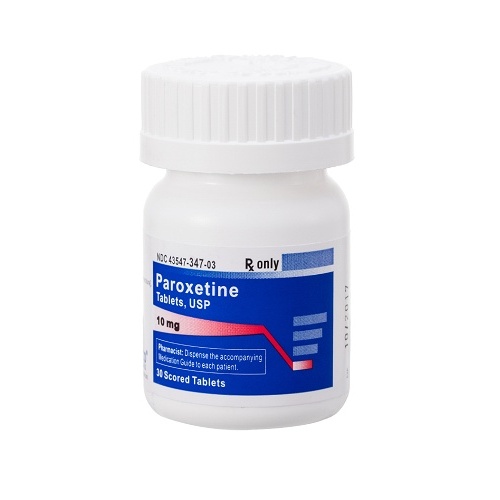
Paxil (Paroxetine) for Depression in the United States: An Evidence-Based Clinical Guide for Patients
Can Paxil Be Purchased Without a Prescription in the United States?
No, Paxil (paroxetine) is a prescription-only medication in the United States. It cannot be legally purchased without a valid prescription from a licensed healthcare provider. Over-the-counter sales and purchases from unverified sources are illegal and potentially unsafe.
Key Takeaways: What You Need to Know About Paxil
- Paxil is approved in the United States for depression, anxiety disorders, and several related conditions—prescription is mandatory.
- Improvement in mood symptoms may take 2–4 weeks; full effect often requires up to 6–8 weeks.
- Sudden discontinuation can lead to withdrawal symptoms—always consult your doctor before making changes.
- Common side effects include nausea, drowsiness, sexual dysfunction, and weight changes.
- Some people are better suited to other antidepressants—Paxil may not be right for everyone.
- If you experience suicidal thoughts or severe side effects, seek medical help immediately.
Contents
- How Does Paxil Work in the Brain?
- Expert Commentary: Real-World Expectations and Misconceptions
- How Should Paxil Be Taken? (Dosage & Timing)
- Paxil and Food, Alcohol, and Lifestyle: What’s Safe?
- Who Should Not Take Paxil? (Absolute and Relative Contraindications)
- What Side Effects Are Most Common with Paxil?
- Common Patient Mistakes That Undermine Treatment
- Paxil vs. Alternatives: How Does It Compare?
- Technical Overview: Paxil Parameters
- Compatibility Check: Paxil and Other Medications
- Special Populations: What if I Have Other Health Problems?
- How Is Paxil Metabolized and Eliminated?
- How Can I Recognize Genuine Paxil?
- Counterfeits vs. Generics: Safety and Value
- Safe Pharmacy Practices in the United States
- How to Legally Obtain Paxil: The Patient Journey
- Psychological Support: You’re Not Alone
- What to Do in Case of Overdose
- Clinical Questions: Answers from a doctor
- doctor’s Independent Clinical Assessment
- FAQ: Quick Answers
- References
How Does Paxil Work in the Brain?
Paxil contains paroxetine, classified as a selective serotonin reuptake inhibitor (SSRI). Its primary mechanism is the blockade of the serotonin transporter protein (SERT) on presynaptic neurons. By inhibiting this transporter, Paxil prevents the reabsorption (“reuptake”) of serotonin (5-HT) from the synaptic cleft back into presynaptic nerve endings.
This action results in increased serotonin levels available to stimulate postsynaptic receptors. Serotonin plays a central role in regulating mood, anxiety, appetite, and sleep. SSRIs like Paxil are thought to improve symptoms of depression and anxiety by enhancing serotonergic neurotransmission.
On a cellular level, the effect is independent of external triggers or behaviors: as long as you take the medication regularly, this mechanism works in the central nervous system. However, Paxil does not directly increase serotonin production; it prolongs the action of existing serotonin.
Simplified Metaphor: Imagine serotonin is like “mood fuel” between brain cells. Paxil acts like a gatekeeper, preventing serotonin from being cleared away too quickly, allowing the fuel to linger and do its job longer.
Paxil has minimal binding to other neurotransmitter receptors (e.g., dopamine, norepinephrine, histamine, acetylcholine), which is why its side effect profile differs from older antidepressants. Its clinical effect is not immediate—repeated use over days to weeks is required to achieve meaningful symptom relief, as neuronal adaptation is involved.
In short: Paxil works by blocking the reuptake of serotonin in the brain, leading to increased signaling and, over time, improved mood and anxiety control.
Myth: Paxil “instantly” boosts mood after the first dose.
Reality: It may take several weeks of daily use before benefits are noticed, as brain chemistry gradually adapts.
Why Expectations Often Don’t Match Reality When Starting Paxil: A doctor’s Observation
How Should Paxil Be Taken? (Dosage & Timing)
- Initial dosing for depression: Usually 20 mg once daily, taken in the morning or evening. Some individuals may start at 10 mg to minimize side effects.
- Maximum recommended dose: 50 mg per day for depression and some anxiety disorders. Do not exceed this limit without medical supervision.
- Children/Adolescents: Use is not FDA-approved for major depressive disorder in under-18s due to increased risk of suicidal thoughts (FDA black box warning).
- Elderly or patients with liver/kidney impairment: Start at 10 mg/day; do not exceed 40 mg/day. Dose adjustments are essential to avoid toxicity.
- Formulations: Tablets (10, 20, 30, 40 mg); extended-release (CR) tablets (12.5, 25, 37.5 mg).
- Administration: Take with or without food. Swallow whole; do not crush or split extended-release tablets.
- Missed dose: Take as soon as remembered unless it’s nearly time for your next dose. Do not double up.
Peak effect: Blood levels reach a steady state after 7–14 days. Clinical improvement may not be evident for 2–4 weeks or longer.
Duration: Taken daily. Continued for at least 6–12 months after symptom improvement to reduce relapse risk.
Important: Never abruptly stop Paxil—this can trigger withdrawal symptoms such as irritability, dizziness, insomnia, and flu-like symptoms. Always taper under medical guidance.
Paxil and Food, Alcohol, and Lifestyle: What’s Safe?
- Food: Food does not meaningfully affect absorption. Take with food if you experience nausea.
- Fatty meals: No clinically significant delay in effect. You may take Paxil with or without fatty meals.
- Alcohol: Not recommended. Alcohol can worsen drowsiness, impair judgment, and increase depression risk. While rare, combining the two can unpredictably enhance side effects. Most guidelines advise minimizing or avoiding alcohol while on Paxil.
- Grapefruit juice: No significant interaction with paroxetine; unlike some other antidepressants, grapefruit does not alter Paxil metabolism.
- Caffeine: No direct contraindication, but excessive caffeine can worsen anxiety or insomnia.
- Driving & machinery: Caution advised, especially in the first weeks due to possible drowsiness or impaired concentration.
Who Should Not Take Paxil? (Absolute and Relative Contraindications)
- Absolute Contraindications
-
- Concomitant use with or within 14 days of monoamine oxidase inhibitors (MAOIs): Life-threatening serotonin syndrome risk.
- Combination with thioridazine or pimozide: Risk of serious cardiac arrhythmias (QT prolongation).
- Previous severe allergic reaction to paroxetine.
- Relative Contraindications (Use with Extreme Caution)
-
- Uncontrolled epilepsy or seizure disorders: Paroxetine may lower seizure threshold.
- History of mania or bipolar disorder: Can trigger manic episodes.
- Severe liver or kidney dysfunction: Higher blood levels may occur. Dose reduction needed.
- Pregnancy (especially first trimester): Associated with increased risk of congenital heart defects; use only if benefit outweighs risk.
- Bleeding disorders or concurrent use of anticoagulants: Increased risk of bleeding due to interference with platelet aggregation.
- Recent myocardial infarction (heart attack): Use only under specialist supervision after stabilization.
Why: Many of these contraindications are related to increased serotonin or cardiac risk, potential drug interactions, and altered metabolism leading to toxicity. Always inform your clinician about all medications and health conditions before starting Paxil.
What Side Effects Are Most Common with Paxil?
- Very Common (>10%)
-
- Nausea
- Drowsiness (somnolence)
- Sexual dysfunction (decreased libido, difficulty achieving orgasm)
- Dry mouth
- Increased sweating
- Headache
- Common (1–10%)
-
- Insomnia
- Appetite or weight changes
- Dizziness
- Constipation or diarrhea
- Tremor
- Anxiety or agitation (especially early in treatment)
- Rare (<1%)
-
- Hyponatremia (low sodium in blood), especially in elderly
- Seizures
- Unusual bleeding or bruising
- Rash, allergic reactions
- Very Rare (<0.1%)
-
- Serotonin syndrome (confusion, fever, muscle rigidity, rapid heart rate; medical emergency)
- Angle-closure glaucoma
- Severe liver toxicity
Mechanism: Many side effects stem from serotonin’s effects outside the brain (e.g., gut—leading to nausea; nerves—leading to sweating; blood vessels—leading to bleeding risk).
What to do if side effects occur: Most mild symptoms fade over time. If you develop suicidal thoughts, severe allergic reactions, confusion, or uncontrollable movements, seek immediate medical help.
Real-World Errors That Undermine Paxil’s Effectiveness
- Stopping medication abruptly without medical advice: Can trigger withdrawal symptoms, including dizziness, anxiety, and irritability. Always taper under supervision.
- Skipping doses frequently, then doubling up: Leads to fluctuating blood levels, which increases side effects and reduces effectiveness. Use reminders or pill organizers to maintain regularity.
- Self-adjusting the dose in response to mood swings: Increasing or decreasing doses without guidance can be dangerous and delays stabilizing brain chemistry.
- Assuming early side effects mean treatment failure: Many side effects improve after 1–2 weeks. Patience and regular check-ins are important.
- Mixing Paxil with other serotonergic medications (e.g., St. John’s Wort, certain pain medicines) without checking for interactions: Increases risk of serotonin syndrome, a potentially life-threatening condition.
- Failing to disclose all supplements or over-the-counter medications to your provider: Even herbal products can have significant interactions with SSRIs.
Avoid these pitfalls by following your doctor’s instructions closely, and by communicating openly about any challenges with adherence or side effects.
Paxil vs. Alternatives: How Does It Compare to Other Antidepressants?
Several SSRIs and SNRIs (serotonin and norepinephrine reuptake inhibitors) are commonly prescribed for depression and anxiety in the United States. Key competitors include sertraline (Zoloft), fluoxetine (Prozac), and escitalopram (Lexapro). Below is a comparison based on clinical and practical factors:
| Medication | Onset of Action | Duration of Effect | Sexual Side Effects | Withdrawal Risk | Typical Monthly Cost* (USD) |
|---|---|---|---|---|---|
| Paxil (Paroxetine) | 2–4 weeks | 24+ hours | High | High | $5–$35 (generic); $400+ (branded) |
| Sertraline (Zoloft) | 2–4 weeks | 24+ hours | Moderate | Moderate | $4–$30 (generic); $400+ (branded) |
| Fluoxetine (Prozac) | 2–6 weeks | Longest (2–4 days T1/2) | Moderate | Low | $4–$30 (generic); $300+ (branded) |
| Escitalopram (Lexapro) | 1–2 weeks | 24+ hours | Lower | Moderate | $10–$35 (generic); $400+ (branded) |
*Estimated prices as of 2026 for typical 30-tablet supply in United States, based on generic pharmacy pricing. Insurance co-pays and assistance programs may reduce cost further.
- Paxil is more likely to cause withdrawal symptoms than most SSRIs, due to its short half-life.
- Fluoxetine has a much longer half-life, making missed doses less problematic.
- Sexual side effects are a common issue with all SSRIs, but particularly prominent with Paxil.
- Generic versions of all these medications are widely available and much less costly than brand names.
Technical Overview: Paxil Parameters
| Parameter | Value |
|---|---|
| Active Ingredient | Paroxetine hydrochloride |
| Formulations Available | Tablets (10, 20, 30, 40 mg); Extended-release tablets (12.5, 25, 37.5 mg) |
| Usual Adult Dose | 20 mg once daily |
| Maximum Dose | 50 mg per day |
| Half-life | ~21 hours (range 15–30 hours) |
| Metabolism | Liver (CYP2D6) |
| Elimination | Mainly urine (64%), some feces |
| Storage | Room temperature (20–25°C/68–77°F) |
| FDA Approval | Yes (since 1992) |
Compatibility Check: Paxil and Other Medications
| Type of Product | Can It Be Combined? | Consequences |
|---|---|---|
| MAOIs (e.g. phenelzine) | STRICTLY NO | Life-threatening serotonin syndrome |
| NSAIDs (e.g. ibuprofen) | With Caution | Increased bleeding risk |
| Warfarin/Anticoagulants | With Caution | Increased bleeding risk; monitor closely |
| St. John’s Wort | NO | Serotonin syndrome risk |
| Alcohol | Not recommended | Increased sedation, impaired judgment |
| Oral contraceptives | Yes | No significant interaction |
| Antihistamines | Yes, with caution | Increased drowsiness |
Special Populations: What if I Have Other Health Problems?
- Elderly patients: Lower starting dose (10 mg/day); higher risk of hyponatremia, falls, and bleeding. Regular monitoring is advised.
- Pregnancy: Use only if benefits outweigh risks due to potential link with congenital heart defects. Always discuss with an OB-GYN and mental health professional.
- Breastfeeding: Paroxetine passes into breast milk in low amounts; generally considered compatible, but monitor infant for side effects.
- Renal/hepatic impairment: Dose adjustment required; slower drug clearance increases risk of toxicity.
- Epilepsy/seizure disorders: Use only if absolutely necessary; seizure risk may increase.
- Bipolar disorder: SSRIs can precipitate mania; avoid unless combined with a mood stabilizer.
- Operating vehicles/machinery: Do not drive until you know how the medication affects your alertness.
- Fertility: No definitive evidence of reduced fertility, but sexual side effects may impact libido and sexual function.
How Is Paxil Metabolized and Eliminated?
Absorption: Rapidly absorbed from the gut after oral administration. Peak blood concentration occurs within 4–6 hours.
Metabolism: Extensively metabolized by the liver, primarily via the cytochrome P450 enzyme CYP2D6. Genetic differences in CYP2D6 can affect blood levels.
Elimination: Metabolites are excreted mainly in urine (up to 64%) and some in feces.
Half-life (T1/2): Approximately 21 hours in most adults (range 15–30). This means steady blood levels are achieved after about one week of daily dosing.
Clinical implication: Missing a single dose may cause withdrawal symptoms in sensitive individuals, especially due to the relatively short half-life.
How Can I Recognize Genuine Paxil?
- Packaging: Official U.S. Paxil products come in secure blisters inside labeled boxes, with “Paxil” and “paroxetine” labeling and an NDC (National Drug Code) number.
- Tablet appearance: Varies by strength. For example, 20 mg tablets are oval, white, scored, with “20” engraved on one side and “PAXIL” on the other.
- Security features: In 2026, many U.S. pharmacies and manufacturers include tamper-evident seals, batch numbers, and—sometimes—QR codes for verification, depending on packaging upgrades.
- Unusual appearance, damaged packaging, or very low prices are warning signs of counterfeiting.
- Manufacturer: Brand-name Paxil is produced by GSK (GlaxoSmithKline); generics come from multiple FDA-approved manufacturers.
Counterfeits vs. Generics: Safety and Value
Generics: These are FDA-approved medications containing paroxetine in the same dose and form as Paxil. Generics must demonstrate bioequivalence to the brand name product, meaning they have the same clinical effect and safety profile. Inactive ingredients (excipients) may differ, which can cause allergic reactions in sensitive individuals, but these differences are rare.
Counterfeits: Counterfeit products may mimic packaging but do not guarantee the correct dose or purity. They may contain no active ingredient, incorrect substances, or contaminants, posing serious health risks. A very low price or offers from unverified online sellers often signal counterfeiting or illegal imports.
- Advantage of generics: Substantially lower cost, equivalent effectiveness, and safety when approved by the FDA.
- Never buy Paxil from unknown online sources—always use licensed pharmacies verified by NABP or state authorities.
Safe Pharmacy Practices in the United States: How to Avoid Unsafe Sellers
- Use only licensed U.S. pharmacies (brick-and-mortar or online).
- Verify online pharmacies with the National Association of Boards of Pharmacy (NABP) “VIPPS” (Verified Internet Pharmacy Practice Sites) or “.pharmacy” accreditation. See: nabp.pharmacy
- Watch for warning signs: No prescription required, prices far below market average, no clear contact information, no state license displayed, or offering foreign products not approved by the FDA.
- Report suspected illegal pharmacies to the FDA’s MedWatch (FDA).
- Never import Paxil from outside the United States; this is illegal and unsafe.
How to Legally Obtain Paxil: The Patient Journey in the United States
- Step 1: Consult a Healthcare Provider
Schedule an appointment with a primary care doctor, psychiatrist, or certified telehealth provider specializing in mental health. - Step 2: Medical Assessment
The doctor will evaluate your symptoms, check for underlying medical conditions, and determine if Paxil is appropriate. - Step 3: Prescription Issuance
If indicated, your provider will write a prescription specifying the dose, duration, and monitoring plan. - Step 4: Filling the Prescription
Take your prescription to a licensed U.S. pharmacy (physical or NABP-accredited online). Insurance, co-pay, or manufacturer assistance programs may help cover the cost. - Step 5: Ongoing Monitoring
Attend follow-up visits to discuss response, side effects, and make any necessary adjustments. - Telehealth Option: Many U.S. states allow initial psychiatric prescriptions via telemedicine, enabling you to see a provider remotely for evaluation and follow-up.
Psychological Support: You’re Not Alone
Depression and anxiety are among the most common mental health issues in the United States—and are highly treatable. Many people feel isolated or ashamed, but seeking help is a sign of strength, not weakness. Combining medication with therapy, support groups, or open discussion with loved ones often leads to the best outcomes. Remember: You are not alone, and effective help is available.
What to Do in Case of Overdose
- Stop taking Paxil immediately.
- Call 911 or your local emergency number.
- Provide information: Tell emergency personnel exactly what was taken, how much, and when.
- Do not try to self-treat or induce vomiting unless instructed by poison control or a medical professional.
- Bring medication packaging with you to the emergency room if possible.
Symptoms of overdose can include: severe drowsiness, vomiting, rapid heartbeat, seizures, uncontrollable movements, or loss of consciousness. Prompt medical attention can be life-saving.
Questions Patients Often Ask doctor About Paxil Therapy
- How soon will I start to feel better after starting Paxil?
- It’s common not to notice improvement in the first 1–2 weeks. Most people see gradual benefits within 2–4 weeks, but the full effect may take 6–8 weeks. If you feel worse or have concerning side effects, let your doctor know right away.
- What should I expect during the first month of treatment?
- You may experience mild side effects before your mood improves. These often fade with time. Keep track of your symptoms, and communicate any concerns during follow-up appointments.
- Is it normal to feel emotionally “numb” or less interested in sex?
- Some people report emotional blunting or sexual side effects on Paxil. If these are problematic, discuss them with your doctor—adjustments or alternative medications may be options.
- How can we tell if Paxil is working for me?
- We monitor for improvement in your main symptoms, such as mood, motivation, sleep, and energy. Sometimes family or friends notice positive changes before you do. Regular check-ins help us assess progress.
- Will I need to take Paxil forever?
- Not necessarily. Many people use antidepressants for 6–12 months after symptom improvement, then taper off under supervision. Those with recurrent depression or severe anxiety may need longer-term therapy.
- What should I do if I miss a dose?
- Take it as soon as you remember, unless it’s almost time for your next dose. Don’t double up. If you forget often, consider using a pill organizer or setting reminders.
- Can I stop other treatments, like therapy, now that I’m on Paxil?
- Paxil treats symptoms but does not address underlying causes. Combining medication with therapy and other supports is usually most effective for long-term recovery.
doctor’s Clinical Assessment: When Is Paxil the Right Choice for Depression?
FAQ: Quick Answers About Paxil in the United States
- Is Paxil effective for all types of depression?
- Paxil is FDA-approved for major depressive disorder, several anxiety disorders, and related conditions. It may not be suitable for all depression subtypes—other treatments may be preferred for bipolar or psychotic depression.
- Do I need a prescription for Paxil in the United States?
- Yes, Paxil requires a prescription from a licensed U.S. healthcare provider. It is not legally available over-the-counter.
- How much does Paxil cost in the United States?
- Generic paroxetine typically costs $4–$35 per month. Brand-name Paxil may cost over $400 per month without insurance. Most insurance plans, including Medicaid and Medicare, cover the generic.
- Are there delivery options for Paxil in the U.S.?
- Yes. Many licensed U.S. pharmacies and telehealth services offer home delivery, provided you have a valid prescription. Always use verified providers.
- What happens if I miss a dose of Paxil?
- Take it as soon as you remember, unless it’s nearly time for your next dose. Do not double up. Consistent dosing helps maintain stable blood levels.
- Can Paxil be combined with other antidepressants?
- Usually not recommended due to increased risk of serotonin syndrome. In rare cases, specialists may combine medications with close monitoring.
- What is serotonin syndrome, and how can I avoid it?
- Serotonin syndrome is a rare but serious condition with symptoms like confusion, fever, muscle stiffness, and rapid heart rate. Avoid combining Paxil with other serotonergic drugs or supplements.
- Is it safe to drink alcohol while on Paxil?
- Alcohol is not recommended, as it may worsen drowsiness, impair judgment, and increase depression risk.
- How long should I stay on Paxil?
- Most people benefit from at least 6–12 months of continued use after symptoms improve. Your provider will help determine the right duration for you.
References
- U.S. Food and Drug Administration (FDA). Drug database. Accessed June 2026. https://www.fda.gov/
- Mayo Clinic. Paroxetine (oral route): Description and Brand Names. Updated 2026. https://www.mayoclinic.org/drugs-supplements/paroxetine-oral-route/description/drg-20065141
- National Institutes of Health (NIH). Paroxetine. U.S. National Library of Medicine. Accessed June 2026. https://pubchem.ncbi.nlm.nih.gov/compound/Paroxetine
- American Psychiatric Association. Practice Guideline for the Treatment of Patients with Major Depressive Disorder, 2023. https://www.psychiatry.org/psychiatrists/practice/clinical-practice-guidelines
- National Association of Boards of Pharmacy (NABP). Verified Pharmacy Program. Accessed June 2026. https://nabp.pharmacy/
- U.S. National Library of Medicine. DailyMed: Paxil. Accessed June 2026. https://dailymed.nlm.nih.gov/dailymed/drugInfo.cfm?setid=0a5e88c9-27cc-4790-8876-b7b5f415db0a
- PubMed. Selective serotonin reuptake inhibitors for major depressive disorder: A 2024 meta-analysis. Accessed June 2026. https://pubmed.ncbi.nlm.nih.gov/