
- Home/
- Buy Prednisolone Online in the United States Safely and Easily
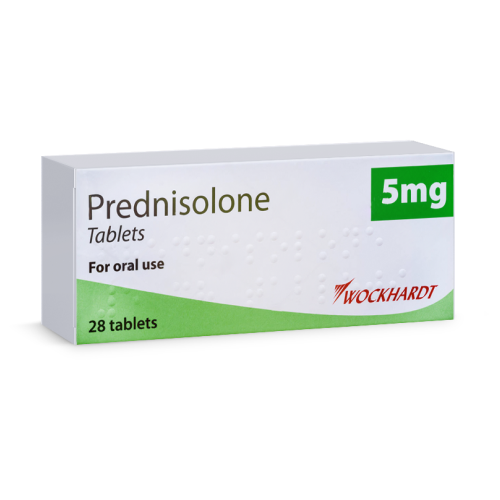
Can Prednisolone Be Purchased Without a Prescription in the United States?
No, Prednisolone cannot be legally obtained without a prescription in the United States. It is a prescription-only medication regulated by the FDA. Over-the-counter sales are not permitted, and a licensed healthcare professional must evaluate you and provide a prescription based on your medical needs.
Key Takeaways: What You Need to Know About Prednisolone
- Prednisolone is most suitable for short-term and long-term management of moderate to severe inflammatory and autoimmune conditions when prescribed by a physician.
- Therapeutic benefits typically begin within hours to days, but lasting improvement may take several days depending on the condition.
- The most important safety concern is the risk of serious side effects with improper dosing or long-term use—close medical supervision is essential.
- A valid prescription from a U.S. healthcare provider is required to obtain Prednisolone from any pharmacy in the United States.
- Prednisolone is effective for reducing inflammation, but it treats symptoms, not the underlying causes of disease.
- Consult a doctor promptly if you experience new or worsening symptoms, signs of infection, or side effects such as mood changes, vision problems, or high blood pressure.
How Does Prednisolone Work? Scientific Mechanism and Easy Explanation
Prednisolone is a synthetic glucocorticoid that acts primarily by binding to the glucocorticoid receptor inside cells. Once bound, the prednisolone-receptor complex moves into the cell nucleus, where it regulates the expression of specific genes. These genes control the production of proteins involved in inflammation, immune response, and metabolism.
Biochemically, prednisolone inhibits phospholipase A2 and reduces the synthesis of pro-inflammatory mediators like prostaglandins and leukotrienes. It also suppresses cytokine release and prevents the migration of white blood cells to inflamed tissues, dampening the body’s immune response.
Metaphor: Think of prednisolone as a master “dimmer switch” for the body’s immune and inflammatory responses. Instead of turning everything off, it lowers the intensity to prevent damage from unchecked inflammation.
Prednisolone does not require external triggers to work; its anti-inflammatory action is independent of disease type but depends on proper dosing and body condition.
When “Feeling Better” Doesn’t Mean the Underlying Problem Is Solved: Clinical Observations on Prednisolone Use
As a physician, I’ve often observed that patients expect rapid and complete symptom relief after starting prednisolone. Many assume that if they feel better within days, the problem is gone and it’s safe to stop the drug. In reality, prednisolone frequently masks symptoms without curing the underlying disease. Patients rarely ask what happens after stopping therapy or whether their condition requires long-term monitoring. I urge patients to focus on the entire treatment plan—medication, follow-up, and lifestyle adjustments—rather than chasing immediate comfort. Misunderstanding the “masking” effect leads to premature discontinuation, missed relapses, or overlooked side effects. If you’re prescribed prednisolone, ask your doctor what success should look like, what signals to watch for, and how progress will be tracked, beyond just “feeling better.”
How Should Prednisolone Be Taken? Detailed Instructions and Timing
Prednisolone dosing is highly individualized and must be determined by your physician based on your diagnosis, severity, age, and concurrent conditions. Below is a general guide; always follow your doctor’s exact instructions.
- Standard starting adult dose: 5 mg to 60 mg per day, depending on the condition. Acute inflammatory conditions (e.g., asthma, severe allergies) may require higher initial doses, often split into two or more divided doses.
- Maximum daily dose: Doses above 80 mg/day are rare and only used under specialized supervision. Do not exceed prescribed dose.
- For children: Doses are lower and calculated by weight/body surface area.
- Duration: Short-term (3–14 days) for acute flares; long-term for chronic management, often with gradual tapering.
- Elderly or those with liver/kidney issues: May require lower starting doses and slower titration.
- Tablet splitting: Most immediate-release tablets may be split if scored, but check your specific product. Some long-acting or coated tablets must not be split or crushed.
- Peak effect: Within 1–2 hours after oral administration. Anti-inflammatory effect may take several hours or days to reach full strength.
- Best time to take: Once-daily doses are usually taken in the morning (to mimic the body’s natural cortisol cycle), with or after food to reduce stomach irritation.
Never stop prednisolone abruptly if you have been on it for more than 2–3 weeks, as this can cause serious adrenal insufficiency. Always follow your doctor’s tapering plan.
What Should I Know About Food, Alcohol, and Lifestyle While Taking Prednisolone?
- Food: Take with food or milk to minimize stomach upset. High-fat meals do not significantly change absorption, but taking on an empty stomach may increase irritation.
- Alcohol: While moderate alcohol is not strictly forbidden, it increases the risk of gastric irritation and stomach ulcers, especially with regular or high-dose use. It’s safest to avoid alcohol entirely while on prednisolone.
- Grapefruit juice: No specific interaction is documented with prednisolone, but it may affect metabolism of some other steroids. When in doubt, discuss with your doctor.
- Other substances: Caffeine, spicy foods, and NSAIDs (e.g., ibuprofen) increase gastrointestinal risk when combined with prednisolone.
- Vaccines: Live vaccines (e.g., measles, mumps, rubella) should be avoided during and shortly after high-dose therapy.
- Weight and bone health: Watch for increased appetite and weight gain, and maintain calcium/vitamin D intake if using for more than a few weeks.
Myth vs Reality: Myth: Taking prednisolone with food “blocks” its absorption. Reality: Food reduces stomach upset but does not meaningfully reduce absorption or effectiveness.
Who Should Not Take Prednisolone? Absolute and Relative Contraindications
Absolute Contraindications:
- Systemic fungal infections (e.g., candidiasis, cryptococcosis): risk of fatal spread of infection.
- Live vaccines: Should not be administered during high-dose therapy due to severe infection risk.
- Known severe allergy to prednisolone or its excipients.
- Uncontrolled psychosis or acute psychiatric illness.
Relative Contraindications (require careful risk/benefit consideration):
- Uncontrolled hypertension, diabetes, or peptic ulcer disease: Prednisolone can worsen these conditions.
- History of tuberculosis: May reactivate latent TB; screening and prophylaxis may be needed.
- Recent heart attack (myocardial infarction): Increases risk of complications; usually deferred for at least 2–4 weeks unless absolutely necessary and under specialist care.
- Glaucoma or cataracts: May worsen intraocular pressure or cataract progression.
- Severe osteoporosis: Increases fracture risk.
- Pregnancy and breastfeeding: Only if benefit clearly outweighs risk, and under close monitoring.
Why are these restrictions important? Prednisolone suppresses the immune system and alters the body’s stress response, which can worsen infections, mask symptoms, or exacerbate underlying health problems.
What Side Effects Are Most Common with Prednisolone?
Side effects vary by dose, duration, and individual susceptibility. Below is the WHO classification by frequency.
- Very Common (>1 in 10):
-
- Increased appetite, weight gain
- Insomnia or mood swings (anxiety, irritability, euphoria)
- Elevated blood sugar (hyperglycemia)
- Fluid retention (swelling in legs or face)
- Indigestion, heartburn
- Common (1 in 100–10):
-
- High blood pressure
- Muscle weakness
- Acne, facial flushing
- Delayed wound healing
- Increased risk of infections
- Rare (1 in 1,000–10,000):
-
- Psychosis, delirium
- Stomach ulcers or bleeding
- Glaucoma, cataracts
- Osteonecrosis (bone damage)
- Very Rare (<1 in 10,000):
-
- Severe allergic reaction (anaphylaxis)
- Adrenal crisis after sudden discontinuation (life-threatening)
- Pseudotumor cerebri (high pressure in the skull, especially in children)
What to do if side effects occur? Contact your doctor immediately for severe symptoms (e.g., vision changes, confusion, severe swelling, signs of infection). For mild symptoms (e.g., heartburn), report at your next appointment. Never stop prednisolone suddenly unless advised by your physician.
Typical Patient Mistakes When Using Prednisolone: How to Avoid Them
- Stopping prednisolone suddenly after more than two weeks of use. This can cause adrenal insufficiency, with fatigue, low blood pressure, or even shock. Always follow your doctor’s tapering plan.
- Taking doses at varying times or skipping doses. This disrupts the body’s natural hormone rhythm and may make side effects or flare-ups worse. Take it at the same time daily, preferably in the morning.
- Ignoring early signs of infection or masking symptoms. Prednisolone suppresses fevers and inflammation, so infections may be less obvious but more dangerous. Report new symptoms promptly, even if mild.
- Using non-steroidal anti-inflammatory drugs (NSAIDs) like ibuprofen or aspirin without checking with your doctor. This increases the risk of stomach ulcers and bleeding. Tell your doctor about all over-the-counter medications and supplements you use.
- Not monitoring blood pressure, blood sugar, or eye pressure during long-term use. Keep all medical appointments and requested lab tests.
- Assuming all side effects are “normal” or “harmless.” Some adverse effects, like severe mood changes or vision problems, require immediate attention.
How Does Prednisolone Compare With Other Anti-Inflammatory Medications?
Below is a structured comparison between prednisolone and two other corticosteroids commonly used in the United States: prednisone and methylprednisolone. Prices are approximate, based on 2026 U.S. market estimates for generic oral tablets at standard strengths.
| Medication | Onset Speed | Duration | Common Side Effects | Estimated Price per 10mg Tablet (USD) | Notes |
|---|---|---|---|---|---|
| Prednisolone | Rapid (1-2 hours) | 12–36 hours | Weight gain, mood changes, fluid retention | $0.40–$1.00 | Preferred in liver impairment |
| Prednisone | Slower (requires liver activation) | 12–36 hours | Similar to prednisolone | $0.20–$0.80 | Not ideal in severe liver disease |
| Methylprednisolone | Rapid | 12–36 hours | Similar, but slightly lower sodium retention | $0.70–$1.30 | Often used IV in hospitals |
Bottom line: Prednisolone is preferred if liver function is compromised because it is already in the active form. Otherwise, all three are effective, and choice depends on individual circumstances and availability.
Technical Characteristics of Prednisolone: At-a-Glance Table
| Parameter | Value |
|---|---|
| Available strengths (oral) | 1 mg, 5 mg, 10 mg, 20 mg, 50 mg |
| Formulations | Tablet, oral liquid, ophthalmic drops |
| Half-life (plasma) | 2–4 hours; biological effect: 12–36 hours |
| Metabolism | Primarily liver (CYP3A4 pathway) |
| Elimination | Kidneys (urine, as inactive metabolites) |
| Storage | Room temperature (68–77°F), away from light and moisture |
| Prescription status (U.S.) | Prescription only |
Compatibility of Prednisolone With Other Medications and Products
| Type of Product | Can It Be Combined? | Consequences |
|---|---|---|
| NSAIDs (e.g., ibuprofen, aspirin) | Caution | Increased risk of stomach ulcers/bleeding |
| Live vaccines | STRICTLY NO | Dangerous infection risk |
| Blood thinners (warfarin) | Monitor closely | May increase or decrease anticoagulant effect |
| Antidiabetic medications | Monitor closely | May raise blood sugar; adjust diabetes meds |
| Alcohol | Caution | Increased GI and liver risk |
| Calcium/vitamin D supplements | Yes | May help prevent bone loss |
Always inform your physician and pharmacist about all medications, supplements, and herbal products you are taking to reduce the risk of dangerous interactions.
How Is Prednisolone Metabolized and Eliminated? Pharmacokinetics Simplified
- Absorption: Well absorbed after oral administration; peak levels reached in 1–2 hours.
- Metabolism: Prednisolone is primarily metabolized in the liver by the CYP3A4 enzyme system. Liver impairment may slow clearance and increase toxicity risk.
- Elimination: Inactive metabolites are excreted mainly via the kidneys. In kidney impairment, accumulation risk is lower but possible with very high doses.
- Plasma half-life: 2–4 hours, but biological effects last much longer (12–36 hours) due to changes in gene expression.
- Special consideration: In severe liver disease (cirrhosis, hepatitis), prednisolone clearance is reduced, so lower doses and careful monitoring are required.
Myth vs Reality: Myth: Prednisolone “leaves the body quickly, so side effects disappear right away.” Reality: While the plasma half-life is short, biological effects linger for many hours or even days.
Special Considerations: Prednisolone in Specific Patient Populations
- Children: Susceptible to growth suppression with long-term use; strict monitoring required.
- Elderly: Higher risk of osteoporosis, diabetes, and confusion; often require lower doses.
- Pregnancy: Only if benefit outweighs risk; short-term use is generally considered less risky than long-term. May increase risk of fetal growth restriction and cleft palate (first trimester).
- Breastfeeding: Small amounts appear in breast milk. Discuss with your doctor; avoid high doses.
- Impaired liver/kidney function: Dose reduction or alternative therapy may be needed.
- Immunocompromised conditions (HIV, cancer): Heightened infection risk; close monitoring necessary.
- Operating machinery/driving: Prednisolone itself does not generally impair ability, but severe mood changes, insomnia, or vision problems may impact safety. Use caution if you experience these side effects.
- Fertility: No direct evidence that prednisolone impairs fertility in men or women, but long-term use may affect hormonal balance.
Original vs Generic Prednisolone: What’s the Difference?
- Original brands (e.g., Millipred, Orapred) vs generics: Both contain the same active ingredient and must meet the FDA’s strict equivalence standards for efficacy and safety.
- Excipients (inactive ingredients): May differ. Some generics use different fillers, dyes, or binders, which rarely—but possibly—cause allergies or intolerances.
- Cost: Generics are typically 30–80% less expensive than brand-name products.
- Efficacy: No meaningful difference in clinical response if FDA-approved.
- How to choose: If you have allergies to dyes or specific fillers, request your pharmacy’s ingredient list.
Advantage of generics: Significant cost savings with the same expected therapeutic benefit. Always ensure your generic is FDA-approved and dispensed by a licensed U.S. pharmacy.
How to Verify Authentic Prednisolone in the United States
- Packaging: U.S.-market tablets should arrive in a sealed bottle or blister pack with drug name, strength, NDC (National Drug Code), and manufacturer’s name.
- Tablet appearance: Consistent color, shape, and imprint. Most have a unique number or logo engraved.
- Labeling: English-language labeling, FDA approval, and pharmacy labeling with patient’s name and prescription details.
- Security features: Many manufacturers now print QR codes or holograms on packaging—scan with your phone to verify legitimacy.
- Physical defects: Do not use tablets that are chipped, crumbling, discolored, or have altered markings.
- Pharmacy verification: Only use licensed U.S. pharmacies, whether in-person or online.
How to Avoid Counterfeit Prednisolone and Identify Quality Generics
- Unusually low price: If the cost is far below average, especially online, suspect a counterfeit or illegally imported product.
- Misspelled labels, missing batch/expiration details, or foreign language packaging are common signs of counterfeit.
- Source: Always check that the pharmacy is state-licensed (see next section for verification tips).
- Generics: FDA-approved generics are as effective as branded versions. Differences are limited to excipients (inactive ingredients), with rare cases of intolerance.
- Reporting: If you suspect counterfeit or have a reaction to a new generic, report it to the FDA’s MedWatch program.
How to Choose a Safe Online Pharmacy for Prednisolone in the United States
- Verification: Use only online pharmacies certified by the National Association of Boards of Pharmacy (NABP) and listed on safe.pharmacy.
- Red flags: Pharmacies that do not require a prescription, offer foreign-branded tablets, or have no physical address/license are unsafe.
- Accreditation: Look for the VIPPS seal or other state authority accreditation.
- Consumer protection: A legitimate pharmacy will require your doctor’s prescription, provide pharmacist consultation, and offer U.S.-sourced products with FDA labeling.
- Risks of unregulated sellers: High risk of counterfeit, sub-potent, or contaminated medication, leading to therapy failure or harm.
Psychological Support: Managing Chronic Inflammation and Medication Needs
Chronic inflammatory conditions are common, and needing medication is not a sign of personal failure. Many people feel isolated or frustrated when facing long-term therapy. If you’re feeling overwhelmed, talk with your doctor, a mental health professional, or a support group. Open conversations with trusted family or friends can also help you cope with ongoing treatment needs.
What to Do in Case of Prednisolone Overdose: Immediate Steps
- Stop taking prednisolone immediately.
- Call 911 or your local emergency number in the United States.
- Inform emergency personnel about the exact dose (mg and number of tablets) and timing.
- Bring the medication container with you if going to the hospital.
- Do not try to vomit or take remedies on your own unless directed by medical professionals.
Prednisolone overdose can cause psychiatric symptoms, electrolyte imbalances, and adrenal crises. Prompt emergency care is critical.
How to Get Prednisolone in the United States: Step-by-Step Guidance
- Consult a licensed healthcare provider: Schedule an appointment with your primary care doctor, specialist, or via a telemedicine service for evaluation.
- Medical assessment: The provider will review your symptoms, perform necessary exams or lab tests, and determine if prednisolone is appropriate.
- Prescription issuance: If indicated, the doctor writes a prescription specifying dose, duration, and instructions.
- Pharmacy fulfillment: Present your prescription at a licensed U.S. pharmacy (retail or mail-order). The pharmacy will verify and dispense your medication.
- Pharmacist counseling: You receive usage instructions, possible side effects, and counseling on interactions from the pharmacist.
- Monitoring: Attend all recommended follow-up visits and lab checks during therapy.
Clinical Questions Patients Ask doctor: Practical Insights
- How do I know if prednisolone is working for me?
- Relief of your primary symptoms (e.g., swelling, pain, breathing problems) should begin within a few days, though improvement may be gradual. Your doctor will help set specific goals and monitor progress with exams or lab tests.
- Is it normal to feel mood changes or trouble sleeping when starting prednisolone?
- Mood swings and insomnia are common, especially at higher doses. If these interfere with your daily life, contact your physician to discuss possible dose adjustments or additional support.
- How long can I safely take prednisolone?
- This depends on your underlying condition. For short-term use (days to a few weeks), serious risks are unlikely. If long-term therapy is needed, your doctor will use the lowest effective dose and monitor for side effects.
- What should I do if I start feeling sick or develop a fever while on prednisolone?
- Because prednisolone can suppress typical signs of infection, report any new symptoms—no matter how mild—to your physician promptly. You may require additional evaluation or temporary dose change.
- How will my treatment be monitored?
- Regularly scheduled follow-ups, blood pressure checks, blood sugar tests, and sometimes eye exams will be used to monitor for side effects and ensure effectiveness. Stay in close contact with your healthcare provider.
- Can I get vaccines while taking prednisolone?
- In general, inactivated vaccines are safe, but live vaccines should be avoided during high-dose or long-term therapy. Always consult your doctor before vaccination.
- If I miss a dose by a few hours, should I double up?
- No. Take your dose as soon as you remember, but never double up. If it’s almost time for your next dose, skip the missed dose and continue as scheduled.
Clinical Assessment by doctor: Who Benefits Most From Prednisolone?
In my clinical experience, prednisolone is most beneficial for patients experiencing moderate to severe inflammatory or autoimmune conditions where rapid control of symptoms is necessary, such as acute asthma exacerbations, severe allergic reactions, or autoimmune flares (e.g., lupus, rheumatoid arthritis). It is also valuable for selected cases of adrenal insufficiency or as adjunctive therapy in certain cancers. However, individuals with poorly controlled diabetes, severe osteoporosis, or a history of psychosis often face significant risks with systemic corticosteroid therapy and may require alternative approaches or more intensive monitoring. I also weigh the benefit-risk ratio carefully in elderly patients and those with a history of frequent infections. When symptoms can be managed with lower-risk options—such as non-steroidal anti-inflammatory drugs (NSAIDs), disease-modifying agents, or localized steroid therapy—these are preferable to long-term systemic steroids. My approach is to use the minimum effective dose for the shortest possible time, with frequent reassessment. If adverse effects, insufficient response, or new health changes arise, I promptly reconsider the treatment plan and discuss alternatives with the patient.
Frequently Asked Questions About Prednisolone in the United States
- Is prednisolone available over-the-counter in the United States?
- No, prednisolone requires a prescription from a licensed healthcare provider in the United States. It is not legally available without a prescription.
- How quickly does prednisolone start to work?
- Most patients begin to notice symptom improvement within 1–2 days for acute conditions, though full effect may take several days depending on the condition and dose.
- What should I do if I miss a dose of prednisolone?
- If you miss a dose, take it as soon as you remember. If it’s almost time for your next dose, skip the missed dose. Never double up. Contact your doctor if you miss multiple doses.
- How much does prednisolone cost in the United States?
- Generic prednisolone typically costs $0.40–$1.00 per 10 mg tablet, depending on manufacturer, pharmacy, and insurance coverage. Prices may vary for brands or different formulations.
- Can I use prednisolone during pregnancy or breastfeeding?
- Prednisolone may be used during pregnancy or breastfeeding if the benefits outweigh the risks. Always discuss with your doctor before starting therapy in these situations.
- What foods or drinks should I avoid while on prednisolone?
- Avoid alcohol and limit salt intake to reduce side effects like fluid retention and stomach irritation. No major food interactions exist, but take with food to prevent stomach upset.
- Can I stop prednisolone suddenly if I feel better?
- No. Abrupt discontinuation can cause serious health risks, including adrenal insufficiency. Always taper under medical supervision.
- What are the long-term risks of prednisolone?
- Long-term use increases the risk of osteoporosis, infections, high blood sugar, cataracts, and muscle weakness. Regular monitoring and preventive strategies are necessary.
- Is it safe to buy prednisolone online?
- Only if the pharmacy is licensed in the United States and requires a prescription. Avoid websites that offer to sell without a prescription or at unusually low prices.
- Can I take other medicines with prednisolone?
- Some medications, especially NSAIDs, blood thinners, and diabetes medicines, can interact with prednisolone. Always consult your doctor or pharmacist before combining medications.
References
- U.S. Food and Drug Administration (FDA). “Prednisolone Drug Information.” Accessed 2026. https://www.fda.gov
- Mayo Clinic. “Prednisolone (Oral Route): Description, Dosage, Side Effects, Precautions.” Accessed 2026. https://www.mayoclinic.org/drugs-supplements/prednisolone-oral-route/description/drg-20075215
- National Institutes of Health – PubMed. “Prednisolone – Clinical Pharmacology.” Accessed 2026. https://pubmed.ncbi.nlm.nih.gov/
- National Association of Boards of Pharmacy. “Safe Pharmacy Verification.” Accessed 2026. https://safe.pharmacy
- U.S. Centers for Disease Control & Prevention (CDC). “Guidelines for Immunosuppressive Therapy.” Accessed 2026. https://www.cdc.gov