
- Home/
- Buy Sinequan Online in the United States Easily and Securely
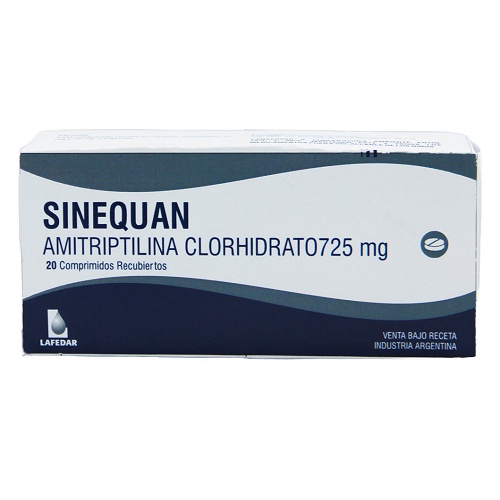
Can You Get Sinequan (Doxepin) Without a Prescription in the United States?
No, Sinequan (doxepin) is a prescription-only medication in the United States. It cannot be legally obtained without a doctor’s prescription. This applies to both in-person and online pharmacies nationwide.
Key Takeaways: What You Need to Know About Sinequan (Doxepin) in the United States
- Sinequan is approved for depression and certain anxiety disorders, but only when prescribed by a healthcare provider in the U.S.
- Most patients notice improvement in symptoms within 2–4 weeks; however, full benefit may require longer treatment.
- The most important safety issue is the risk of sedation, especially at the start of treatment or when combined with other sedatives.
- A prescription is required in all U.S. states—this includes refills and online orders.
- Sinequan may be particularly suitable for individuals whose depression is accompanied by insomnia, but is not the first-line option for everyone.
- See a doctor immediately if you experience suicidal thoughts, severe allergic reactions, or signs of overdose.
How Does Sinequan (Doxepin) Work? Understanding Its Mechanism and Pharmacology
Sinequan (doxepin) is a tricyclic antidepressant (TCA) that alters the balance of certain neurotransmitters in the brain, primarily by inhibiting the reuptake of norepinephrine and serotonin at the presynaptic neuron. This action increases the levels of these neurotransmitters in the brain’s synaptic cleft, modulating mood and emotional state.
Doxepin also has potent antagonism at histamine (H1), muscarinic acetylcholine, and alpha-adrenergic receptors. Its antihistaminic effect is responsible for its sedative properties, making it unique among TCAs for the treatment of insomnia coexisting with depression.
Metaphorically, think of your brain’s neurotransmitters as letters sent between nerve cells. Sinequan works by stopping the reabsorption of some of these letters (norepinephrine and serotonin), allowing messages to accumulate and improve the overall mood signal.
Expert Commentary: Why Symptom Relief Is Not Always Immediate with Sinequan
As a physician, I often notice that patients expect a rapid “normalizing” effect from antidepressants like Sinequan. In reality, improvement in sleep may happen sooner, but mood symptoms usually take several weeks to begin improving. Many people judge effectiveness by how alert or sleepy they feel, which can be misleading—sedation does not mean the underlying depression is resolved. Patients rarely ask how to distinguish between normal drowsiness and early signs of adverse reactions, such as confusion or agitation. Addressing these expectations early helps avoid disappointment and ensures safer, more effective treatment.
How Should Sinequan Be Taken? Dosage Regimen, Peak Effects, and Duration
Sinequan is available in capsule and oral solution formulations, with strengths ranging from 10 mg to 150 mg. The typical starting dose for adults with depression is 75 mg per day, divided into 1–3 doses, or as a single dose at bedtime when sedation is desired. Dose adjustments are common, based on response and tolerance, up to a maximum dose of 300 mg/day for severe cases. For elderly patients or those with hepatic impairment, initiate at a lower dose (e.g., 25–50 mg/day) and titrate slowly.
Peak blood concentrations are reached in about 2–4 hours after ingestion, but full therapeutic effect may require 2–4 weeks of continuous use. Tablets/capsules should be swallowed whole with water; do not split or crush unless your pharmacist confirms it is safe for your specific formulation.
Does Food, Alcohol, or Lifestyle Affect Sinequan’s Effectiveness or Safety?
Food does not significantly alter the absorption of Sinequan, but taking it with a light meal may reduce stomach upset. High-fat meals do not appreciably delay or reduce efficacy, though some patients find bedtime dosing helps minimize daytime sedation.
Alcohol is strictly discouraged. Combining Sinequan with alcohol can lead to enhanced central nervous system depression, confusion, breathing difficulties, and even life-threatening overdose.
Grapefruit juice does not significantly affect doxepin metabolism, unlike some other antidepressants.
As a general rule, avoid driving or operating machinery until you know how Sinequan affects your alertness, especially in the first weeks of treatment or after dose adjustments.
Compatibility Check: Sinequan and Common Substances
| Product Type | Can It Be Combined? | Possible Consequences |
|---|---|---|
| Aspirin | Yes | Generally safe, but monitor for GI irritation |
| Alcohol | No | Enhanced sedation, risk of overdose |
| Benzodiazepines (e.g., diazepam) | With caution | Increased CNS depression |
| MAO inhibitors | STRICTLY NO | Life-threatening serotonin syndrome |
| Grapefruit juice | Yes | No significant effect |
Who Should Not Take Sinequan? Detailed Contraindications and Red Flags
Absolute contraindications:
- Recent use of MAO inhibitors (within 14 days) due to risk of serotonin syndrome.
- Known allergy to doxepin or other tricyclic antidepressants.
- Glaucoma (especially narrow-angle), as Sinequan can increase intraocular pressure.
- Severe urinary retention or prostate hypertrophy, due to anticholinergic effects.
- Acute recovery phase after myocardial infarction.
- Seizure disorders—Sinequan can lower the seizure threshold.
- Significant liver or kidney impairment—dose adjustment is required.
- History of bipolar disorder—may increase risk of mania.
- Cardiac arrhythmias or conduction abnormalities—TCAs can worsen these conditions.
- Pregnancy and breastfeeding—use only if benefits outweigh risks.
For patients with a history of heart attack, Sinequan may be considered under strict supervision only after full cardiac stabilization, typically not before several months of recovery.
What Side Effects Are Most Common with Sinequan?
Sinequan’s side effect profile reflects its effects on multiple neurotransmitter systems. Side effects are classified according to frequency:
Very common (>1/10):- Drowsiness, fatigue
- Dry mouth
- Constipation
- Blurred vision
- Weight gain
- Urinary retention
- Increased appetite
- Confusion (especially in older adults)
- Orthostatic hypotension (drop in blood pressure upon standing)
- Cardiac arrhythmias
- Seizures
- Jaundice
- Allergic skin reactions
- Agranulocytosis (dangerous drop in white blood cells)
- Severe allergic reactions (anaphylaxis)
If you experience chest pain, severe dizziness, difficulty breathing, jaundice, or suicidal thoughts, seek emergency medical care.
The most frequent side effects, such as drowsiness and dry mouth, are related to Sinequan’s antihistaminic and anticholinergic actions. These effects often lessen over time but may persist, especially in older adults.
What to Do in Case of Overdose
- Stop taking Sinequan immediately.
- Call 911 or your local emergency services.
- Provide the medical professional with information on the dose taken and the time of ingestion.
- Do not attempt to induce vomiting unless explicitly instructed by a healthcare provider.
- Bring the medication packaging with you to the hospital if possible.
Overdose can cause life-threatening arrhythmias, seizures, severe drowsiness, coma, and respiratory depression—prompt medical attention is critical.
Common Mistakes Patients Make When Using Sinequan—and How to Avoid Them
- Stopping treatment abruptly. Many patients discontinue Sinequan as soon as they feel better, risking relapse or withdrawal symptoms. Always consult your doctor before stopping.
- Taking Sinequan at inconsistent times. Skipping doses or changing the timing can reduce effectiveness and increase side effects. Use reminders or pill organizers to maintain regular dosing.
- Combining Sinequan with alcohol or sedative medications without medical advice. This significantly raises the risk of dangerous central nervous system depression. Always check with your doctor or pharmacist before mixing medications.
- Ignoring new or worsening side effects. Some patients assume drowsiness or confusion will pass, but these may indicate a need for dose adjustment or a serious reaction. Report persistent or severe side effects promptly.
- Not monitoring blood pressure or heart rate if advised. Sinequan can cause orthostatic hypotension and arrhythmias. If your doctor recommends monitoring vital signs, follow their instructions closely.
- Missing routine follow-up visits. Regular check-ins allow for necessary dose adjustments and safety monitoring—don’t skip them, even if you feel well.
How Does Sinequan Compare with Other Antidepressants? (Competitor Analysis)
| Medication | Onset of Effect | Duration | Sedation | Typical Side Effects | Cost per Tablet (USD) |
|---|---|---|---|---|---|
| Sinequan (doxepin) | 2–4 weeks | 8–12 hours | High | Sedation, dry mouth, weight gain | $1–$3 (generic) |
| Elavil (amitriptyline) | 2–4 weeks | 8–12 hours | High | Sedation, dry mouth, cardiac effects | $0.75–$2 |
| Zoloft (sertraline, SSRI) | 2–4 weeks | 24 hours | Low | Nausea, insomnia, sexual dysfunction | $0.50–$2 |
| Desyrel (trazodone) | 2–4 weeks | 6–8 hours | Moderate | Sedation, dizziness, orthostatic hypotension | $0.50–$1.50 |
Bottom line: Sinequan is generally more sedating and often chosen for patients with depression and insomnia. Newer antidepressants like SSRIs (e.g., sertraline) are preferred when sedation is not desired and have a different side effect profile.
Doctor Answers: Practical Questions Patients Often Ask About Sinequan
- How do I know if Sinequan is working for me?
- Look for gradual improvement in mood, energy, and interest in activities over several weeks. Some people notice better sleep first. Track changes with a mood diary, and discuss progress at follow-up appointments.
- What should I do if I still feel very tired during the day?
- Daytime drowsiness is common early on. If it does not improve after a few weeks or interferes with daily life, let your doctor know. Adjusting the dosage or timing might help.
- Will I gain weight on Sinequan?
- Weight gain can occur, often due to increased appetite. Monitoring your weight, eating balanced meals, and staying active may help minimize this effect. Discuss significant changes with your doctor.
- Should I stop Sinequan if I feel better?
- No, do not stop suddenly. Doing so risks withdrawal symptoms and relapse. Work with your doctor to gradually taper the dose if it is time to discontinue.
- Is it safe to take Sinequan with my other medications?
- Always inform your doctor and pharmacist about all medications and supplements you take. Some combinations (like MAOIs, certain heart medications) are dangerous and require careful management.
- How often will I need check-ups?
- Most patients need follow-up visits every few weeks initially, then less frequently as treatment stabilizes. Some may need lab monitoring if on long-term therapy.
- Are there any lifestyle changes I should make?
- Avoid alcohol and sedatives. Stay hydrated, eat a balanced diet, and use caution when driving. If you experience any troubling symptoms, contact your healthcare provider.
Sinequan Technical Reference Table
| Parameter | Value |
|---|---|
| Active Ingredient | Doxepin hydrochloride |
| Formulations | Capsule (10, 25, 50, 75, 100, 150 mg), Oral solution |
| Typical Dose Range | 25–300 mg/day |
| Route of Administration | Oral |
| Peak Plasma Time | 2–4 hours |
| Half-life (T1/2) | 8–24 hours (varies by patient) |
| Metabolism | Liver (CYP2D6, CYP2C19) |
| Elimination | Primarily urine, some feces |
| Storage | Room temperature, protect from moisture |
What Is the Pharmacokinetics of Sinequan? Metabolism and Elimination Explained
Doxepin is absorbed through the gastrointestinal tract and undergoes significant first-pass metabolism in the liver. It is primarily metabolized by CYP2D6 and CYP2C19 enzymes. The average half-life ranges from 8 to 24 hours, but this can vary due to genetic differences in liver enzymes, age, and organ function.
The metabolites and unchanged drug are eliminated mainly via the kidneys, with a smaller amount excreted in the feces. Dose adjustments may be required for patients with liver or kidney impairment.
What Should Patients With Other Health Conditions Know About Sinequan? (Corner Cases)
- Elderly patients: Are at higher risk for confusion, falls, and heart rhythm abnormalities. Start at the lowest effective dose and monitor closely.
- Patients with epilepsy: Sinequan may increase seizure risk; use only if benefits clearly outweigh risks.
- Cardiovascular disease: Dose cautiously in patients with arrhythmias or history of heart attack. Monitor ECG as recommended.
- Pregnancy and breastfeeding: Sinequan is classified as Category C—use only if absolutely necessary. Discuss risks and benefits with your obstetrician or psychiatrist.
- Driving and operating machinery: Sinequan can cause significant drowsiness and slow reaction time. Avoid these activities until you know how you respond to the medication.
- Fertility: No evidence suggests a significant effect on human fertility, but animal studies have shown some adverse effects at high doses. Discuss family planning with your doctor if concerned.
Myth vs Reality: Does Sinequan Work Instantly?
- Myth: Sinequan starts working right away.
- Reality: While sedation can occur within hours, improvement in mood usually takes several weeks of continuous use. Patience and close follow-up are essential.
What Is the Difference Between Original Sinequan and Its Generics?
The original Sinequan is no longer under patent protection in the U.S., and generic doxepin products are widely available. Both the branded and generic versions contain the same active ingredient and are held to the same FDA standards for quality, safety, and efficacy.
- Generics: Often cost significantly less while providing the same therapeutic effect. Inactive ingredients (excipients) may differ, which can occasionally cause allergic reactions in sensitive individuals; always check the ingredient list if you have known allergies.
- Original vs Generic: No clinically significant differences in effect have been observed in large studies.
- Appearance: Generic tablets/capsules may look different in color or shape, but labeling and packaging must indicate the manufacturer and include relevant FDA approval information.
How Can You Spot a Counterfeit Sinequan in the United States?
Authentic Sinequan or generic doxepin will be dispensed in tamper-evident, professionally labeled pharmacy packaging. U.S. prescription bottles must include:
- Pharmacy name and address
- Patient name
- Prescribing doctor’s name
- Active ingredient, dose, and manufacturer
- Lot number and expiration date
- FDA-required medication guide (leaflet)
- Capsules have a clear imprint code and are sealed.
- Prescription label must match your name and your doctor’s information.
- Packaging includes U.S. FDA and manufacturer details.
- Some brands may use QR codes or holograms for verification—scan these if available.
How to Safely Obtain Sinequan: Step-by-Step Guide for Patients in the United States
- Schedule a medical evaluation: Reach out to your primary care provider or psychiatrist. Telemedicine appointments are widely available if you prefer remote consultation.
- Diagnostic assessment: The doctor will evaluate your symptoms, medical history, and current medications to determine whether Sinequan is appropriate.
- Prescription issuance: If Sinequan is indicated, you’ll receive a prescription—either electronically or as a written document—valid at any licensed U.S. pharmacy.
- Pharmacy fulfillment: Submit your prescription at your chosen pharmacy (in person or through a licensed online/mail-order pharmacy). Pharmacists will verify, dispense, and counsel you on safe use.
- Ongoing monitoring: Attend scheduled follow-ups for dose adjustment, side effect monitoring, and prescription renewal as needed.
U.S. Online Pharmacy Safety Guide: How to Protect Yourself When Filling a Sinequan Prescription Online
Only obtain Sinequan from pharmacies accredited by the National Association of Boards of Pharmacy (NABP), which display the .pharmacy or VIPPS seal. These pharmacies require a valid prescription, provide access to licensed pharmacists, and are subject to strict regulatory oversight.
Warning signs of unsafe online sellers:
- No prescription required
- Unusually low prices or offers for bulk purchases
- Lack of physical U.S. address or pharmacist contact
- Packaging or labeling in languages other than English
Psychological Support: You Are Not Alone in Facing Depression
Depression is one of the most common and treatable mental health conditions in the U.S. Many people feel isolated or ashamed, but seeking help is a sign of strength, not weakness. Consider discussing your symptoms with a trusted friend, family member, or mental health professional. Support groups and therapy, in addition to medication, can make a significant difference.
Professional Clinical Assessment: When Is Sinequan the Right Choice?
From a clinical standpoint, Sinequan (doxepin) is most beneficial for patients whose depression is significantly complicated by insomnia or anxiety, particularly when first-line antidepressants like SSRIs or SNRIs have failed or caused intolerable side effects. Its sedative properties can be an advantage for those struggling with sleep, but may be a drawback for patients requiring alertness during the day. In my experience, Sinequan may not be suitable for individuals with a high risk of falls, elderly patients prone to confusion, or those with heart rhythm disorders. For those with a history of substance abuse or suicidal ideation, alternative therapies may be safer. Choosing Sinequan is always a balance between expected benefit and individual risk factors, requiring careful initial assessment and ongoing monitoring. If treatment goals aren’t met within a reasonable time frame or side effects are problematic, a change in medication or addition of psychotherapy may be warranted.
Frequently Asked Questions About Sinequan (Doxepin) in the United States
- Is Sinequan effective for all types of depression?
- No, Sinequan is approved for major depressive disorder and certain anxiety disorders, but it is not considered a first-line therapy for all patients. Effectiveness depends on your individual symptoms and history.
- How long does it take for Sinequan to work?
- Some people feel improvement in sleep within days, but mood symptoms typically require 2–4 weeks—or longer—of continuous therapy.
- What is the usual dose of Sinequan for depression?
- The adult dose usually starts at 75 mg per day (in divided doses or at bedtime), with adjustments as needed. Maximum daily dose is generally 300 mg.
- Do I need a prescription for Sinequan in the United States?
- Yes, Sinequan is a prescription-only medication and cannot be legally purchased over the counter in any U.S. state.
- Is Sinequan available as a generic?
- Yes. Generic doxepin is widely available and meets the same FDA standards as the original brand.
- Can Sinequan be delivered to my home?
- Yes, through licensed mail-order or online pharmacies in the U.S. that require a valid prescription.
- What should I do if I miss a dose?
- Take it as soon as you remember, unless it is nearly time for your next dose. Do not double up. Consult your doctor for specific instructions.
- Are there any foods or drinks I should avoid?
- Avoid alcohol completely due to increased risk of sedation. Grapefruit juice does not significantly affect Sinequan.
- Is there a risk of dependence on Sinequan?
- Sinequan is not considered habit-forming, but sudden discontinuation may cause withdrawal symptoms. Always taper under medical supervision.
- How much does Sinequan cost in the U.S.?
- Generic doxepin typically costs between $1–$3 per tablet, depending on dose and pharmacy. Insurance may cover part or all of the cost.
- What alternatives are there if Sinequan is not suitable?
- Other antidepressants, such as SSRIs (sertraline, fluoxetine), SNRIs (venlafaxine), or other TCAs (amitriptyline), may be considered. Non-drug therapies like psychotherapy are also effective for many individuals.
References
- U.S. Food and Drug Administration (FDA), “SINEQUAN (doxepin hydrochloride) capsules: Prescribing Information,” accessed June 2026, https://www.fda.gov/
- Mayo Clinic, “Doxepin (Oral Route) Description and Brand Names,” accessed June 2026, https://www.mayoclinic.org/
- PubMed, “Doxepin: Pharmacology, Efficacy, and Adverse Effects,” accessed June 2026, https://pubmed.ncbi.nlm.nih.gov/
- National Association of Boards of Pharmacy (NABP), “Safe.Pharmacy: Protecting Patients,” accessed June 2026, https://safe.pharmacy/
- American Psychiatric Association, “Practice Guideline for the Treatment of Patients with Major Depressive Disorder,” accessed June 2026, https://www.psychiatry.org/
- ClinicalTrials.gov, “Studies on Doxepin for Depression,” accessed June 2026, https://clinicaltrials.gov/