
- Home/
- Buy Viagra in Online Pharmacy in the United States Safely Today
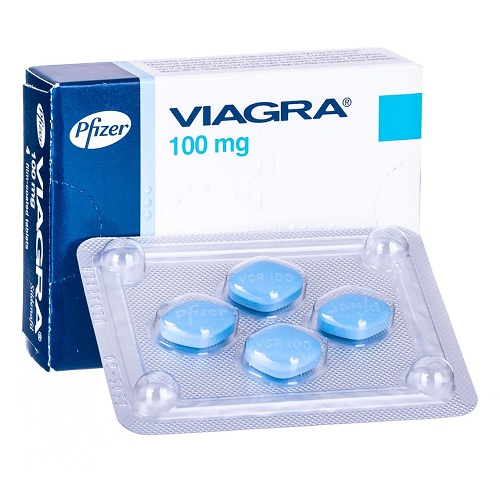
Viagra is a prescription medication used to treat Erectile Dysfunction (ED) in adult men in the United States. Its active ingredient, sildenafil, works by increasing blood flow where it matters most. Before anything else, know this: Viagra is highly effective for many — but not for everyone, and not without important caveats. Understanding when, how, and whether to use it can make the difference between success and frustration.
Why Do So Many Men in the U.S. Turn to Viagra First?
There’s a reason Viagra still dominates conversations about Erectile Dysfunction, decades after its debut. It isn’t the newest, the longest-lasting, or even the cheapest option in the pharmacy aisle. Still, when men in the United States think about treating ED, Viagra is usually top of mind. That’s not just about brand recognition—it’s about what men actually want from treatment: something that works, is predictable, and feels like getting back to normal, not starting a whole new routine.
Viagra’s reputation comes from more than just TV commercials. In the U.S., where stigma around ED remains but conversations are opening up, men want a treatment that’s both discreet and reliable. Many start here because they’ve heard from friends or seen the numbers: for most patients without complicating medical issues, Viagra works about 70% of the time (FDA data). That hit rate drives real-world choices as much as any clinical trial.
Of course, “works” means something different for everyone. For one man, it’s being able to have sex when the mood strikes; for another, it’s restoring confidence that was lost to anxiety. A third might find that Viagra doesn’t fit his style at all, due to timing or side effects. But the fact remains: the U.S. healthcare system puts Viagra first because, for many, it’s the fastest route to “what used to work, works again.”
What Taking Viagra Feels Like — Expectations vs. Reality
Ask around, and you’ll hear all sorts of stories — from “miracle drug” to “waste of money.” The truth is more nuanced. Viagra isn’t an on/off switch for erections. It doesn’t cause arousal on its own, and it isn’t instant. In practice, most men in the U.S. who respond to Viagra describe it as “taking the pressure off” — letting normal arousal result in a firmer, longer-lasting erection, often within 30 to 60 minutes of taking a dose.
- No automatic response: Viagra works only if you’re sexually stimulated. A dose before a stressful work call won’t do anything.
- Onset and duration: Expect to wait at least 30 minutes, sometimes longer after a meal. Effects typically last 4–6 hours, not all day.
- Physical effects: Some men notice facial flushing, a stuffy nose, or mild headaches. These are usually temporary and fade as the drug wears off.
What’s often misunderstood is how “natural” the results feel. Many patients report that successful use of Viagra restores confidence and reduces performance anxiety over time. But it isn’t always seamless. For some, the side effects are more noticeable than the benefits at first. Others find that the effect is less dramatic than expected, especially if underlying issues (like diabetes, nerve problems, or relationship stress) are present.
- Psychogenic Erectile Dysfunction
- ED primarily related to psychological or emotional factors, rather than a physical cause. Viagra may help, but counseling is often equally important.
If you’re expecting fireworks, you might be disappointed. If you’re hoping to feel like yourself again, and you use it correctly, the odds are good that you’ll notice a real difference.
How Viagra Actually Works Inside Your Body
Sildenafil, Viagra’s active ingredient, is a phosphodiesterase type 5 (PDE5) inhibitor. That’s a mouthful, but the clinical impact is straightforward. Viagra helps blood vessels in the penis relax and expand in response to sexual stimulation, making it easier to achieve and maintain an erection. It does not increase desire, and it does not work in the absence of arousal.
What makes Viagra unique isn’t just the mechanism — it’s the timing and predictability. Compared to other ED drugs, the onset is fairly quick (about 30 minutes), and the effects are reliable within a specific window, which appeals to men who want some flexibility without planning a whole day around a pill. Food can delay its onset, especially high-fat meals, which is a practical consideration if you’d rather not schedule intimacy around an empty stomach.
Approximate response rate in clinical studies for men with ED of mixed causes (FDA).
How does sildenafil compare to other PDE5 inhibitors like tadalafil (Cialis) or vardenafil (Levitra)? The primary difference is in duration — Viagra’s effect fades after a few hours, while tadalafil can last up to 36 hours. For some, that means more spontaneity with alternatives; for others, Viagra’s shorter action means fewer side effects and less drug lingering in the body.
Getting the Dose and Timing Right: Practical Strategies
Dosing for Viagra is not one-size-fits-all. The most common starting dose in the United States is 50 mg, taken as needed about an hour before sexual activity. Depending on your response and side effects, your doctor may recommend adjusting up to 100 mg or down to 25 mg. You should not take Viagra more than once in a 24-hour period, regardless of dose.
| Patient Type | Recommended Dose | Adjustment Notes |
|---|---|---|
| Most adults | 50 mg as needed | Take 30–60 minutes before sex; may adjust to 25 mg or 100 mg |
| Over 65 years | 25 mg as needed | Increased sensitivity; start low, adjust as tolerated |
| Kidney or liver disease | 25 mg as needed | Slower clearance; may need further adjustment |
| With potent CYP3A4 inhibitors (e.g., certain antifungals, HIV meds) | 25 mg as needed | Drug interactions; consult your doctor |
For most men, taking Viagra on an empty stomach leads to the fastest, most reliable results. Eating a large or fatty meal beforehand can delay the effect by up to an hour or more. Alcohol can reduce effectiveness and increase the risk of side effects, especially if used heavily. Timing matters; taking it too early or too late can lead to disappointment.
Which Side Effects Matter Most with Viagra — and When to Act
Common side effects with Viagra are familiar to many U.S. patients: headache, flushing, nasal congestion, indigestion, and visual changes (like a blue tint or increased sensitivity to light). Most are mild, transient, and fade as the drug leaves your system. But not all side effects are created equal — and some, while rare, demand immediate attention.
| Side Effect | How Common? | When to Contact Your Doctor |
|---|---|---|
| Headache | Very common (>10%) | If severe or persistent beyond a few hours |
| Flushing | Common (up to 10%) | Unusual if accompanied by chest pain or dizziness |
| Indigestion | Common (up to 10%) | If severe, frequent, or impacting meals |
| Nasal congestion | Common (up to 10%) | If associated with shortness of breath |
| Visual disturbances | Uncommon (2–3%) | If persistent, severe, or vision loss occurs |
| Priapism (erection >4 hours) | Rare (<0.1%) | Immediate medical attention required |
| Sudden hearing loss | Very rare (<0.01%) | Stop medication and seek care at once |
| Chest pain, shortness of breath | Rare | Call 911 or seek emergency care |
Most headaches and flushing are more annoying than dangerous, and tend to lessen with ongoing use or dose adjustment. Visual side effects are a unique quirk of sildenafil, more common than with tadalafil or vardenafil, but nearly always temporary. If you notice a persistent change in vision, hearing, or experience a painful, prolonged erection, that’s a red flag — call your doctor or go to the emergency room.
“One of the most frequent mistakes I see is men ignoring uncomfortable side effects, hoping they’ll go away, or trying to outwait them with water and patience. While most issues are mild, any chest pain, sudden vision change, or an erection that won’t go down after four hours is a true emergency — not a reason to ‘wait and see.’”
Viagra vs. Other ED Medications: Which One Fits Your Life?
| Attribute | Viagra (Sildenafil) | Cialis (Tadalafil) | Levitra (Vardenafil) |
|---|---|---|---|
| Onset of Action | 30–60 min | 30–60 min | ~30 min |
| Duration | 4–6 hours | Up to 36 hours | 4–5 hours |
| Effect of Food | Slower with fatty meals | Minimal effect | Less effect than Viagra |
| Prescription Required (U.S.) | Yes | Yes | Yes |
| Common Side Effects | Headache, flushing, vision changes | Indigestion, back pain, muscle aches | Headache, flushing |
| Unique Risks | Blue vision, rare hearing loss | Back pain, muscle aches | QT prolongation (rare) |
| Typical Insurance Coverage | Often limited; generics preferred | Often limited; generics available | Similar to Viagra |
| Cost (Generic) | Low (widely available) | Low to moderate | Low to moderate |
For men who want an “on-demand” solution with years of data behind it, Viagra (sildenafil) remains a favorite. But the field is crowded. Cialis (tadalafil) offers a much longer duration — up to a day and a half — which some patients prefer for spontaneity. Levitra (vardenafil) is similar to Viagra but may cause fewer visual changes. Insurance coverage tends to favor generics for all three, but availability, pricing, and out-of-pocket costs can vary widely by pharmacy and insurance plan in the U.S.
How to Actually Get Viagra in the United States — Legally and Safely
In the U.S., Viagra is available only by prescription — whether branded or generic. That means a conversation with a licensed healthcare provider is not optional. Many primary care doctors, urologists, and even some telemedicine platforms can prescribe it after an appropriate evaluation. Beware of online “pharmacy” sites claiming to sell Viagra without a prescription; most are illegal, and the risk of counterfeit drugs is high.
- Prescription process: Typically involves a brief sexual health history, review of other medical conditions and medications, and sometimes basic lab work.
- Pharmacy options: Most chain and independent pharmacies in the U.S. stock generic sildenafil, often at a fraction of the cost of branded Viagra. Some online and mail-order pharmacies are legitimate, but always check for proper licensure and a requirement for prescription.
- Insurance coverage: Many U.S. health plans restrict coverage for ED medications, but generic options are increasingly affordable — sometimes less than $1 per pill with pharmacy discount programs.
For those concerned about privacy, telemedicine has become a popular option. Several well-known national platforms offer legitimate online consultations with U.S.-licensed doctors. After a virtual visit, a prescription is sent to your pharmacy or delivered through a licensed mail-order provider — always with proper safeguards and regulatory oversight.
When Not to Take Viagra: Contraindications that Can’t Be Ignored
Absolute Contraindications
- Concurrent nitrate use: If you are taking any form of nitrates (for chest pain or heart disease), never take Viagra. The combination can cause life-threatening drops in blood pressure.
- Severe heart or liver disease: Patients with unstable cardiovascular status or severe hepatic impairment should avoid Viagra entirely.
- Recent stroke or heart attack: Men who have had a stroke or heart attack in the past six months must not use Viagra.
- Retinitis pigmentosa: This rare inherited eye disease is a contraindication due to the risk of serious vision problems.
Relative Contraindications — Proceed with Caution and Only Under Close Medical Supervision
- Uncontrolled hypertension or hypotension: Viagra can affect blood pressure and should be used only if your doctor says it’s safe.
- Kidney or liver impairment: Dose adjustment is required, and close monitoring is recommended.
- History of priapism: Men with conditions predisposing to prolonged erections (like sickle cell anemia or leukemia) need careful supervision.
- Use of other medications with potential interactions: Especially certain antifungals, antibiotics, or HIV medications that interfere with sildenafil metabolism.
Ignoring these warnings isn’t just a theoretical risk — serious complications can and do occur. Always disclose your full medication list and health history before your doctor prescribes Viagra. Most U.S. pharmacies and telemedicine services have protocols to screen for these contraindications, but ultimate responsibility lies with you and your provider.
Frequently Asked Questions about Viagra
- Will Viagra work if I have diabetes?
- Viagra can be effective for many men with diabetes, but response rates are slightly lower than in men without diabetes. Underlying blood vessel and nerve changes can make ED harder to treat, but sildenafil remains a first-line choice. Talk with your doctor about realistic expectations and whether additional therapies may be needed.
- Is it safe to buy Viagra online in the United States?
- Only if you use a licensed pharmacy that requires a valid prescription. Many websites selling Viagra without a prescription are illegal and may supply counterfeit or unsafe medication. Look for U.S. state pharmacy licensure and require a telemedicine evaluation if you don’t see a doctor in person.
- Can I drink alcohol with Viagra?
- Moderate alcohol use is unlikely to cause problems for most men, but heavy drinking can lower blood pressure further and increase side effects. It can also make ED worse on its own. Limit alcohol to 1-2 drinks and avoid combining Viagra with binge drinking.
- What if Viagra doesn’t work for me?
- If you don’t see results after a few tries, don’t give up right away. Factors like timing, food, alcohol, anxiety, and other health conditions all matter. Sometimes dose adjustments or switching to a different ED medication is the answer. Discuss with your doctor before making changes.
- Can I use Viagra if I take blood pressure medications?
- Many men do, but certain medications (especially alpha-blockers or nitrates) can interact dangerously with Viagra. Always inform your doctor of all medicines you take, and start at the lowest dose. Never adjust on your own.
- How long can I safely use Viagra?
- There’s no set time limit for safe use if the medication is working and you’re not experiencing side effects or new health problems. Some men use Viagra for years without issue, but regular check-ins with your doctor are recommended to reassess your cardiovascular health and ED management.
- Does insurance cover Viagra in the United States?
- Coverage is variable. Most insurance plans prefer generic sildenafil and may require prior authorization or limit the number of pills per month. Pharmacy discount programs and cash prices for generics have made Viagra more affordable for many men.
- Are there any foods I should avoid while taking Viagra?
- High-fat meals can slow down absorption of Viagra, delaying its effect. While no foods are strictly off-limits, taking Viagra on an empty stomach usually gives the best, fastest results.
References
- U.S. Food and Drug Administration (FDA)
- American Urological Association (AUA) Erectile Dysfunction Guidelines
- Erectile Dysfunction Treatments – Mayo Clinic
- Viagra (sildenafil) Prescribing Information, Pfizer, 2023
- PubMed
- Centers for Disease Control and Prevention (CDC)
- Urology Care Foundation
- ClinicalTrials.gov