- Home/
- Buy Zoloft Without Prescription in the United States Online
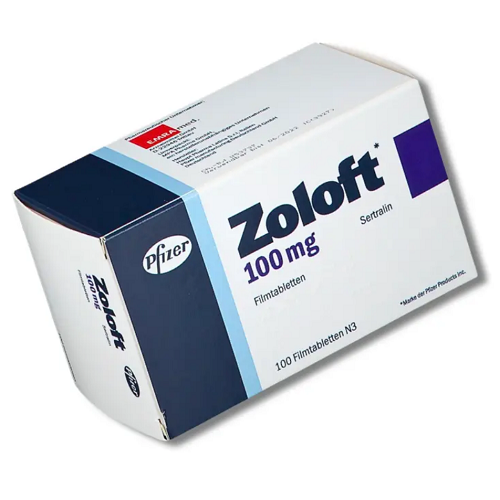
Zoloft (sertraline) is a prescription antidepressant approved in the United States to treat depression and several related conditions. It works by altering serotonin levels in the brain, but its real-world value comes from its balance of effectiveness, tolerability, and flexibility—especially for patients who have not found relief with other options. The single most important thing to know before starting Zoloft: the path to improvement often unfolds gradually and may require close collaboration with your doctor to get it right.
Zoloft’s Decision Point: When is it the Right Choice for Depression in the U.S.?
Every patient with depression faces a moment of decision: stick with the status quo, try a different therapy, or consider adding a medication like Zoloft. The calculus isn’t as simple as reading a list of approved uses or glancing at side effect rates. What makes Zoloft—sertraline—distinct in the U.S. is its reputation for balancing efficacy and tolerability, especially for patients who may be sensitive to certain side effects or who have not responded to other selective serotonin reuptake inhibitors (SSRIs).
Here’s the clinical reality: Zoloft is often chosen when a patient needs a reliable first-line option that won’t close doors to future strategies. Its flexibility in dosing, relatively modest risk of weight gain or sedation, and broad insurance coverage make it a workhorse in American practice. But it isn’t always the best fit. Patients with predominantly physical symptoms, severe anxiety, or strong sexual side effect concerns may see different trade-offs than those whose depression presents with emotional flattening or energy loss.
“In practice, we reach for Zoloft when a patient needs a treatment that can be increased gradually and has a track record of working across diverse forms of depression. What patients often overlook is the importance of giving the dose and time needed for a fair trial—switching too soon or stopping abruptly can lead to disappointment that isn’t about the medication itself.”
When making this decision, the key isn’t just what Zoloft can do, but when it’s most likely to deliver the results you want—relief from emotional pain, improved daily functioning, and hope. That reality shapes everything else in this article.
How Zoloft Works in Real Life—Not Just the Lab
The science behind Zoloft sounds simple: it increases serotonin levels in the brain by blocking the reuptake of this neurotransmitter. But for patients in the real world, what matters is not the molecular action, but the symptom changes that unfold over weeks—not days. Clinical trials have shown that sertraline can improve mood, sleep, appetite, and energy, but these effects rarely arrive all at once or on a set schedule.
What distinguishes Zoloft from other SSRIs is its relatively lower risk of causing sedation or weight gain, and its mild impact on the cardiovascular system. This gives clinicians more room to adjust the dose safely for most patients, including younger adults and the elderly. That said, Zoloft is not “weight neutral” for all, and some patients notice physical changes before emotional ones shift.
- SSRI (Selective Serotonin Reuptake Inhibitor)
- A class of antidepressants—like Zoloft—that work by increasing serotonin in the brain, thought to enhance mood and resilience over time.
For many, the real-world experience is less about immediate mood elevation and more about the gradual lifting of a heavy mental fog. Daily life becomes manageable again—sometimes in subtle ways, like improved sleep or better tolerance for stress—before patients realize their depression is truly receding. This timeline, and the patience it requires, is a defining feature of Zoloft’s clinical profile.
What to Expect When You Start Zoloft: Timelines, Milestones, and First Hurdles
Starting Zoloft can feel like stepping onto an unfamiliar path. The first question most patients ask: how soon will I feel better? Clinical evidence and experience in the United States point to a timeline that usually unfolds over several weeks, with subtle changes often preceding major shifts in mood or motivation.
- Week 1–2: Most patients don’t feel significant relief right away. Early side effects—such as mild nausea, sleep disturbance, or headache—may appear before any improvement in mood.
- Week 3–4: Sleep and appetite often improve first, followed by gradual increases in energy. For some, anxiety may briefly worsen before easing.
- Week 5–6 and beyond: Emotional resilience and mood start to recover, with many patients noticing clearer thinking and the return of interest in daily activities. Full benefit may take six weeks or longer.
Some challenges are common in the early phase:
- Transient digestive symptoms (nausea, diarrhea)
- Sleep disruption (vivid dreams, insomnia)
- Increased anxiety or agitation, usually temporary
If new or worsening symptoms persist beyond the first few weeks, or if you experience distressing thoughts, it’s crucial to contact your prescribing physician. Adjustments—dose changes, supportive therapies, or switching medications—are part of the clinical toolkit in U.S. practice.
Which Side Effects Matter Most with Zoloft—and When to Act
Every antidepressant brings the possibility of side effects, but not all are created equal. With Zoloft, the majority of side effects are mild and temporary. Yet, certain reactions demand immediate attention, while others can be monitored and managed over time.
Common side effects for Zoloft (sertraline) in U.S. patients include:
- Nausea or upset stomach
- Sleep difficulties (insomnia or unusual dreams)
- Sexual dysfunction (decreased libido, delayed orgasm)
- Increased sweating
- Mild weight changes (usually minimal)
The risk of serious side effects—such as serotonin syndrome, severe allergic reaction, or suicidal thoughts (especially in young adults)—is low but not zero.
| Side Effect | How Common? | When to Contact a Doctor |
|---|---|---|
| Nausea, GI upset | Common (20–30%) | If severe, persistent, or causing dehydration |
| Sexual dysfunction | Common (10–20%) | If distressing or impacts quality of life |
| Insomnia | Common (10–15%) | If not improving after 2–3 weeks |
| Serotonin syndrome | Rare (<1%) | Immediately, if confusion, fever, tremor, or agitation develop |
| Suicidal thoughts | Rare (<1%, most in under 25s) | Immediately, if new or worsening |
| Serious rash/allergy | Very rare | Immediately, if swelling, hives, or difficulty breathing |
For most patients, mild side effects can be managed with dose adjustment or supportive care. But any sudden or severe symptom—especially mental status changes, chest pain, or allergic reactions—should prompt urgent medical attention.
Zoloft vs. Other Antidepressants: Why Sertraline Stands Apart
Choosing among antidepressants is rarely about “the best” medication—it’s about the right fit. In real-world U.S. practice, Zoloft sits in a unique spot among the many options for depression. Compared head-to-head with alternatives, certain differences become especially relevant.
| Attribute | Zoloft (Sertraline) | Prozac (Fluoxetine) | Lexapro (Escitalopram) |
|---|---|---|---|
| Mechanism | SSRI—blocks serotonin reuptake | SSRI—blocks serotonin reuptake | SSRI—blocks serotonin reuptake |
| Typical Starting Dose (Depression) | 50 mg once daily | 20 mg once daily | 10 mg once daily |
| Onset of Effect | 2–4 weeks | 2–4 weeks | 1–2 weeks |
| Common Side Effects | GI upset, sexual dysfunction | Activation, insomnia, sexual dysfunction | Sexual dysfunction, headache |
| Risk of Weight Gain | Low to moderate | Low | Low |
| Insurance Coverage (U.S.) | Wide—most plans cover generic | Wide—most plans cover generic | Wide—most plans cover generic |
| Cost (typical U.S. copay) | Low (often $0–$10/month generic) | Low | Low |
| Withdrawal Risk (when stopping) | Moderate (short half-life) | Lower (long half-life) | Moderate |
| Major Drug Interactions | Some, esp. with other serotonergic drugs | More, esp. with certain antipsychotics | Fewest in this group |
In clinical terms, Zoloft’s short half-life means missed doses can cause withdrawal-like symptoms sooner than with Prozac. For patients who struggle with adherence or anticipate interruptions (travel, insurance issues), this could be a factor. On the other hand, Zoloft’s relatively gentle side effect profile and broad insurance coverage make it an easy first choice. Lexapro may cause slightly fewer drug interactions, but the difference is often small in practice.
Getting Zoloft in the United States: What Patients Need to Know
The path from prescription to pill bottle can be straightforward—or frustrating. Here’s how the process works in the United States, and what most patients aren’t told.
- Prescription status: Zoloft is only available by prescription, regardless of generic or brand name. Telemedicine visits are increasingly accepted by insurers and pharmacies for initial and refill authorizations.
- Pharmacy access: All major pharmacy chains and most independents stock generic sertraline. Online (mail-order) pharmacies are widely used for longer-term treatment, especially for stable dosing.
- Insurance coverage: Generic sertraline is on the formulary of nearly every U.S. insurer, with modest copays. Brand-name Zoloft is covered less often; higher out-of-pocket costs may apply.
- Prior authorization: Rarely required for generic, but certain high doses or brand-only requests may trigger insurer review.
- Pharmacist role: U.S. pharmacists are required to provide medication counseling and can answer questions about side effects, interactions, and what to do if a dose is missed.
If you encounter barriers at the pharmacy—coverage issues, out-of-stock notifications, or confusion about the correct product—ask your pharmacist to clarify options. Most problems can be resolved without returning to your prescriber.
When Not to Take Zoloft: Contraindications You Can’t Ignore
Absolute Contraindications:
- Taking or planning to take monoamine oxidase inhibitors (MAOIs)—risk of life-threatening serotonin syndrome.
- Known allergy to sertraline or inactive ingredients in Zoloft tablets or solution.
- Use with pimozide—a potent drug interaction that can cause dangerous heart rhythm changes.
Relative Contraindications (Clinical Context Needed):
- Uncontrolled epilepsy or seizure disorder—Zoloft may lower the seizure threshold.
- Active liver disease—sertraline is metabolized in the liver and may accumulate.
- Current use of other serotonergic drugs (triptans, tramadol, some migraine treatments)—risk of serotonin toxicity rises.
- History of bipolar disorder—may trigger manic episodes if not properly managed.
For these relative risks, your doctor will weigh benefits and may adjust dosing, monitor closely, or recommend a different class of antidepressant.
Never start, stop, or combine psychiatric medications without direct supervision from your prescriber. Even over-the-counter supplements (like St. John’s Wort) can interact dangerously with sertraline.
Zoloft Dosing: The Realities of Adjustment in Practice
While the package insert lists standard doses, the lived experience of Zoloft dosing is more nuanced. Most patients in the United States start at 25–50 mg daily, with titration in 25–50 mg increments every 1–2 weeks based on response and side effects. The maximum recommended dose for depression is 200 mg daily, but not all patients require (or tolerate) such escalation.
| Indication | Typical Starting Dose | Usual Range | Max Dose | Dose Adjustment Factors |
|---|---|---|---|---|
| Major Depression (Adults) | 50 mg | 50–200 mg | 200 mg | Response, side effects, age, liver function |
| Major Depression (Adolescents 13-17) | 50 mg | 50–200 mg | 200 mg | Same as adults, with close monitoring |
| Liver impairment | Lower initial dose (often 25 mg) | Individualized | Lower than standard | Frequent monitoring |
| Older adults (>65 years) | 25–50 mg | 25–100 mg | 100 mg (cautious) | Start low, go slow |
For most, dose increases happen gradually to minimize side effects and assess benefit. Some patients respond robustly to lower doses, while others require a higher dose for full effect. Liver function, age, and concurrent medications all factor into the pace and ceiling of titration. If a dose is missed, take it as soon as remembered—but skip it entirely if close to the next scheduled dose.
Frequently Asked Questions About Zoloft (United States)
- How long does it usually take for Zoloft to work?
- Most patients begin to notice improvement in sleep, appetite, or energy within 2–4 weeks. Full effects on mood and resilience can take 6 weeks or more. If you see no benefit by week 6, let your prescriber know for a possible adjustment.
- Can I drink alcohol while taking Zoloft?
- Alcohol is not strictly prohibited, but it can worsen side effects and blunt Zoloft’s benefits. Occasional moderate use may be safe for some, but discuss with your doctor, especially if you have a history of substance use or liver issues.
- What should I do if I miss a dose?
- If you miss a dose, take it as soon as you remember—unless it’s almost time for your next dose. Never double up. Missing multiple doses can lead to withdrawal symptoms or relapse, so keep your routine as consistent as possible.
- Is it safe to take Zoloft during pregnancy?
- Sertraline is often preferred if an antidepressant is needed during pregnancy, but the decision is individualized. Discuss risks and benefits with your obstetrician and psychiatrist; never stop medication abruptly without medical advice.
- Will Zoloft cause weight gain?
- Most studies suggest that Zoloft has a modest risk of weight gain, less than some other antidepressants. Some patients experience no weight change or even a slight loss. Monitoring diet and activity can help minimize any effect.
- Does Zoloft interact with birth control or other common medications?
- Zoloft does not interfere with hormonal birth control. Some drug interactions exist—especially with other serotonergic medications, certain painkillers, and blood thinners. Always check with your provider or pharmacist before starting new prescriptions or supplements.
- Can I stop Zoloft suddenly if I feel better?
- Stopping Zoloft abruptly can lead to withdrawal-like symptoms or relapse of depression. Tapering under your doctor’s supervision is recommended. If you’re thinking of stopping, discuss a safe plan with your clinician first.
- Is generic sertraline as effective as brand-name Zoloft?
- According to the FDA, generic sertraline is required to meet the same standards for effectiveness, safety, and quality as brand-name Zoloft. Most insurance plans cover only the generic, which is equally effective in nearly all cases.
Sources / References
- U.S. Food and Drug Administration (FDA): Drugs
- Mayo Clinic. “Sertraline (Oral Route): Description and Brand Names.”
- National Institute of Mental Health: Depression
- American Psychiatric Association. “Practice Guideline for the Treatment of Patients with Major Depressive Disorder.” 2020.
- Drugs.com: Sertraline Prescribing Information
- National Alliance on Mental Illness (NAMI). “Depression.” 2023.
- PubMed
- Pfizer. “Zoloft Prescribing Information.”