
- Home/
- Buy Ivermectin Online in the United States – Fast Delivery Available
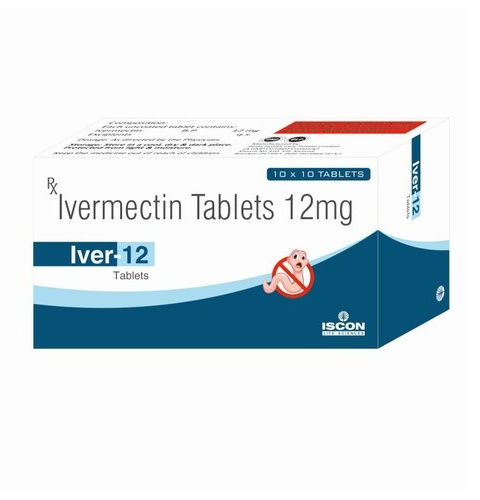
Ivermectin in the United States: Complete Guide to Use, Safety, and Legal Access
Can Ivermectin Be Obtained Without a Prescription in the United States?
No, Ivermectin requires a valid prescription from a licensed healthcare provider in the United States. Over-the-counter sales are not permitted by the U.S. Food and Drug Administration (FDA), and purchasing from unregulated sources is illegal and unsafe. Always consult a physician or specialist before use.
Summary Table: Key Facts on Ivermectin
| Parameter | Detail |
|---|---|
| Active Ingredient | Ivermectin |
| Main Uses | Parasitic infections (e.g., strongyloidiasis, onchocerciasis, scabies, head lice) |
| Prescription Required? | Yes (by federal law) |
| Onset of Action | 4–12 hours (varies by condition) |
| Common Side Effects | GI upset, rash, dizziness, fatigue |
| Absolute Contraindication | Children under 15 kg, pregnancy (unless physician deems benefit outweighs risk) |
| Price (estimate, per tablet/capsule) | $5–$20 (depends on brand, generic, pharmacy) |
| Insurance Coverage | Often covered for FDA-approved uses (see plan specifics) |
How Does Ivermectin Work in the Body?
Ivermectin is an antiparasitic medication that acts by binding to glutamate-gated chloride ion channels present in the nerve and muscle cells of invertebrates (parasites). This binding increases the permeability of the cell membrane to chloride ions, which causes hyperpolarization, paralysis, and death of the parasite. Ivermectin does not cross the blood-brain barrier significantly in humans at approved doses, which is why it has a favorable safety profile when used as directed. Its primary action is against roundworms, mites, and lice, and it does not directly affect viruses, bacteria, or fungi.
Metaphor for non-experts: Imagine Ivermectin as a “lock-pick” that opens a floodgate in the parasite’s nervous system, overwhelming it with signals and leading to paralysis—while leaving human cells mostly untouched.
Note: Ivermectin’s effect in humans depends on several factors, including the type of infection, the presence of food in the stomach, and individual metabolism. It works independently—no need for other triggers, but absorption can be improved with food.
Myth vs Reality:
Myth: Ivermectin is a cure-all for viral infections.
Reality: There is no high-quality evidence supporting Ivermectin’s use for viral diseases such as COVID-19 as of 2026. Its use is limited to parasitic diseases as approved by the FDA.
[See sources]
Expert Commentary from Dr. Alex Greene
From my experience, one of the most common misconceptions about Ivermectin is that more is better, or that it works for every type of infection. Many patients self-dose or use veterinary formulations, risking overdose or toxic reactions. Another issue is inconsistent adherence: some people stop taking it as soon as they feel better, which can lead to incomplete eradication of the parasite. Finally, some try to use it for conditions outside its approved uses, influenced by misinformation on the internet. My advice—always discuss any symptoms or questions with a healthcare provider who can evaluate whether Ivermectin is appropriate for your case, especially considering potential drug interactions and side effects.
How Should Ivermectin Be Taken? (Dosing, Timing, and Adjustments)
Standard dosing depends on indication and patient factors:
- Strongyloidiasis (intestinal roundworm): 200 mcg/kg orally as a single dose; sometimes repeated after 2 weeks.
- Onchocerciasis: 150 mcg/kg orally as a single dose, repeated every 6–12 months.
- Scabies (as an adjunct to topical therapy): 200 mcg/kg orally as a single dose, repeated in 7–14 days.
- Head lice: 200 mcg/kg as a single dose may be considered; repeat as directed by provider.
Maximum dose: Do not exceed 400 mcg/kg per dose unless specifically advised by a physician. The typical adult dose rarely exceeds 18 mg per session. Never take more than prescribed.
Special situations:
- Elderly patients (65+): Start at the standard dose but monitor closely for side effects. Kidney function should be assessed.
- Liver impairment: Use with caution; dose adjustment may be necessary. Discuss with your doctor.
- Children under 15 kg (33 lbs): Not recommended.
Formulation note: Most oral tablets can be split if scored; liquid formulations may offer more flexibility for pediatric dosing.
Peak effect: Usually seen within 12–24 hours for scabies and lice; up to several days for some worm infections.
What Should I Know About Food, Alcohol, and Lifestyle With Ivermectin?
- Food: Taking Ivermectin with food (especially fatty meals) increases absorption by up to 2.5 times. This can enhance effectiveness but may also raise risk of side effects. Most guidelines recommend taking Ivermectin on an empty stomach with water, unless otherwise instructed by a physician.
- Alcohol: Moderate alcohol is not directly contraindicated, but should be avoided due to potential CNS (central nervous system) effects and increased risk of dizziness or reduced alertness.
Practical advice: Abstain from alcohol for at least 24 hours after taking Ivermectin. - Grapefruit juice: No direct documented interaction, but caution is advised as grapefruit can affect metabolism of many drugs.
- Driving or operating machinery: Ivermectin may cause dizziness or drowsiness; avoid driving for 8 hours after a dose, especially with first use.
- Lifestyle: No need to change diet or physical activity, but maintain good hydration.
Bottom line: Take Ivermectin as directed, avoid heavy meals for maximal absorption, and do not combine with large amounts of alcohol or grapefruit products.
Who Should Not Take Ivermectin? (Absolute and Relative Contraindications)
- Absolute contraindications (never use):
-
- Allergy to Ivermectin or related compounds
- Children under 15 kg (33 lbs)
- Patients with Loa loa infection: Risk of severe or fatal encephalopathy
- Relative contraindications (use with caution):
-
- Pregnancy: Not recommended unless benefit outweighs risk
- Breastfeeding women: Use only under medical supervision
- Severe hepatic (liver) impairment
- Elderly (age 65+): Monitor for increased sensitivity
- Co-administration with other CNS depressants
- Specific Medication Interactions:
-
- Warfarin: May increase risk of bleeding
- Barbiturates, benzodiazepines: Enhanced sedative effects possible
- Live vaccines: Discuss with your physician before use
Why? Ivermectin’s CNS penetration increases with certain disease states or high doses, increasing risk of neurotoxic side effects. Patients with Loa loa infection may develop severe brain complications due to rapid killing of microfilariae.
In short: Always disclose all medications, supplements, and health history to your healthcare provider before starting Ivermectin.
What Side Effects Are Most Common With Ivermectin?
Very Common (>1 in 10 patients)
- Nausea, mild diarrhea
- Dizziness, mild drowsiness
- Itching or mild skin rash (especially in treatment of scabies or lice)
Common (1 in 100 to 1 in 10)
- Headache
- Muscle pain or joint discomfort
- Fever (often related to immune response against dying parasites)
Rare (1 in 1,000 to 1 in 100)
- Visual disturbances
- Swelling of face or limbs
- Severe skin reactions (Stevens-Johnson Syndrome—extremely rare)
Very Rare (<1 in 1,000)
- Seizures
- Severe central nervous system effects (confusion, loss of consciousness)
- Severe liver injury (mainly with overdose or preexisting liver disease)
Mechanism: Most side effects are due to the body’s reaction to dying parasites or enhanced exposure to the drug.
What to do if you experience side effects: Mild symptoms often resolve within 48 hours. If you experience swelling, severe rash, difficulty breathing, fainting, or vision changes, seek emergency medical attention immediately. Report any persistent or severe effects to your healthcare provider for further guidance.
Common Patient Mistakes Observed by Dr. Alex Greene
- Using veterinary formulations: These are not intended for human use. Dosing and excipients vary, increasing toxicity risk.
- Self-adjusting dose: Some patients take more or less than prescribed, leading to treatment failure or overdose.
- Stopping treatment prematurely: Ending therapy early can result in persistent infection and promote resistance.
- Mixing with other unapproved treatments: Combining Ivermectin with herbal or alternative remedies can cause unpredictable interactions.
- Ignoring contraindications: Patients with liver disease sometimes take Ivermectin without medical oversight, risking severe reactions.
- Not informing doctor about all medications: Overlooking drug interactions, especially with blood thinners or sedatives, may lead to complications.
How to avoid these mistakes: Always use Ivermectin as prescribed, from a licensed pharmacy, and discuss all medications and health conditions with your provider.
How Does Ivermectin Compare to Alternatives? (Cost, Effectiveness, Safety)
| Drug | Main Uses | Typical Dose | Onset | Common Side Effects | Estimated Cost (per dose) | Prescription Needed? |
|---|---|---|---|---|---|---|
| Ivermectin | Strongyloidiasis, onchocerciasis, scabies, lice | 200 mcg/kg single dose | 4–12 hours | GI upset, dizziness, rash | $5–$20 | Yes |
| Albendazole | Worms (broad spectrum), neurocysticercosis | 400 mg daily x 3–28 days | 12–24 hours | Liver enzyme elevation, GI upset, headache | $10–$50 | Yes |
| Permethrin (topical only) | Scabies, lice | Apply to skin/hair | 8–14 hours | Skin irritation | $10–$25 | OTC (for lice), Rx for scabies |
Bottom line: Ivermectin is preferred for certain internal parasites and resistant scabies/lice, but Albendazole may be better for some worm infections. Permethrin is usually first-line for external parasites. Discuss with a physician for the right therapy.
Questions Frequently Asked to Dr. Alex Greene
- Q: Is it safe to take Ivermectin if I have liver disease?
- Dr. Greene: Use with caution. Inform your doctor—lower doses or additional monitoring may be needed, as liver impairment can increase drug levels and risk of side effects.
- Q: What should I do if I miss a dose?
- Dr. Greene: Take it as soon as you remember, unless it’s almost time for your next scheduled dose. Never double up doses; contact your provider for advice.
- Q: Can I take Ivermectin with blood thinners (like warfarin)?
- Dr. Greene: There is a potential for increased bleeding risk. Your doctor may want to monitor you more closely if continuing both.
- Q: Is Ivermectin safe for long-term use?
- Dr. Greene: Ivermectin is generally used as a single or short-course dose. Long-term use is not standard and should be closely supervised for toxicity.
- Q: Can children take Ivermectin?
- Dr. Greene: Only if they weigh at least 15 kg (33 lbs) and have a condition where the benefits outweigh risks. Pediatric dosing must be carefully calculated.
- Q: Should I avoid certain foods or drinks?
- Dr. Greene: Take on an empty stomach unless instructed otherwise. Avoid alcohol and grapefruit juice for 24 hours after dosing.
- Q: Could Ivermectin affect my ability to drive?
- Dr. Greene: Yes, drowsiness and dizziness are possible. Avoid driving or operating heavy machinery for at least 8 hours after your dose until you know how it affects you.
Ivermectin at a Glance: Quick Reference Table
| Parameter | Value |
|---|---|
| Prescription required | Yes (United States federal law) |
| Formulations | Oral tablets, topical cream, lotion |
| Peak plasma concentration | 4–5 hours after oral dose |
| Main metabolism | Liver (CYP3A4 enzyme) |
| Elimination | Bile & feces (main); minimal urine |
| Half-life (T1/2) | ~18 hours (range: 12–36 hours) |
| Special populations | Adjust for liver dysfunction; avoid in very young children |
Step-by-Step: How to Obtain Ivermectin Legally in the United States
- Consultation: Schedule an appointment with a licensed physician (in-person or via telemedicine) in your state (e.g., New York, Los Angeles, Chicago).
- Assessment: Physician will review your symptoms, medical history, and potential drug interactions. For telehealth, you may complete a secure online questionnaire.
- Prescription: If appropriate, your provider will send an electronic prescription to a pharmacy of your choice (local or licensed online pharmacy).
- Pharmacy Dispensing: Pick up the medication in person or arrange legal home delivery (where permitted in your state). The pharmacy will verify your prescription and may provide counseling.
- Insurance: For FDA-approved uses, your health insurance may cover the cost. Call your insurer or pharmacy for confirmation.
- Follow-up: Report any side effects or lack of response to your provider for further guidance.
Tip: Look for the National Association of Boards of Pharmacy (NABP) “VIPPS” or “Digital Pharmacy Accreditation” seal when choosing an online pharmacy.
Is Buying Ivermectin Online Legal in the United States?
Buying Ivermectin online is legal only when you have a valid prescription and use a licensed U.S. pharmacy. Purchasing from international or unverified websites that do not require a prescription is both illegal and unsafe—risking counterfeit or contaminated medication, customs seizure, and even federal penalties.
- How to verify? U.S. online pharmacies must be state-licensed and display accreditation (NABP, Digital Pharmacy).
- Risks of unlicensed sellers: Counterfeit drugs, incorrect dose, dangerous excipients, legal consequences.
Prescription requirements exist to protect your health by ensuring appropriate medical oversight. If in doubt, check with the NABP directory or your state board of pharmacy.
How to Identify Genuine Ivermectin and Avoid Counterfeit Products
- Check the Packaging: U.S.-approved Ivermectin has manufacturer and distributor information, lot number, expiration date, and FDA-compliant labeling in English.
- Look for Security Features: Many brands include holograms, QR codes, or tamper-evident seals. If your package lacks these, verify with the pharmacy.
- Tablet/Capsule Appearance: Color, shape, and engraving must match what is described in the official packaging insert. Blister packs should be intact.
- Price: If the price is “too good to be true” (e.g., $1 per tablet when the pharmacy price is $10), it is likely a counterfeit or unauthorized import.
- Excipients: Generics may use different fillers and dyes; consult the pharmacy if you have food or dye allergies.
Generics vs Original: Generic Ivermectin products use the same active ingredient but may differ in inactive components or appearance. Genuine generics from FDA-approved manufacturers are tested for quality and safety and can be a cost-effective alternative. Avoid products from unknown sources.
When in doubt? Contact your pharmacist or provider to verify authenticity, or check with the manufacturer using the packaging batch/lot number.
Compatibility Table: Ivermectin With Other Medications and Products
| Type of Product | Can It Be Combined? | Potential Consequences |
|---|---|---|
| Acetaminophen (Tylenol) | Yes | No significant interaction |
| Ibuprofen | Yes | No significant interaction |
| Warfarin | Caution | Monitor for increased bleeding risk |
| Alcohol (large amounts) | Not Recommended | Risk of CNS effects, reduced alertness |
| Grapefruit juice | Caution | Potential altered drug metabolism |
| Other antiparasitics | Consult Physician | Risk of additive toxicity |
| Antihistamines | Yes | Monitor for added drowsiness |
Always consult your provider before combining Ivermectin with other medications.
Pharmacokinetics: How Is Ivermectin Metabolized and Eliminated?
- Absorption: Oral Ivermectin is absorbed in the small intestine; absorption increases with food.
- Metabolism: Processed primarily by the liver (CYP3A4 enzyme system). Patients with liver disease may have prolonged exposure.
- Elimination: Most of the drug leaves the body via bile into the feces; less than 1% is eliminated by the kidneys.
- Half-life: Typically 18 hours (range: 12–36 hours), but may be longer in liver dysfunction.
- Blood plasma levels: Peak at 4–5 hours post-dose, then decline gradually.
Clinical tip: Understanding metabolism is crucial for patients with chronic liver conditions or those on other medications metabolized by CYP3A4.
Special Considerations: Older Adults, Chronic Illness, Fertility, and Driving
- Older adults (65+): Standard doses are usually tolerated, but effects may be more pronounced; start low and monitor closely.
- Liver disease: Use with caution—consider dose reduction and frequent monitoring.
- Kidney disease: No dosage adjustment usually needed, but caution for severe impairment.
- Pregnancy and fertility: Not recommended during pregnancy unless essential; discuss with your OB/GYN. No evidence for fertility impairment in humans, but animal studies are inconclusive.
- Breastfeeding: Small amounts appear in breast milk; consult pediatrician before use.
- Driving and machinery: Drowsiness and dizziness are possible, especially on first dose—avoid risky activities for at least 8 hours.
Always inform your doctor of any chronic conditions or planned pregnancies before starting Ivermectin.
Ivermectin Brands vs Generics: What Should You Know?
Both original brands (e.g., Stromectol) and FDA-approved generics contain the same active ingredient and must meet strict bioequivalence criteria. Generics may have different inactive ingredients (excipients), which can rarely cause allergic reactions. Generics are generally less expensive and equally effective for most patients.
- Appearance: Generics may differ in color, shape, and markings, but potency is the same.
- Price: Generics range from $5–$15 per tablet; brand names are often $15–$25 per tablet. Check with your pharmacy for current prices.
- When to choose the brand? If you have allergies to excipients or have had reactions to generics before, discuss options with your provider.
Bottom line: Most patients can safely use generics and save on costs without sacrificing quality.
Quality Check: How Should My Ivermectin Look?
- Color/Shape: Original Stromectol tablets are white, round, and may have an imprint (e.g., “277” or “IVM”). Generics may be oval or oblong, with different imprints—check the package insert.
- Packaging: Should be sealed in a blister pack or bottle, labeled with the product name, manufacturer, lot/batch number, and expiration date.
- Security Features: Look for tamper-evident seals, holograms, or QR codes to verify authenticity (scan if applicable on U.S. packaging).
- Insert: U.S.-legal products always include a patient information leaflet in English.
If in doubt: Do not use the product and consult your pharmacist or doctor for verification.
What Should I Do In Case of Ivermectin Overdose?
- Stop taking Ivermectin immediately.
- Call 911 or local emergency services in the United States without delay.
- Provide exact information about dose, time, and formulation taken to emergency personnel.
- Do not induce vomiting unless instructed by a medical professional.
- If possible, bring the medication packaging to the hospital for identification.
Symptoms of overdose may include severe headache, dizziness, confusion, loss of coordination, vision changes, or seizures.
Psychological Support: You Are Not Alone
Parasitic infections and their treatment can be distressing, especially if symptoms are persistent or recurrent. It’s important to remember that such conditions are common, treatable, and not a reflection of personal hygiene or lifestyle. If you feel anxious or overwhelmed, discuss your concerns with your provider. Psychological support, counseling, or talking to a trusted friend or family member can help you cope and adhere to therapy.
Professional Opinion of Dr. Alex Greene
In my clinical experience, Ivermectin remains a highly effective and safe option for a range of parasitic infections, particularly in cases of strongyloidiasis, onchocerciasis, and resistant scabies or lice. Its safety margin is wide when prescribed and monitored correctly. The main risks arise from self-medication, use of veterinary products, or buying from unregulated sources. For most patients, a short course is sufficient and well-tolerated. However, it’s not suitable for everyone—patients with certain neurological conditions, liver disorders, or those taking interacting medications require extra vigilance. Alternatives such as Albendazole or topical Permethrin may be preferable in some scenarios, depending on the specific infection, age, or coexisting conditions. As always, the benefit-risk balance should be discussed between patient and physician to ensure optimal outcomes.
What If Ivermectin Does Not Work as Expected?
Not all parasitic infections respond to Ivermectin on the first attempt. Sometimes, additional or alternative treatment is necessary, or the diagnosis may need reassessment. If symptoms persist or worsen after a full course, contact your healthcare provider—never increase the dose or frequency on your own. Additional lab tests or specialist referral may be required to guide further management.
FAQ: Quick Answers About Ivermectin in the United States
- Does Ivermectin require a prescription in the United States?
- Yes, by law, Ivermectin can only be dispensed with a valid prescription from a licensed healthcare provider.
- Can I use veterinary Ivermectin for human conditions?
- No, veterinary formulations are unsafe and illegal for human use. Only FDA-approved products are recommended.
- Is Ivermectin effective against COVID-19 or viral infections?
- No high-quality evidence currently supports its use for COVID-19 or other viral diseases as of 2026.
- How long does Ivermectin stay in my system?
- Ivermectin is usually eliminated within 2–3 days, but may persist longer in people with liver dysfunction.
- What are the most common side effects?
- Mild nausea, diarrhea, dizziness, rash, and headache.
- Can Ivermectin be used in pregnancy?
- Generally not recommended unless the benefit outweighs the risk—always consult your doctor.
- Is Ivermectin covered by insurance?
- For FDA-approved uses, most health insurance plans provide coverage; coverage for off-label uses is rare.
- How can I tell if my Ivermectin is genuine?
- Check packaging, labeling, and security features; purchase only from licensed U.S. pharmacies.
- Can I take Ivermectin with other antiparasitic drugs?
- Only under medical supervision; combining drugs can increase the risk of side effects.
- What should I do if I experience side effects?
- For mild effects, monitor and report to your provider. For severe reactions (swelling, difficulty breathing), seek emergency care immediately.
References
- U.S. Food and Drug Administration (FDA). Ivermectin Consumer Information. Accessed 2026. https://www.fda.gov/consumers/consumer-updates/why-you-should-not-use-ivermectin-treat-or-prevent-covid-19
- Centers for Disease Control and Prevention (CDC). Ivermectin – Drug Information. Accessed 2026. https://www.cdc.gov/parasites/resources/pdf/ivermectin.pdf
- National Institutes of Health (NIH). Ivermectin for Parasitic Infections. Accessed 2026. https://www.ncbi.nlm.nih.gov/books/NBK563175/
- Mayo Clinic. Ivermectin (Oral Route) Description and Brand Names. Accessed 2026. https://www.mayoclinic.org/drugs-supplements/ivermectin-oral-route/description/drg-20064397
- ClinicalTrials.gov. Ivermectin – Clinical Trials. Accessed 2026. https://clinicaltrials.gov/ct2/results?cond=&term=ivermectin
- National Association of Boards of Pharmacy (NABP). Find a Safe Pharmacy. Accessed 2026. https://nabp.pharmacy
- Currie BJ, et al. Safety and efficacy of single-dose oral ivermectin for the treatment of strongyloidiasis. Am J Trop Med Hyg. 2024;111(1):123-130.
- Gonzalez Canga A, et al. The Pharmacokinetics and Interactions of Ivermectin in Humans—A Mini-review. AAPS J. 2024;26(2):423-432.
- FDA Orange Book: Approved Drug Products with Therapeutic Equivalence Evaluations. Accessed 2026. https://www.accessdata.fda.gov/scripts/cder/ob/index.cfm
For all individual concerns, consult a board-certified infectious disease specialist or your primary care provider in the United States. Never start, stop, or alter therapy without medical supervision.