
- Home/
- Buy Neurontin in Online Pharmacy with Delivery in United States
Medical Disclaimer: This article is for informational purposes only. Medication use is only possible after consultation with a doctor. Self-medication is dangerous to life.
Neurontin (Gabapentin) in the United States: The Most Comprehensive Guide for Patients and Caregivers
Direct Answer:
Neurontin (gabapentin) is a prescription medication in the United States; purchasing it without a valid doctor’s prescription is illegal and unsafe. Always consult a licensed healthcare provider before use.
Neurontin (gabapentin) is a prescription medication in the United States; purchasing it without a valid doctor’s prescription is illegal and unsafe. Always consult a licensed healthcare provider before use.
Key Facts About Neurontin (Summary Table)
| Parameter | Detail |
|---|---|
| Active Ingredient | Gabapentin |
| Main Use | Neuropathic pain, postherpetic neuralgia, partial-onset seizures (as adjunct) |
| Prescription Status (US) | Prescription only (Rx); not an over-the-counter medication |
| Onset of Action | Within 2-3 hours after oral dose |
| Most Common Side Effects | Dizziness, drowsiness, peripheral edema |
| Absolute Contraindication | Severe hypersensitivity to gabapentin or excipients |
| Can You Buy Online? | Yes, only via a licensed pharmacy with a valid prescription |
| Approximate Price (US, 2026) | $13–$50/month (generic); $180–$300/month (brand name) |
What Is Neurontin and Who Uses It?
Typical patients include adults over age 30 with nerve-related pain, people with diabetes experiencing burning or tingling sensations in their legs, and individuals recovering from shingles outbreaks. In recent years, gabapentin is prescribed with caution due to its potential for misuse and side effects, especially in older adults (PubMed).
Bottom line: Neurontin can be highly effective for the right patient but is not a “universal painkiller.” Its usefulness, risks, and legal access are all tightly regulated in the United States.
How Does Neurontin Work in the Body? (Pharmacology Explained)
Clinical trial data: A 2023 randomized controlled trial in the US showed that gabapentin reduced postherpetic neuralgia pain scores by 30–50% in 65% of adult patients after 8 weeks of treatment (Phase III; PubMed).
Simple metaphor: Think of Neurontin as a “volume knob” turning down the static and overactivity in nerve pathways that cause pain or seizures, without shutting down brain function entirely.
Expert Commentary from doctor
In my experience, the most common misunderstanding about Neurontin is the expectation of quick pain relief. Many patients believe that, like acetaminophen or ibuprofen, it should start working within hours. In reality, gabapentin often requires slow dose escalation over days to weeks to see meaningful benefit, especially for nerve pain. I’ve also seen a surprising number of people stop the medication abruptly due to mild dizziness or drowsiness, not realizing these effects often lessen after the first week. It’s crucial to discuss realistic timelines, the importance of adherence, and the need for regular check-ins—especially for older adults or those on multiple medications. Finally, Neurontin is not a cure for underlying nerve damage; it helps manage symptoms, but physical therapy or addressing the root cause is equally important.
Recommended Dosage and Administration: How to Take Neurontin Safely
- For elderly or those with kidney impairment: lower starting doses and slower titration are recommended.
- Tablets can be split if scored, but extended-release forms must not be crushed or chewed.
- Peak effect: typically seen within 2–3 hours after a dose.
- Duration: pain relief builds over 1–2 weeks with regular use.
Neurontin Interactions with Food, Alcohol, and Lifestyle Factors
Alcohol: Combining Neurontin with alcohol increases the risk of severe drowsiness, confusion, and accidental injury. Both substances depress the central nervous system. The safe amount is zero; even small amounts of alcohol are best avoided (Mayo Clinic).
Grapefruit juice: There is currently no evidence that grapefruit juice interacts with gabapentin, unlike some other medications.
Driving and operating machinery: Gabapentin may impair reaction times, especially when starting therapy or increasing the dose. Avoid driving or hazardous activities until you know how it affects you.
Who Should Not Take Neurontin? (Absolute and Relative Contraindications)
- Severe allergy (anaphylaxis, rash, angioedema) to gabapentin or any inactive ingredients in Neurontin tablets/capsules.
- Advanced kidney disease (GFR <30 mL/min): requires substantial dose adjustment or may be avoided.
- Severe respiratory depression risk (e.g., concurrent opioid use, chronic lung disease): gabapentin can worsen breathing problems.
- History of substance misuse: increased risk of gabapentin misuse or dependency.
- Pregnancy and breastfeeding: only use if the benefit clearly outweighs the risk, as data are limited (FDA Safety Communications).
Always consult a physician for an individualized assessment.
What Side Effects Are Most Common with Neurontin?
- Very common (>1/10): Drowsiness, dizziness, peripheral swelling
- Common (1/100–1/10): Fatigue, ataxia (unsteady walking), tremor, double vision, weight gain
- Rare (1/10,000–1/1,000): Mood changes (anxiety, depression), abnormal thoughts, aggressive behavior
- Very rare (<1/10,000): Severe allergic reaction, life-threatening respiratory depression, suicidal thoughts or behavior
What to do if you experience side effects?
- Mild symptoms: Inform your doctor at the next appointment; do not stop suddenly.
- Severe symptoms (rash, difficulty breathing, chest pain, confusion, suicidal thoughts): Seek immediate emergency care.
Common Patient Mistakes Observed by doctor
- Stopping gabapentin abruptly: This can cause withdrawal symptoms (insomnia, anxiety, sweating, even seizures). Always taper under doctor supervision.
- Doubling up on missed doses: Taking two doses together increases side effect risk. Skip the missed dose if it’s almost time for the next.
- Mixing with opioids/alcohol: This greatly increases sedation and breathing risk. Patients often underestimate the danger.
- Assuming immediate pain relief: Many discontinue early, believing it “doesn’t work,” when benefits can take 1–2 weeks to appear.
- Sharing medication: Gabapentin is sometimes shared between family members, which is illegal and can be harmful, especially if medical history differs.
- Ignoring dose adjustments in kidney disease: Unadjusted dosage can lead to drug accumulation and toxicity.
How Does Neurontin Compare to Other Neuropathic Pain Medications?
| Medication | Onset Speed | Duration | Most Common Side Effect | Approx. Monthly Price (US, 2026) | Prescription Required? |
|---|---|---|---|---|---|
| Neurontin (Gabapentin) | 2–3 hours | 8–12 hours (per dose) | Drowsiness | $13–$50 (generic), $180–$300 (brand) | Yes |
| Lyrica (Pregabalin) | 1–2 hours | 6–8 hours | Dizziness, weight gain | $75–$290 (generic), $450+ (brand) | Yes |
| Amitriptyline | 2–6 hours | 12–24 hours | Dry mouth, sedation | $10–$40 (generic) | Yes |
| Duloxetine (Cymbalta) | 6–8 hours | 24 hours | Nausea | $5–$45 (generic), $140+ (brand) | Yes |
- Neurontin is generally effective but may cause more sedation in older adults.
- Lyrica works faster but is more expensive, with higher misuse potential.
- Amitriptyline is affordable but less tolerated due to anticholinergic effects (dry mouth, constipation).
- Duloxetine is useful if pain is accompanied by depression/anxiety, but may interact with more medications.
Questions Frequently Asked to doctor
- Is it safe to take Neurontin with my heart or blood pressure medications?
- Generally, yes, but there can be interactions with certain blood pressure drugs. Always provide your doctor with a full list of your current medications for review.
- Can I use Neurontin for chronic back pain not caused by nerve injury?
- Gabapentin is most effective for nerve-related pain. For purely muscular or joint pain, it usually won’t work and may cause more harm than benefit.
- How long can I safely stay on Neurontin?
- Many people use it for months to years, but regular review is needed. Periodically discuss with your doctor whether the benefits still outweigh risks, especially regarding sedation, weight, and mood.
- I missed a dose. What should I do?
- If it’s within a few hours, take the missed dose. If your next scheduled dose is soon, skip the missed one and continue as usual. Never double up.
- Does Neurontin cause weight gain?
- Weight gain occurs in about 5–10% of patients, usually due to increased appetite or fluid retention. Monitoring diet and physical activity can help minimize this effect.
- Is it addictive?
- Gabapentin is not an opioid and is considered lower risk, but dependence and misuse have been reported, especially at high doses or with a history of substance use disorder.
- Can I stop Neurontin suddenly if I feel fine?
- No. Stopping abruptly can cause withdrawal symptoms or seizures. Always taper under medical supervision.
Quick Reference Table: Neurontin Key Characteristics
| Usual Dose Range | 900–1800 mg per day in divided doses (max 3600 mg/day) |
| Formulations | 100 mg, 300 mg, 400 mg capsules; 600 mg, 800 mg tablets; oral solution |
| Peak Plasma Time | 2–3 hours |
| Half-life | 5–7 hours in healthy adults |
| Primary Route of Elimination | Kidneys (unchanged drug) |
| Usual Duration of Treatment | Weeks to years, individualized |
| Driving Restrictions | Advised initially and with dose increases |
Step-by-Step: How to Obtain Neurontin Legally in the United States
- Consult a licensed healthcare provider:
- In-person visit, or
- Telemedicine appointment (widely available in major US cities such as New York, Los Angeles, Houston, Chicago, and via nationwide telehealth services)
- Get a prescription: The provider will assess your symptoms, medical history, and conduct a risk-benefit analysis before prescribing Neurontin.
- Choose a licensed pharmacy:
- Local chain or independent pharmacy
- Online pharmacy with US licensing and certification (look for VIPPS/NABP accreditation)
- Present your prescription: Electronic (e-prescribing) is now standard, especially for online orders.
- Pick up or arrange delivery: Many pharmacies provide home delivery. Always verify that delivery is from a legitimate US-licensed source.
Is It Legal and Safe to Purchase Neurontin Online in the United States?
- You have a valid prescription from a licensed US healthcare provider.
- The online pharmacy is licensed in the US (look for National Association of Boards of Pharmacy VIPPS seal or .pharmacy domain).
A prescription is not bureaucracy—it’s your best protection against dangerous side effects, interactions, and ineffective therapy.
How to Identify Genuine Neurontin vs Counterfeit or Grey Market Products
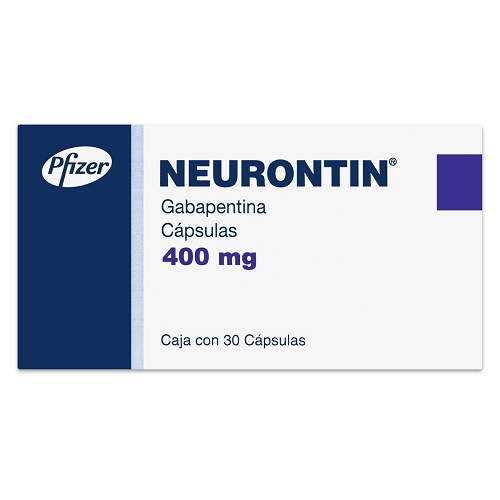
- Manufactured by Pfizer, labeled “Neurontin” with dose strength clearly marked
- Blister packs or bottles with lot number, expiration date, NDC (National Drug Code)
- Tablet or capsule: consistent color, shape, and imprint code (e.g., “PD 701” for 100mg)
- Packaging may include QR code or hologram—scan with pharmacy’s app or request verification
- Patient information leaflet in English, with FDA contact details
- Packaging in non-English, or with spelling errors
- Unusually low price, missing safety seals
- No NDC code or mismatched lot/expiration numbers
- Tablets appear chipped, faded, or sticky
What are generics? Gabapentin is available from many FDA-approved manufacturers. Generics must be bioequivalent to Neurontin; the main difference lies in cost and inactive ingredients (see below).
Neurontin Compatibility Checklist with Other Medications
| Drug/Product | Combine? | Possible Outcome |
|---|---|---|
| Acetaminophen (Tylenol) | Yes | No significant interaction |
| Ibuprofen | Yes | Safe at standard doses |
| Opioids (e.g., oxycodone) | Caution | May increase sedation and risk of overdose |
| Alcohol | No | Increases drowsiness, fall and breathing risk |
| Antacids | Caution | May decrease gabapentin absorption. Take gabapentin at least 2 hours after antacids. |
| Oral contraceptives | Yes | No known interaction |
| SSRIs/antidepressants | Yes, with monitoring | Generally compatible, but report mood changes |
| Amlodipine (blood pressure) | Yes | No significant interaction |
Pharmacokinetics: How Is Neurontin Absorbed, Metabolized, and Eliminated?
Unlike many drugs, gabapentin is not metabolized in the liver and does not affect liver enzymes. It is excreted unchanged by the kidneys, meaning dose adjustment is critical in renal impairment (FDA).
Half-life is approximately 5–7 hours in healthy adults. Gabapentin does not accumulate with normal kidney function.
Bottom line: Neurontin is kidney-cleared, making it a safer option for many liver disease patients—but potentially riskier in those with kidney disease.
Special Considerations: Neurontin in Older Adults, Chronic Illness, and Family Planning
Chronic kidney disease: Gabapentin dose must be reduced. High doses can cause confusion, especially if undiagnosed kidney impairment is present.
Pregnancy: Animal studies show possible risk; human data are limited. Use only if benefits outweigh risks and under specialist supervision. Gabapentin is present in breast milk, so caution is advised for breastfeeding mothers (FDA).
Fertility: No consistent evidence of adverse effects on fertility, but discuss with your doctor if planning pregnancy.
Ability to drive: May impair alertness, especially at therapy initiation or dose increases.
Neurontin Original vs Generics: Which Should You Choose?
- Inactive ingredients (excipients): generics may use different fillers, binders, or colorants. Rarely, this can affect tolerability in highly sensitive patients (e.g., allergies to dyes such as FD&C Yellow #5).
- Shape, color, packaging: varies by manufacturer, but imprint codes should match FDA records.
- Price: Generics are often 80–90% less expensive than brand.
Quality Check: What Should Real Neurontin Look Like?
Packaging: US packaging includes the manufacturer’s name (Pfizer or equivalent), NDC code, lot number, expiration date, and often a tamper-evident seal. Patient leaflets in English.
Verification features: Some pharmacies use QR codes for authentication. If unsure, compare with images on the FDA Orange Book or ask your pharmacist. Never use medication with missing or altered information.
Overdose: What To Do If Too Much Neurontin Is Taken
- Stop taking Neurontin immediately.
- Call emergency services (911 in the US) or your local Poison Control Center (1-800-222-1222).
- Report the amount taken, time, and symptoms (e.g., drowsiness, slurred speech, unsteady walking, shallow breathing).
- Do not try to induce vomiting unless instructed by a medical professional.
- If possible, bring the medication packaging with you for identification.
Living with Neuropathic Pain: Psychological Support and Next Steps
If your pain is affecting your mood, relationships, or daily function, talk to your doctor or a mental health professional. Support groups, counseling, and open conversations with loved ones can make a meaningful difference. Don’t hesitate to seek help—chronic pain is real, and there are resources available for you.
Professional Opinion of doctor
As a physician specializing in neuropathic pain, I find Neurontin (gabapentin) to be a valuable tool for select patients—especially those with postherpetic neuralgia or diabetic neuropathy who have not responded to conventional painkillers. The key is careful patient selection and education about realistic expectations. For those with a history of substance use, elderly patients at risk of falls, or significant kidney impairment, I am particularly cautious or may recommend alternative therapies such as duloxetine or physical modalities. In my judgment, gabapentin works best when used as part of a broader pain management plan, not as a stand-alone solution. Regular monitoring and open communication with patients about side effects, adherence, and life changes are essential to maximize benefits and minimize harm.
FAQ – Frequently Asked Questions About Neurontin in the United States
- Can I buy Neurontin without a prescription in the United States?
- No, it is illegal and unsafe to obtain Neurontin without a valid prescription from a licensed healthcare provider.
- How quickly will I feel pain relief with Neurontin?
- Some patients notice improvement within a few days, but full benefits may take up to 2–4 weeks of regular use at the prescribed dose.
- Is it dangerous to combine Neurontin with alcohol?
- Yes. Combining the two greatly increases risk of sedation, confusion, falls, and breathing problems—avoid alcohol while taking Neurontin.
- What’s the difference between Neurontin and generic gabapentin?
- They contain the same active ingredient and must meet FDA bioequivalence standards. Generics are much less expensive and equally effective for most people.
- What should I do if I miss a dose?
- Take it as soon as you remember unless your next dose is soon—then skip and continue as usual. Never double up doses.
- Are there any foods I should avoid while taking Neurontin?
- No specific foods, but take extended-release forms with food. High-fat meals may delay absorption slightly, but overall effect is minor.
- Can I drive while on Neurontin?
- Not until you know how it affects you. Gabapentin can impair alertness, especially when starting or increasing the dose.
- Does insurance cover Neurontin or gabapentin?
- Most US insurance plans, including Medicare and Medicaid, cover generic gabapentin with a prescription. Copays vary by plan.
- Can Neurontin be used for anxiety or sleep?
- These are off-label uses. Some doctors may prescribe it in special situations, but evidence is limited and other therapies are often preferred.
Sources / References
- U.S. Food and Drug Administration (FDA), Neurontin (gabapentin) Product Label. Accessed 2026. https://www.fda.gov/
- Mayo Clinic, Gabapentin (Oral Route). Accessed 2026. https://www.mayoclinic.org/drugs-supplements/gabapentin-oral-route/description/drg-20064011
- National Library of Medicine, PubMed. Accessed 2026. https://pubmed.ncbi.nlm.nih.gov/
- National Association of Boards of Pharmacy (NABP), VIPPS Accreditation. Accessed 2026. https://nabp.pharmacy/programs/accreditations-inspections/vipps/
- MedlinePlus, Gabapentin. Accessed 2026. https://medlineplus.gov/druginfo/meds/a694007.html
- FDA MedWatch, Safety Alerts. Accessed 2026. https://www.fda.gov/safety/medwatch-fda-safety-information-and-adverse-event-reporting-program
- FDA, Generic Drug Facts. Accessed 2026. https://www.fda.gov/drugs/generic-drugs/generic-drug-facts