
- Home/
- Buy Remeron in Online Pharmacy for United States Customers
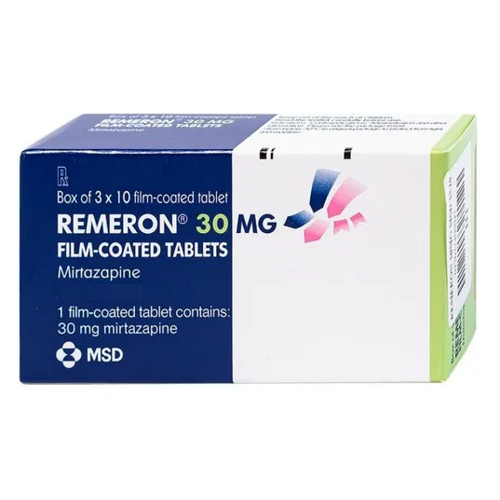
Remeron (mirtazapine) is a prescription antidepressant used in the United States for adults with major depressive disorder. It stands out for its unique approach to treating depression’s toughest symptoms—especially where sleep, appetite, or sexual side effects have complicated past treatments. Before starting Remeron, understand that its benefits and risks are not the same as those of other antidepressants, and timing matters: how you feel in week one is not how you’ll feel in week six.
Remeron: Why Some Patients—and Doctors—Choose It When Others Don’t
Imagine sitting in your psychiatrist’s office after months of feeling stuck. You’ve tried a selective serotonin reuptake inhibitor (SSRI). Maybe you felt numb, had trouble sleeping, or your appetite vanished. Your doctor mentions Remeron. It’s not the automatic first choice. Why suggest it now?
Remeron is not designed to impress with slick advertising. In the United States, it quietly fills a gap: patients with depression whose sleep is broken, whose anxiety won’t let go at 2 a.m., or who can’t eat. For some, it’s the first antidepressant that feels like getting their body back, not just their mind.
“When a person is losing weight because of depression or can’t sleep through the night, I reach for Remeron. It’s not always the answer, but in the right patient, it’s the difference between surviving and recovering.”
But the same properties that make Remeron a lifeline for one person can be a deal-breaker for another. Its sedation and appetite effects are valued—or feared—depending on what you need most. If you’re already struggling with weight gain, or need to avoid drowsiness, your doctor’s decision calculus is different.
- Previous antidepressants have caused sexual side effects the patient wants to avoid.
- Sleep problems and anxiety are making depression harder to treat.
- There’s a need to restore appetite and weight, particularly in elderly or medically frail patients.
Understanding why Remeron is offered—and why it’s sometimes not—starts with how it works. The next section opens that door.
How Mirtazapine Works Differently—and Why That Changes Everything
Mirtazapine, the active ingredient in Remeron, takes a U-turn from most antidepressants you’ve heard of. Instead of blocking the reuptake of serotonin only, it modulates both norepinephrine and serotonin, but even more importantly, it blocks certain histamine and serotonin receptors—creating its signature blend of sedation, appetite stimulation, and relatively low risk of sexual dysfunction.
For the patient, this means the trade-offs are real. The increased appetite and sleepiness are not unfortunate side effects—they are expected consequences of how mirtazapine works. The impact is felt within days, not weeks.
- Mirtazapine
- Boosts noradrenergic and specific serotonergic activity (NaSSA)—unlike SSRIs or SNRIs.
- Histamine Blockade
- Causes sedation, especially at lower doses; more pronounced than most antidepressants.
- Serotonin Receptor Blockade
- Reduces sexual side effects (compared to SSRIs), and can ease anxiety symptoms.
Why does this matter? For someone whose depression is tied to loss of appetite or insomnia, Remeron’s side effects become its assets. But for patients who fear weight gain or need to stay alert during the day, these same effects can be disruptive. Mirtazapine’s dual nature is its defining trait: a blessing for some, a challenge for others.
Most American patients expect all antidepressants to work slowly and feel the same. Mirtazapine challenges both assumptions. Its impact on sleep and appetite starts fast—in days—not weeks. Mood improvement still takes time. That split is crucial in setting expectations.
Getting Through the First Weeks on Remeron: What Actually Happens
The first few days on Remeron rarely feel the way patients expect. Many anticipate the slow, almost imperceptible changes common with SSRIs, only to find themselves sleeping deeper—or fighting drowsiness—almost immediately. Appetite tends to return early, too. For some, that’s a relief. For others, it triggers anxiety about weight.
- Sleepiness: Most noticeable at night, and often seen as a feature, not a bug, in people who haven’t slept well for months.
- Morning grogginess: Especially at lower doses (15 mg), which paradoxically are more sedating due to histamine effects.
- Appetite changes: Increased hunger, especially for carbohydrates, sometimes within 72 hours.
- Mood changes: Subtle at first; most patients report mood lift after 2–4 weeks, not days.
What most articles never say: if Remeron’s sedation is overwhelming, or if you gain several pounds in the first two weeks, tell your doctor right away. Sometimes lowering the dose or changing timing helps, but sometimes Remeron simply isn’t the right fit for your body. These early effects don’t always predict long-term benefit or tolerance—the adjustment period is real and should be monitored, not endured in silence.
For many, the first month defines whether Remeron is a keeper. Don’t judge your response on day five—or even day ten. Patterns emerge over weeks, not nights.
Which Side Effects Matter Most with Remeron—and When to Act
Drowsiness, weight gain, and dry mouth surface in most conversations about Remeron, but what actually deserves your full attention?
Serious reactions are uncommon, but every year patients in the United States stop Remeron prematurely due to side effects that could have been managed—or that should have been addressed urgently. Knowing the difference is crucial.
- Unusual thoughts or behavior changes (including new or worsening depression, suicidal thoughts, or agitation)
- Signs of allergic reaction (hives, swelling, difficulty breathing)
- Unexplained fever, sore throat, or infection symptoms—these could signal neutropenia, a rare but serious side effect
- Unusual bleeding or bruising
| Side Effect | How Common? | When to Call a Doctor |
|---|---|---|
| Drowsiness / Sedation | Very common (>50%) | If it interferes with daytime function or does not improve after 2 weeks |
| Increased Appetite / Weight Gain | Common (20–50%) | If weight gain is rapid (>5 lbs in 2 weeks) or distressing |
| Dry Mouth | Common (20–25%) | If it leads to difficulty eating, swallowing, or dental issues |
| Constipation | Common (10–15%) | If severe, persistent, or associated with abdominal pain |
| Serious Mood Changes (Suicidal Thoughts, Agitation) | Uncommon (<5%) | Immediately—do not wait |
| Neutropenia (Low White Blood Cells) | Rare (<1%) | If you develop fever, sore throat, or infection symptoms |
| Liver Problems (Yellowing eyes/skin) | Very rare | If any signs of jaundice appear |
While most side effects are manageable, waiting too long to report them can lead to unnecessary suffering—or missed warning signs. The majority of patients who stick with Remeron beyond the first month find their bodies adapt, but some will need a switch. Do not adjust or stop your dose without speaking with your prescriber.
When Not to Take Remeron: Absolute and Relative Contraindications
Absolute Contraindications:- Known allergy to mirtazapine or any Remeron ingredient (rash, swelling, anaphylaxis, etc.)
- Current use of monoamine oxidase inhibitors (MAOIs), or use within the past 14 days—serotonin syndrome risk can be life-threatening
- Severe liver or kidney impairment—dose adjustments and close monitoring needed
- History of severe neutropenia or blood disorders—Remeron can rarely suppress white blood cells
- Uncontrolled epilepsy—sedative effects may lower seizure threshold
- Active severe obesity or eating disorders where weight gain would be a health risk
- Pregnancy or breastfeeding—there is limited safety data; discuss risks and alternatives
For each of these, a detailed conversation with your prescriber is required. The balances are different for every patient. Never start Remeron based solely on internet advice.
Remeron vs. Other Antidepressants: What the Differences Mean for You
Choosing an antidepressant is rarely about picking the “best” drug overall—it’s about finding the one whose profile fits your life. Remeron’s place in American practice is distinct: it’s often considered when sleep problems, anxiety, or sexual side effects have limited other options.
| Medication | How It Works | Biggest Pros | Biggest Cons | Who Might Prefer It? | Prescription Needed? |
|---|---|---|---|---|---|
| Remeron (Mirtazapine) | Noradrenergic & specific serotonergic modulator (NaSSA); histamine blocker | Improved sleep and appetite; low sexual side effects | Weight gain, sedation | Insomnia, poor appetite, sexual side effects on SSRIs | Yes (Rx only) |
| Sertraline (Zoloft) | SSRI: increases serotonin | Well-tolerated, activating, less sedation and weight gain | Sexual dysfunction, GI upset, insomnia | Daytime fatigue, concerned about weight gain | Yes (Rx only) |
| Bupropion (Wellbutrin) | NDRI: boosts norepinephrine/dopamine | No sexual dysfunction, weight loss possible, activating | Can worsen anxiety, risk of seizures | Low energy, concern about sexual or weight side effects | Yes (Rx only) |
In practical terms: Remeron is rarely the default first option in the United States, but it stands out when sleep quality or appetite loss dominate, or when other treatments have caused sexual or GI side effects. For patients with obesity, severe daytime sleepiness, or a history of high cholesterol, alternatives may be safer or more tolerable. Your doctor’s recommendation reflects how these trade-offs play out for your specific context.
Practical Dosing with Remeron: What American Patients Need to Know
Remeron comes as 15 mg, 30 mg, and 45 mg tablets, as well as orally disintegrating tablets (Remeron SolTab). Dosing is not “one size fits all”—and in fact, the dose you start with may not be the dose you stay on.
| Situation | Initial Dose | Typical Target Dose | Maximum Dose | Notes |
|---|---|---|---|---|
| General adult | 15 mg at bedtime | 15–45 mg at bedtime | 45 mg/day | Lower doses more sedating; titrate up as needed |
| Elderly or frail | 7.5–15 mg at bedtime | 15–30 mg | 45 mg/day | Start lower, increase slowly |
| Renal/hepatic impairment | 7.5–15 mg | As tolerated | Lower maximum may be recommended | Monitor closely for side effects |
Unlike many antidepressants, Remeron’s sedation is strongest at lower doses—a quirk of its histamine blocking activity. As dosing increases, the sedative effect often lessens, and activating effects may start to appear. This means if you’re too sleepy on 15 mg, increasing the dose sometimes helps—a counterintuitive fact that surprises many patients and even some clinicians.
Doses are usually taken at bedtime. Never split or adjust your dose without explicit medical advice. Your doctor will monitor for side effects, blood counts (rarely), and mood changes throughout treatment.
Getting Remeron in the United States: Access, Cost, and Insurance Realities
Remeron is a prescription-only medication in the United States. This means you need an evaluation and a prescription from a licensed healthcare provider—psychiatrist, primary care doctor, or (in many states) a nurse practitioner or physician assistant. It is dispensed through brick-and-mortar or reputable mail-order pharmacies; unregulated online sources are not only illegal but dangerous.
- Insurance coverage: Most commercial insurance and Medicare Part D plans cover generic mirtazapine, with possible copays. Prior authorization is rare unless unusual doses or formulations are used.
- Cost: Generic mirtazapine is inexpensive—often $5–$20 per month. Brand Remeron, if prescribed, can be significantly more but is rarely required.
- Pharmacy access: Any U.S. pharmacy can fill Remeron prescriptions. Orally disintegrating tablets (SolTab) may require a special order in smaller pharmacies.
United States regulatory oversight is handled by the FDA (www.fda.gov). The FDA reviews all generic and brand formulations for safety and efficacy before approval. Counterfeit risk is low if you use a licensed pharmacy; high otherwise.
For those without insurance, most retail pharmacies offer discount programs that bring the cost of generic mirtazapine down even further, sometimes to less than $10 per month.
If Remeron Isn’t Working—or the Side Effects Are Too Much: What Next?
Not every patient finds relief with Remeron, and a significant minority stop treatment due to sleepiness, weight changes, or lack of benefit. The important thing is not to struggle alone—early intervention prevents frustration and wasted time.
- If sleepiness is overwhelming: Speak to your doctor—sometimes a higher bedtime dose helps, or a morning dose split may be considered. If the sedation never fades, another medication may be better.
- If weight gain is fast or distressing: Dietary changes or dose adjustment may help, but if weight continues to climb, switching drugs is often the safest route.
- If mood hasn’t improved after 6–8 weeks: Remeron is unlikely to deliver better results with more time alone. Your prescriber may suggest a higher dose, combination therapy, or a switch.
- If serious side effects occur: Stop the medication and seek medical attention immediately. Never wait for the next scheduled visit.
“Every psychiatrist has seen patients who suffer in silence, hoping things will improve on their own. When it comes to side effects—especially with Remeron—early, honest conversations make all the difference. Adjustments are possible, but not every side effect should be endured.”
This is where doctor’s clinical experience matters most. No two patients respond exactly the same. Some will thrive on Remeron after a rocky start; others will need a different path. The key is partnership, not endurance.
Frequently Asked Questions about Remeron
- How quickly does Remeron start to work for depression?
- Most patients notice improved sleep and appetite within the first week. However, mood benefits typically take 2–4 weeks, and sometimes up to 6–8 weeks, to become apparent. Sedation and appetite changes are felt sooner than mood improvement.
- Will I gain weight on Remeron?
- Weight gain is common, occurring in 20–50% of patients. Increased appetite is often noticeable early. Strategies to minimize weight gain include healthy diet, regular exercise, and dose adjustments, but some patients will need a different medication if weight gain is rapid or distressing.
- Does Remeron cause sexual side effects?
- Compared to SSRIs and SNRIs, Remeron is much less likely to cause sexual dysfunction. In fact, it is sometimes used when sexual side effects from other antidepressants are a problem. However, every individual reacts differently, and some rare cases still report changes in libido or function.
- Can I drink alcohol while taking Remeron?
- Alcohol increases the sedative effects of Remeron and can worsen drowsiness or impair coordination. Occasional small amounts may be tolerated, but combining the two is generally discouraged, especially during the first weeks of treatment or if you drive.
- Is Remeron safe to use with other medications?
- Remeron can interact with other drugs, especially those that cause sedation or affect the central nervous system. Never combine Remeron with MAO inhibitors. Always tell your prescriber about all medications, herbs, and supplements you use.
- What should I do if I miss a dose?
- If you forget a dose, take it as soon as you remember unless it is close to the time for your next dose. Never double up. If you miss multiple doses, call your doctor for guidance.
- Is Remeron addictive or habit-forming?
- Remeron is not considered habit-forming or addictive. However, stopping suddenly can cause withdrawal symptoms (such as anxiety, insomnia, or flu-like symptoms). Always taper off under medical supervision.
- Can Remeron be used for anxiety or insomnia alone?
- While not FDA-approved solely for anxiety or insomnia, Remeron’s sedative and anxiolytic properties often improve these symptoms in patients with depression. It is not usually prescribed for sleep problems alone unless depression is also present.
Sources / References
- U.S. Food and Drug Administration (FDA)
- Mirtazapine (Oral Route) – Mayo Clinic
- American Psychiatric Association Practice Guideline for the Treatment of Patients with Major Depressive Disorder
- Mirtazapine: MedlinePlus Drug Information
- Remeron Prescribing Information – RxList
- PubMed
- National Institute of Mental Health (NIMH)
- Remeron (mirtazapine) prescribing information, Organon USA Inc.