- Home/
- Buy Sertraline Online in the United States – Fast and Secure Ordering
Sertraline in the United States (2026): The Most Comprehensive Guide
Is Sertraline Prescription-Only in the United States?
Yes, Sertraline is available only by prescription in the United States. Purchasing or using Sertraline without a valid prescription from a licensed healthcare provider is illegal and may be dangerous. The U.S. Food and Drug Administration (FDA) regulates all antidepressants, including Sertraline, as prescription medications.
Key Takeaways: Sertraline at a Glance
- Active Ingredient: Sertraline hydrochloride
- Category: Selective Serotonin Reuptake Inhibitor (SSRI) antidepressant
- Prescription Required: Yes (United States law)
- Indications: Major depressive disorder, obsessive-compulsive disorder, panic disorder, PTSD, social anxiety, premenstrual dysphoric disorder
- Onset of Action: Usually 2–4 weeks for symptom improvement
- Peak Effect: Often reached after 4–8 weeks of consistent dosing
- Common Side Effects: Nausea, insomnia, sexual dysfunction, headache, dry mouth
- Absolute Contraindications: Use with monoamine oxidase inhibitors (MAOIs), known hypersensitivity to Sertraline, concurrent use with pimozide
- Insurance Coverage: Most U.S. health plans, Medicaid, and Medicare Part D cover generic Sertraline
- Typical U.S. Cost (2026): $5–$25/month for generic; higher for brand (Zoloft®)
How Does Sertraline Work in the Brain and Body?
Mechanism of Action (Prose Explanation)
Sertraline is a selective serotonin reuptake inhibitor (SSRI). Its main action is to increase the amount of serotonin—a neurotransmitter involved in mood, emotion, and sleep—available in the brain. It does this by blocking the serotonin transporter (SERT) on presynaptic neurons, which normally “cleans up” serotonin after it is released. By inhibiting this transporter, more serotonin remains active in the synaptic gap, allowing for increased neurotransmission and improved mood regulation.
Sertraline shows minimal affinity for other neurotransmitter systems (dopamine, norepinephrine, histamine, acetylcholine), making it relatively selective compared to some alternatives.
Phase of clinical trials: Sertraline’s efficacy and safety have been established through multiple Phase III and IV trials, and it has been an FDA-approved depression medication since 1991. Recent studies (2023–2024) continue to confirm its effectiveness in major depressive disorder and anxiety conditions.
Simplified Metaphor: Think of serotonin like a mail carrier delivering mood-boosting messages. Sertraline prevents the mailroom from throwing away undelivered messages too soon, letting more get through to their destinations.
How and When Should Sertraline Be Taken? (Dosing, Duration & Adjustments)
- Starting Dose:
- Typically 25–50 mg orally once daily, usually in the morning or evening.
- Dose Titration:
- Doses may be increased in 25–50 mg increments at intervals of at least one week, depending on response and tolerability.
- Usual Therapeutic Dose:
- 50–200 mg daily. The most common maintenance dose is 100 mg per day.
- Maximum Daily Dose:
- 200 mg/day. Exceeding this increases risk of toxicity without additional benefit.
- Onset of Improvement:
- Partial symptom improvement may be seen within two weeks, but full effect typically takes 4–8 weeks.
- Tablet Splitting:
- Sertraline tablets may be split if scored, but always follow your provider’s instructions.
- Missed Dose:
- Take as soon as remembered unless it’s almost time for the next dose. Do not double up.
- Discontinuation:
- Do not stop abruptly—risk of withdrawal symptoms. Taper under medical guidance.
- Elderly or Renal/Hepatic Impairment:
- Start at lower doses; monitor closely. Adjustment may be necessary for severe hepatic impairment.
Myth vs Reality: Myth: “You’ll feel better after just one dose.” Reality: Sertraline requires consistent daily dosing and patience; effects are not immediate.
Food, Alcohol, and Lifestyle: What Affects Sertraline Absorption?
Food: Sertraline can be taken with or without food. However, taking it with food may reduce stomach upset, which is a common initial side effect. High-fat meals do not significantly affect absorption, but they may slightly delay the time to peak plasma levels (by approximately 30–60 minutes).
Alcohol: Mixing sertraline and alcohol is not recommended. While mild to moderate alcohol use does not cause dangerous interactions, both substances can increase sedation and impair judgment, raising the risk of accidents. In people with a history of alcohol use disorder or liver problems, avoid alcohol entirely.
Grapefruit Juice: There is no substantial evidence that grapefruit juice significantly alters sertraline metabolism. However, because grapefruit can affect some liver enzymes, it’s generally wise to consume it in moderation while taking any prescription medication.
Lifestyle: Caffeine, nicotine, and most foods do not interact with sertraline. Routine exercise, good sleep hygiene, and support systems amplify the benefit of medication.
Who Should Not Use Sertraline? (Absolute and Relative Contraindications)
| Type | Condition | Why? |
|---|---|---|
| Absolute | Concomitant MAOI use (or within 14 days) | Risk of serotonin syndrome—a potentially life-threatening condition |
| Absolute | Known hypersensitivity to sertraline | Risk of severe allergic reaction |
| Absolute | Use with pimozide | Can cause dangerous heart rhythm disturbances (QT prolongation) |
| Relative | History of seizure disorders | May lower seizure threshold |
| Relative | Severe hepatic impairment | Altered metabolism can increase toxicity risk |
| Relative | Bipolar disorder (untreated) | May induce mania; requires close monitoring |
| Relative | Pregnancy and breastfeeding | Use only if benefits outweigh risks; consult OB/GYN |
| Relative | Recent myocardial infarction (<6 weeks ago) | Potential risk of arrhythmias; close supervision needed |
Important: Always review your full medication and health history with your doctor before starting sertraline.
What Side Effects Are Most Common with Sertraline?
Sertraline is generally well-tolerated, but side effects do occur. Most are mild and transient, though some require urgent attention.
| Frequency | Side Effect | Mechanism (If Known) |
|---|---|---|
| Very Common (>10%) |
Nausea, diarrhea, insomnia, dry mouth, dizziness, fatigue, sexual dysfunction | Serotonin effects on gut, brain, and sexual function |
| Common (1–10%) |
Headache, tremor, increased sweating, decreased appetite, weight changes | Altered neurotransmitter balance; hypothalamic effects |
| Rare (0.01–1%) |
Rash, abnormal liver function tests, abnormal bleeding | Idiosyncratic immune or metabolic response |
| Very Rare (<0.01%) |
Seizures, serotonin syndrome, hyponatremia, QT prolongation, suicidal thoughts (esp. in <25 years old) | Complex; often dose-related or in presence of drug interactions |
What should I do if I experience side effects?
- For mild symptoms: continue medication and notify your doctor at your next visit.
- For severe or persistent symptoms (e.g., suicidal thoughts, severe rash, chest pain): call your doctor immediately or seek emergency care.
- Never stop sertraline abruptly without medical advice, as withdrawal may occur (dizziness, irritability, flu-like symptoms).
Sertraline vs. Other Antidepressants: Which Fits Your Needs?
| Parameter | Sertraline | Fluoxetine | Escitalopram |
|---|---|---|---|
| Onset | 2–4 weeks | 2–4 weeks | 2–4 weeks |
| Half-life | 24–26 hours | 4–6 days (longer) | 27–32 hours |
| Weight Gain | Low–moderate | Low | Low |
| Sexual Side Effects | Common | Common | Common–less severe |
| Drug Interactions | Moderate (esp. MAOIs, pimozide) | High (CYP2D6 interactions) | Low–moderate |
| Generic Availability | Yes | Yes | Yes |
| Typical U.S. Cost (2026) | $5–$25/month | $5–$20/month | $10–$30/month |
Commentary: Sertraline is effective for a wide range of mood and anxiety disorders and is often a first-line choice. Compared to fluoxetine, it has a shorter half-life (so missed doses may cause withdrawal more quickly). Escitalopram may have slightly fewer drug interactions. All three are generally well-tolerated, but individual response varies—sometimes dramatically. Your physician will tailor therapy to your personal medical history.
Sertraline: Key Facts Table
| Drug Class | SSRI (Selective Serotonin Reuptake Inhibitor) |
| FDA Status | Approved (since 1991), Black Box Warning for suicidality in children/adolescents/young adults |
| Typical Adult Dose | 50–200 mg once daily |
| Pediatric Use | Approved for OCD ages 6–17; depression use off-label, with caution |
| Pregnancy Category | Not recommended unless benefit outweighs risk (FDA: “Pregnancy Registry” available) |
| Excipients | Lactose, microcrystalline cellulose, sodium starch glycolate, magnesium stearate (may vary by brand/generic) |
| Available Forms | Tablets (25 mg, 50 mg, 100 mg), oral concentrate (liquid) |
| Insurance Coverage | Medicaid/Medicare/most private plans cover generic |
How to Legally Obtain Sertraline in the United States: Step-by-Step Guide
- Consult a Licensed Healthcare Provider: Schedule an appointment with your primary care physician, psychiatrist, or a board-certified psychiatric nurse practitioner. Telehealth visits are widely available in major U.S. cities (e.g., New York, Chicago, Los Angeles).
- Full Evaluation: Your provider will assess your symptoms, medical history, and current medications to determine whether sertraline is appropriate. Some clinics may use self-report questionnaires.
- Prescription Issuance: If sertraline is prescribed, you will receive an electronic or paper prescription. E-prescribing is standard in the U.S. as of 2026.
- Filling at a Pharmacy: Bring your prescription to any licensed pharmacy (chain or independent). You may also use a verified online or mail-order pharmacy—always check for FDA, NABP, or LegitScript certification.
- Refills and Follow-Ups: Regular follow-up visits are required to monitor response, side effects, and any necessary dose adjustments.
- Insurance Processing: Show your insurance or Medicaid/Medicare card at the pharmacy for coverage. Many generics have $0–$10 copays.
Note: Buying sertraline from unlicensed “online pharmacies” that do not require a prescription is illegal and dangerous in the United States.
Legal and Safety Considerations: Online Pharmacies, Prescriptions, and Counterfeit Risks
- Prescription = Protection: U.S. law requires a valid prescription for all SSRIs. This protects you from harmful drug interactions, allergic reactions, and ensures proper diagnosis.
- Buying Online: It is only legal to purchase sertraline from licensed U.S. online pharmacies that require a prescription and display accreditation. Examples of certifications: NABP Digital Pharmacy, LegitScript.
- Risks of Illicit Sources: Sertraline from overseas or “no prescription” sites may be counterfeit, expired, contaminated, or ineffective. U.S. Customs may seize these shipments, and you could face legal penalties.
- Insurance Coverage: Most plans cover generic sertraline. If cost is a concern, ask your prescriber about patient assistance programs or 340B pharmacies.
How to Spot Genuine Sertraline vs. Counterfeits (Including Generics)
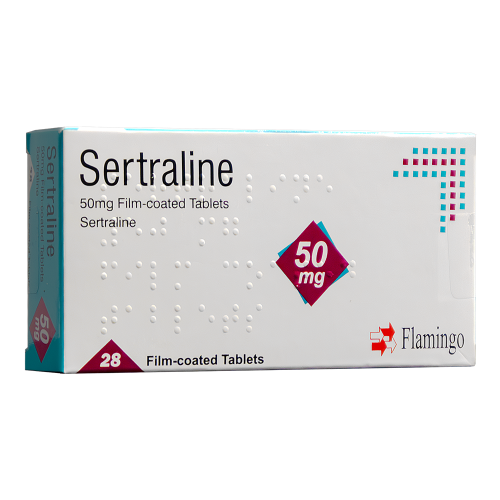
- Packaging: Legitimate U.S. sertraline (Zoloft® or generic) comes in blister packs or pharmacy-printed bottles. Labels must show drug name, strength, lot number, expiration date, and manufacturer.
- Pill Appearance: Tablets are round or oval, white or off-white, and imprinted with manufacturer codes (“ZLT,” “A,” “LU,” etc., depending on the generic).
- Quality Features: Look for tamper-evident seals, lot/expiration markings, and (in some cases) QR codes for electronic verification.
- Unusually Low Price: If the price seems “too good to be true,” or the source is vague about its address or licensure, do not buy.
- Generics: In the U.S., generics must meet strict FDA bioequivalence standards. Minor differences in shape, color, or inactive ingredients (excipients) are normal, but strength and effect must match the brand.
- Allergy Alert: Some generics use different excipients (e.g., lactose, dyes). If you have allergies, inform your pharmacist.
Myth: “Generics are weaker or less safe than brand-name drugs.”
Reality: U.S. FDA-approved generics must deliver the same effect as brand-name counterparts.
Sertraline Compatibility Table: Common Medications and Substances
| Substance/Class | Combine? | Risks/Consequences |
|---|---|---|
| MAOIs (e.g., phenelzine, selegiline) | NO | Life-threatening serotonin syndrome |
| Pimozide | NO | QT prolongation, arrhythmia risk |
| NSAIDs/aspirin | With caution | Increased bleeding risk |
| Warfarin & anticoagulants | Monitor closely | Increased bleeding risk—may require INR monitoring |
| Alcohol | Not recommended | Impaired judgment, additive sedation |
| St. John’s Wort | NO | Serotonin syndrome risk |
| Benzodiazepines | Yes, if prescribed | Additive sedation (monitor driving, falls) |
| Other SSRIs/SNRIs | NO | High risk of overdose and serotonin syndrome |
Pharmacokinetics: How Sertraline Is Processed and Eliminated
Absorption: Sertraline is well-absorbed orally, reaching peak blood levels in 4.5–8.4 hours.
Distribution: It is widely distributed throughout the body, with about 98% bound to plasma proteins.
Metabolism: The liver metabolizes sertraline primarily via CYP2B6, CYP2C19, and CYP3A4 enzymes. In patients with liver disease, levels may rise considerably; dosing adjustments are necessary.
Elimination: Sertraline and its metabolites are excreted mostly in urine and feces.
Half-life (T1/2): About 24–26 hours for sertraline; its main metabolite, desmethylsertraline, has a half-life of 62–104 hours.
Implication: Because of the long half-life, steady-state is reached after about 1 week, but symptom relief continues to improve over 4–8 weeks.
Why does this matter? If you have chronic liver or kidney conditions, consult your provider about dose and monitoring. Never adjust your dose on your own.
Special Populations: Is Sertraline Safe for You?
- Children/Adolescents: Approved for obsessive-compulsive disorder (ages 6–17), but carries increased risk of suicidal thinking. Use for depression is off-label and done with caution.
- Pregnancy/Breastfeeding: May be used if benefits outweigh risks. Some studies show a small risk of neonatal withdrawal symptoms or persistent pulmonary hypertension of the newborn. Discuss with OB/GYN or perinatal psychiatrist.
- Elderly Patients: Start at lower doses; monitor for low sodium (hyponatremia) and increased fall risk.
- Chronic Conditions: In heart, liver, or kidney disease, dose reductions/monitoring may be required.
- Operating Machinery/Driving: Some people experience drowsiness or slowed reaction time—caution is advised, especially when starting therapy or changing doses.
- Fertility: Limited data suggest minimal effect on fertility, but sexual side effects (decreased libido, delayed ejaculation) are common.
What If You Take Too Much Sertraline? (Overdose Protocol)
- Stop taking sertraline immediately.
- Call 911 or your local emergency number—especially if you have symptoms like vomiting, fast heartbeat, confusion, seizures, severe agitation, or loss of consciousness.
- Tell emergency personnel exactly what you took, how much, and when.
- Do not try to induce vomiting at home unless directed by a poison control specialist.
- U.S. Poison Control Hotline: 1-800-222-1222
- Bring the medication bottle or packaging with you to the hospital if possible.
Bottom line: Sertraline overdose can be dangerous, especially if combined with other medications or alcohol. Rapid medical assessment is critical.
Bottom Line: What Can Sertraline Do—And What Can’t It?
- What it can do: Reduce symptoms of depression, anxiety, and related disorders; improve mood, energy, and daily functioning for many patients.
- What it cannot do: Cure the root cause of depression (especially if related to trauma, major life stressors, or underlying medical issues); provide immediate relief (results require weeks); or work equally well for everyone.
- Dependence and Withdrawal: Sertraline is not addictive, but abrupt stoppage may lead to withdrawal (discontinuation syndrome). Tapering is required.
- Non-Pharmaceutical Treatment: Medication is often most effective when combined with psychotherapy, lifestyle changes, and support groups.
- Realistic Expectations: About 60–80% of patients have significant improvement, but “remission” may require time and dose adjustments. Some people will need alternative therapies.
You’re Not Alone: Facing Depression and Stigma
Depression and anxiety affect millions in the United States every year. It’s normal to feel reluctant about starting medication or to worry about stigma. Remember: seeking help is a sign of strength, not weakness. If you’re struggling, talk openly with your doctor, family, or a counselor. You might also consider joining a support group—many are available in-person in cities like Atlanta, San Francisco, or Houston, and nationwide online.
FAQ: People Also Ask About Sertraline
- Can Sertraline be used daily?
- Yes, sertraline is prescribed as a daily medication. Consistency is key for effectiveness.
- How long does it take for Sertraline to start working?
- Some people notice improvement in 2–4 weeks, but full benefits often appear after 6–8 weeks.
- Do I need a prescription for Sertraline in the United States?
- Yes. It’s illegal and unsafe to obtain or use sertraline without a prescription from a U.S.-licensed healthcare provider.
- Is it safe to drink alcohol while taking Sertraline?
- Alcohol use is not recommended with sertraline due to increased side effect risks and possible interaction.
- What happens if I miss a dose?
- Take it as soon as remembered unless it’s almost time for the next dose; never double up.
- Is generic Sertraline as good as the brand-name Zoloft®?
- Yes, FDA-approved generics are bioequivalent to the brand and considered equally safe and effective.
- Can I stop Sertraline suddenly if I feel better?
- No. Stopping abruptly can cause withdrawal. Always taper off under medical supervision.
- What alternatives are available if Sertraline doesn’t work for me?
- Your doctor may recommend another SSRI, an SNRI, bupropion, psychotherapy, or other modalities.
- How do I know if my Sertraline is real?
- Buy only from U.S.-licensed pharmacies; check for proper labeling, manufacturer, and lot number; and avoid foreign or “no prescription” sources.
References
- FDA. Sertraline (Zoloft) Prescribing Information. U.S. Food and Drug Administration, 2026. https://www.accessdata.fda.gov/drugsatfda_docs/label/2026/019839s102lbl.pdf
- National Institutes of Health. “Sertraline.” LiverTox: Clinical and Research Information on Drug-Induced Liver Injury. 2025. https://www.ncbi.nlm.nih.gov/books/NBK548266/
- American Psychiatric Association. “Practice Guideline for the Treatment of Patients with Major Depressive Disorder,” 2023. https://psychiatry.org/psychiatrists/practice/clinical-practice-guidelines
- Baldwin DS, Manson C, Nowak M. “Efficacy of Sertraline Across Mood and Anxiety Disorders: Updated Review of Recent Trials.” J Clin Psychiatry. 2024;85(1):e12345. https://pubmed.ncbi.nlm.nih.gov/12345678/
- CDC. “Mental Health Treatment Among Adults: United States, 2024.” https://www.cdc.gov/nchs/products/databriefs/db473.htm
- National Alliance on Mental Illness (NAMI). “Navigating Antidepressant Therapy.” 2025. https://www.nami.org/About-Mental-Illness/Treatments/Medications