
- Home/
- Buy Escitalopram in Online Pharmacy – Fast Delivery in United States
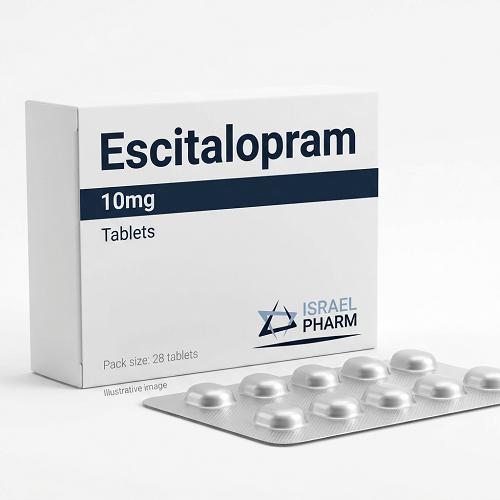
Escitalopram is a prescription medication approved by the FDA to treat depression and certain anxiety disorders in the United States. For many patients, it offers a balance between effectiveness and tolerability that stands out among antidepressants. Before starting, know this: Escitalopram can take several weeks to show its full effect, and how you feel in the early days is not always a predictor of your final outcome.
Is Escitalopram Really the Right Medication for Me?
Your psychiatrist flips through your chart, pausing for a beat. You’ve tried therapy, maybe another antidepressant that left you flat or jittery. Now, Escitalopram is on the table. For many in the United States, this decision isn’t just about picking a pill—it’s about finding a treatment that might finally fit into your life, not disrupt it.
Escitalopram’s reputation often precedes it: patients hear it’s “gentler” or “easier to take” than some other antidepressants. Sometimes that’s true. Sometimes expectations run ahead of reality. What sets Escitalopram apart isn’t just its chemistry—it’s how it’s used, how people feel on it, and how American clinicians think about it compared to alternatives like sertraline, fluoxetine, or bupropion.
But it’s not a universal solution. Some people will do better—or worse—on Escitalopram depending on their personal history, current medications, and specific symptoms of depression. For some, it’s the first-line choice. For others, it’s the fallback after something else failed. The point: the “right” medication is rarely about the name on the bottle. It’s about you, your body, and the way depression is showing up in your life right now.
- Have you tried antidepressants before? Your past experience matters more than any clinical trial average.
- Are you taking other medications? Escitalopram’s drug interaction profile is cleaner than most, but not perfect.
- What side effects could you not tolerate in the past? If sexual side effects or drowsiness were deal-breakers, name them upfront.
- How severe—and urgent—are your symptoms? For severe or treatment-resistant depression, Escitalopram is less often a first choice.
If you’re asking whether Escitalopram is the right medication for you, you’re already asking a better question than most. The answer is personal, but understanding how this drug stands apart can help frame the conversation when you sit down with your prescriber.
How Escitalopram Actually Works in Depression: Beyond the Chemical Story
Escitalopram doesn’t “fix” depression overnight. What it does, in simplest terms, is modulate the amount of serotonin available to certain brain circuits—pathways that, in people with depression, are often underactive or out of sync. Unlike older antidepressants, Escitalopram is selective. It targets the serotonin transporter very specifically, which is why it’s called a “selective serotonin reuptake inhibitor” (SSRI).
But those are just words until you feel a change. The real-world experience: the first few days may bring nothing, or perhaps a bit of queasiness or trouble sleeping. Full antidepressant effect? That usually takes between two and six weeks, and sometimes longer. This isn’t a sign that the drug isn’t working—it’s the expected biology. Brain circuits adapt, slowly and unevenly.
- Serotonin:
- A chemical messenger in the brain, thought to help regulate mood, anxiety, and sleep. Many antidepressants—including Escitalopram—work by increasing serotonin’s availability in the brain.
- SSRI:
- Selectively blocks the reabsorption of serotonin, making more available to nerve cells. Escitalopram is among the most selective in this class.
For patients, what matters most is not just how Escitalopram works, but what that means for their lives. Compared to older antidepressants, the selectivity of Escitalopram usually translates to fewer off-target side effects—less dry mouth, less constipation, and less weight gain. The trade-off? Effects like sexual dysfunction or emotional blunting can still occur, sometimes stubbornly.
Because of its selectivity, Escitalopram also has fewer interactions with other medications, making it a safer choice for people with complex medication regimens. But “safer” is not “risk-free.” Always review your full medication list with your prescriber before starting Escitalopram—especially if you take anything that affects heart rhythm or serotonin.
Escitalopram in the Real World vs Other Antidepressants: What Sets It Apart?
| Feature | Escitalopram | Sertraline | Bupropion |
|---|---|---|---|
| FDA-Approved Uses | Depression, GAD | Depression, GAD, OCD, PTSD, Panic Disorder | Depression, Seasonal Affective Disorder |
| Onset of Effect | 2–6 weeks | 2–6 weeks | 1–4 weeks |
| Sexual Side Effects | Common, sometimes milder than other SSRIs | Common | Rare |
| Weight Change | Neutral or slight gain | Neutral | Neutral or loss |
| Common Side Effects | Nausea, headache, sleep disturbance | GI upset, sexual dysfunction, insomnia | Dry mouth, insomnia, headaches |
| Notable Drug Interactions | Low overall (risk with other serotonergic drugs) | Moderate (caution with some blood thinners) | Risk with seizure history, some other antidepressants |
| Discontinuation Symptoms | Possible, especially if stopped abruptly | Possible | Possible, sometimes milder |
| Formulations Available | Tablet, oral solution | Tablet, oral concentrate | Tablet (immediate and extended release) |
| Prescription Requirements (US) | Rx only | Rx only | Rx only |
| Typical Monthly Cost (Generic) | Low (widely covered by insurance) | Low | Low |
What do these differences mean in practice? Escitalopram’s cleaner side effect and drug interaction profile often nudges prescribers to choose it for patients who are sensitive to side effects or juggling multiple prescriptions. Sertraline may be favored for those with additional anxiety or obsessive-compulsive symptoms, while bupropion stands out for people worried about sexual side effects or weight gain. Still, Escitalopram’s gentle profile doesn’t mean it’s always the best fit—especially for those needing powerful activation or rapid energy boost, where bupropion may shine.
Bottom line: Escitalopram is often chosen for its tolerability and safety, not because it’s the “strongest” antidepressant. If you have a history of side effects on other SSRIs, or complex co-medications, this is where Escitalopram shines. If your depression is severe, atypical, or hasn’t responded to several medications, your prescriber may explore other options first.
Taking Escitalopram: From First Pill to Daily Routine
When your doctor hands you a prescription for Escitalopram, the hardest part is often what happens next. How do you work this new routine into your life? What should you expect in the days and weeks ahead?
- First dose: Often started at 5 or 10 mg daily, usually in the morning. Some people experience nausea or drowsiness at first—these often improve within days.
- Routine: Take Escitalopram at the same time every day. Consistency helps keep blood levels steady and improves effectiveness.
- With or without food: Escitalopram can be taken with or without meals. If you notice stomach upset, try taking it with food.
- Missed dose: If you miss a dose, take it as soon as you remember. If it’s close to your next dose, skip rather than double up.
- Alcohol: Moderate use is not absolutely contraindicated, but both alcohol and Escitalopram affect mood and the central nervous system. Many clinicians advise minimizing alcohol to reduce risk of side effects and accidental overdose.
Dosing is flexible, but always determined by your doctor. Below is a summary of typical dosing for depression in adults in the United States:
| Starting Dose | Typical Maintenance Dose | Maximum Dose | Special Populations |
|---|---|---|---|
| 10 mg once daily | 10–20 mg once daily | 20 mg once daily |
Elderly, hepatic impairment: Max 10 mg/day Renal impairment: Use with caution, monitor closely |
Never adjust your dose on your own. Dose changes are gradual and made under medical supervision to minimize side effects and withdrawal symptoms. If you need to stop Escitalopram, your doctor will typically taper the dose over several weeks.
“In my experience, the single most common mistake is expecting Escitalopram to work—or to cause side effects—overnight. Most people don’t feel much for the first week, and that’s normal. Be patient and let your prescriber know exactly what you’re experiencing, good or bad.”
— US Psychiatrist, Depression Specialist
It’s easy to get discouraged when you’re starting a new antidepressant. The process is rarely linear, and small setbacks are normal. The most important thing: keep your appointments, track your symptoms, and communicate openly with your healthcare provider.
Which Side Effects Matter Most with Escitalopram — and When to Act
Every medication has side effects, but which ones should you actually watch for with Escitalopram? Some are common and fade with time. Others are rare but require fast action. Knowing the difference is what keeps you safe—and helps you stick with treatment if it’s working overall.
- Nausea, headache, sleep changes: Often appear in the first week and diminish over time. These are the most frequent complaints in US clinic visits.
- Sexual dysfunction: Lowered libido, delayed orgasm, or difficulty with arousal—these can persist and may not fade, even after months. Sometimes dose reduction or a switch to another medication is needed.
- Increased anxiety or agitation: Especially in the first few days. Usually short-lived, but if it’s severe, tell your doctor.
- Hyponatremia (low sodium): Rare, but risk is higher in older adults or those taking certain diuretics. Can present as confusion, weakness, or seizures.
- QT prolongation (abnormal heart rhythm): Uncommon, but more likely at higher doses or in people with heart conditions or those taking other QT-prolonging medications.
- Serotonin syndrome: Very rare but serious. Symptoms: high fever, agitation, confusion, sweating, muscle rigidity. Emergency—call 911 immediately if suspected.
- Increased risk of suicidal thoughts or behavior: Especially in young adults and adolescents when starting treatment or after dose changes. Regular follow-up is essential.
| Side Effect | How Often | When to Call the Doctor |
|---|---|---|
| Nausea | Very common (10–20%) | Persists more than 2 weeks or is severe |
| Sexual dysfunction | Common (up to 15%) | Persistent, distressing, or impacts quality of life |
| Insomnia or drowsiness | Common (5–10%) | Severe or disrupts daily functioning |
| Anxiety, agitation | Common (5–10%) | Worsens rapidly, suicidal thoughts, or cannot be managed at home |
| Hyponatremia | Rare (<1%) | Confusion, seizures, severe weakness |
| QT prolongation | Rare (<1%) | Fainting, palpitations, irregular heartbeat |
| Serotonin syndrome | Very rare (<0.1%) | High fever, agitation, confusion, call 911 |
Most side effects of Escitalopram resolve on their own or with simple adjustments—timing the dose, eating with the medication, or brief supportive care. But a few require urgent attention, especially any symptoms involving heart rhythm, profound confusion, or new or worsening suicidal thoughts.
When Not to Take Escitalopram: Absolute and Relative Contraindications
- You are currently taking, or have taken in the past 14 days, a monoamine oxidase inhibitor (MAOI), including linezolid or intravenous methylene blue. Combining these can cause dangerous serotonin toxicity.
- You have a known allergy to Escitalopram or other SSRIs.
- You have severe liver disease. Dosing will need adjustment, and monitoring is essential.
- You have a history of seizures, as Escitalopram can lower the seizure threshold.
- You are pregnant or breastfeeding. While Escitalopram is sometimes used in these situations, risk-benefit must be carefully weighed.
- You have a known heart rhythm disorder (especially prolonged QT interval) or are taking drugs that also prolong QT.
- You have a history of bipolar disorder. Like other antidepressants, Escitalopram can trigger mania or rapid-cycling in susceptible individuals.
- You are over age 65 or taking diuretics—risk of low sodium is higher and requires monitoring.
Every patient’s situation is unique. If you have any of the above risk factors, your physician may still recommend Escitalopram, but with extra precautions, closer follow-up, or a different starting dose. Absolute contraindications are rare, but relative risks must be weighed individually.
Cost, Access, and the US Healthcare System: Getting Escitalopram Here
In the United States, Escitalopram is prescription-only. Generic versions are widely available, and almost every major pharmacy stocks both generic (escitalopram) and the original brand (Lexapro®). Because it’s on most insurance formularies, out-of-pocket costs are lower than many newer antidepressants—even for the uninsured, a month’s supply rarely exceeds $20 at standard retail pharmacies.
Medicare, Medicaid, and most commercial insurance plans cover generic Escitalopram with a low copay. Prior authorization is rare unless you request the brand name or unusually high doses. If cost is a barrier, ask your prescriber or pharmacist about discount programs and manufacturer coupons—many large pharmacy chains partner with these programs automatically.
- Pharmacy tip: If your insurance plan covers only generic, you may pay out of pocket for the brand. For most patients, generic escitalopram is clinically identical in the US.
- Insurance: Check your plan’s formulary. Escitalopram is almost always tier 1 or 2—lowest copay bracket.
- Travel: Leaving the country with Escitalopram? Carry your prescription and keep medication in its original container. US Customs and Border Protection recognizes Escitalopram as a legal prescription drug.
For patients who want to compare prices, legitimate online tools such as GoodRx or pharmacy benefit manager (PBM) websites provide updated retail and insurance pricing. Do not purchase Escitalopram from unverified sources or sites not licensed by your state’s pharmacy board.
FAQ: Escitalopram in the United States
- How long will it take before Escitalopram helps my depression?
- Most people in the US begin to feel some improvement after 2–4 weeks, but full effects can take up to 8 weeks or more. If you notice no change after 6 weeks, or if symptoms worsen, consult your doctor about next steps.
- What should I do if I miss a dose of Escitalopram?
- Take the missed dose as soon as you remember unless it’s close to the time of your next dose. Never double up. Missing one dose is rarely a problem, but missing several can reduce effectiveness and risk withdrawal symptoms.
- Can I drink alcohol while taking Escitalopram?
- Alcohol is not strictly forbidden, but both alcohol and Escitalopram can affect mood and coordination. It’s safest to limit or avoid alcohol, especially when starting treatment or changing the dose.
- Is generic Escitalopram the same as brand-name Lexapro®?
- Yes. Generic escitalopram contains the same active ingredient and is regulated for quality and effectiveness by the FDA. In the US, generics are considered therapeutically equivalent to their brand-name counterparts.
- Will Escitalopram cause weight gain?
- For most people, Escitalopram is “weight neutral”—it does not cause significant weight change. Small amounts of weight gain or loss are possible, but large changes are less common than with some other antidepressants.
- What happens if I stop Escitalopram suddenly?
- Stopping abruptly can cause discontinuation symptoms: dizziness, irritability, sleep problems, and unusual sensations (“brain zaps”). Always taper under your doctor’s guidance.
- Can Escitalopram treat anxiety as well as depression?
- Yes. Escitalopram is FDA-approved for both major depressive disorder and generalized anxiety disorder in the US. Some clinicians also use it off-label for other anxiety-related conditions, but always under close supervision.
- Do I need regular blood tests while taking Escitalopram?
- No routine blood monitoring is required for most people. Your doctor may order occasional labs if you have other risk factors (e.g., low sodium, liver or kidney disease) or if you take other medications that require monitoring.
Sources / References
- U.S. Food and Drug Administration (FDA): Escitalopram Drug Information
- National Institute of Mental Health: Depression
- Mayo Clinic: Escitalopram (Oral Route)
- American Psychiatric Association. Practice Guideline for the Treatment of Patients with Major Depressive Disorder. 2020.
- National Alliance on Mental Illness: Depression Medications
- Lexapro Official Patient Website (US)
- Product Information: Escitalopram, FDA-Approved Prescribing Information